Choosing the best tractor for small farm operations requires more than simply selecting a compact machine. Small farms often involve diverse tasks, limited working space, and cost-sensitive operations. Therefore, selecting the right tractor can significantly improve efficiency while keeping operating costs under control.
Many farmers assume that smaller farms only need the lowest horsepower available. However, the best choice depends on how the tractor will be used on a daily basis. Understanding your workload, terrain, and equipment requirements will help you make a more practical decision.
What Defines the Best Tractor for Small Farm Use
The best tractor for small-scale farming should offer a balance between power, maneuverability, and fuel efficiency. Instead of focusing only on size, you should evaluate how the tractor performs in real working conditions.
For example, a compact agricultural tractor with sufficient power can handle multiple tasks while maintaining flexibility in tight spaces. At the same time, lower fuel consumption helps reduce long-term operating costs.
Recommended Tractor Size for Small Farms
Most small farms benefit from tractors in the 50HP to 80HP range. This category provides enough power for common agricultural tasks without creating unnecessary fuel consumption.
50HP – 60HP Tractors
Tractors in this range work well for light-duty applications such as spraying, small-scale tillage, and transport. Their compact structure allows easy operation in orchards and narrow working environments.
60HP – 80HP Tractors
This range offers greater versatility. Farmers can use these tractors for plowing, seeding, and PTO-driven implements. For many small farms, this category represents the most practical long-term investment.
Key Features to Look for in a Small Farm Tractor
After identifying the right horsepower range, you should evaluate specific features that affect performance and usability.
Maneuverability and Compact Design
Small farms often include narrow paths and limited working areas. Therefore, a compact farm tractor with a tight turning radius becomes essential for efficient operation.
Fuel Efficiency and Operating Cost
Since small farms usually operate on tighter budgets, fuel efficiency plays a critical role. Choosing a well-balanced diesel tractor helps reduce long-term expenses without sacrificing performance.
Hydraulic System and PTO Capability
Even small farms require versatility. A reliable hydraulic system ensures smooth operation of implements, while a stable PTO output allows the tractor to power different equipment such as rotary tillers and sprayers.
Ease of Maintenance
Simple maintenance design helps farmers reduce downtime and repair costs. Accessible service points and durable components contribute to long-term reliability.
Common Applications for Small Farm Tractors
The best tractor for small farm use must handle multiple tasks efficiently. Typical applications include soil preparation, planting support, crop maintenance, and light transportation.
In addition, many farmers rely on tractors to operate PTO-driven equipment, which increases overall productivity without requiring additional machines.
Why Choosing the Right Supplier Matters
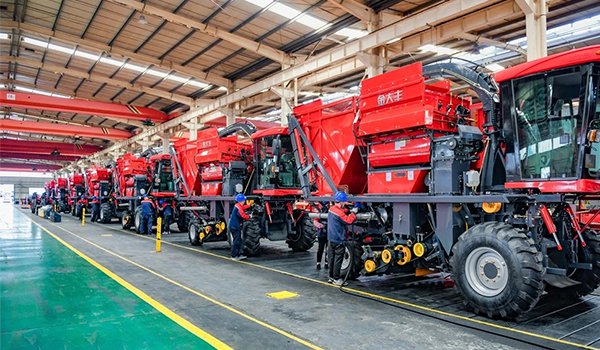
Beyond selecting the right tractor, working with a reliable supplier ensures stable quality and long-term support. A professional manufacturer provides consistent production, spare parts availability, and customization options.
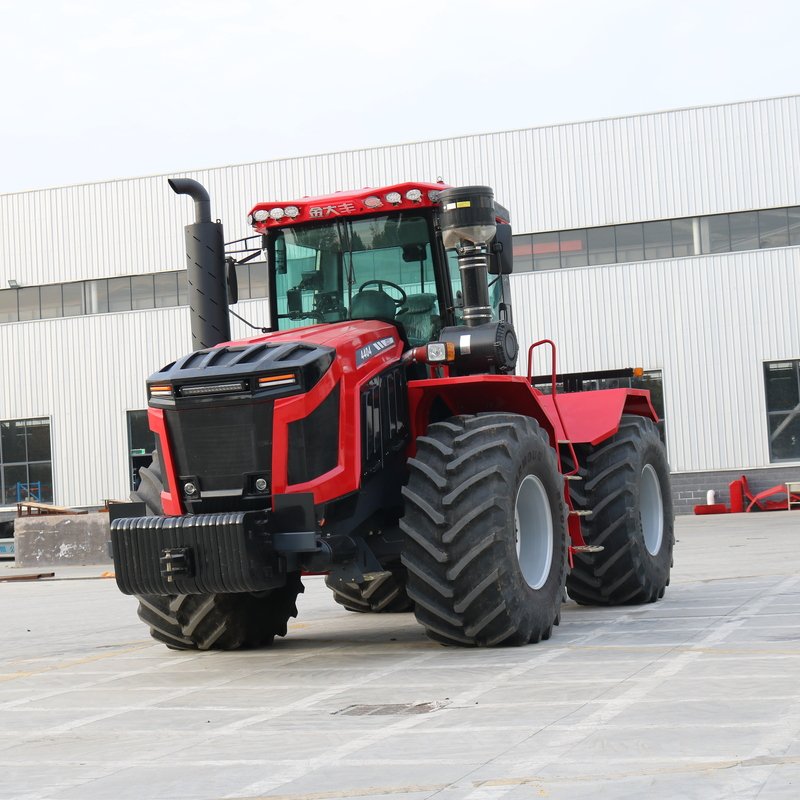
For example, King-Gold Dafeng supplies compact and medium power tractors designed for different farming environments. By focusing on practical performance and durability, we help farmers and distributors find solutions that match their real needs.
In many markets, buyers prefer working with manufacturers who can adjust configurations based on local conditions. This flexibility allows small farm operators to improve efficiency while maintaining cost control.
Final Thoughts: Small Farm, Smart Choice
Choosing the best tractor for small farm operations requires a clear understanding of your working conditions and long-term goals. Instead of focusing only on price or size, you should evaluate performance, efficiency, and adaptability.
A well-matched agricultural tractor will not only improve daily operations but also support long-term farm development. Making the right choice from the beginning helps reduce costs and increase productivity over time.