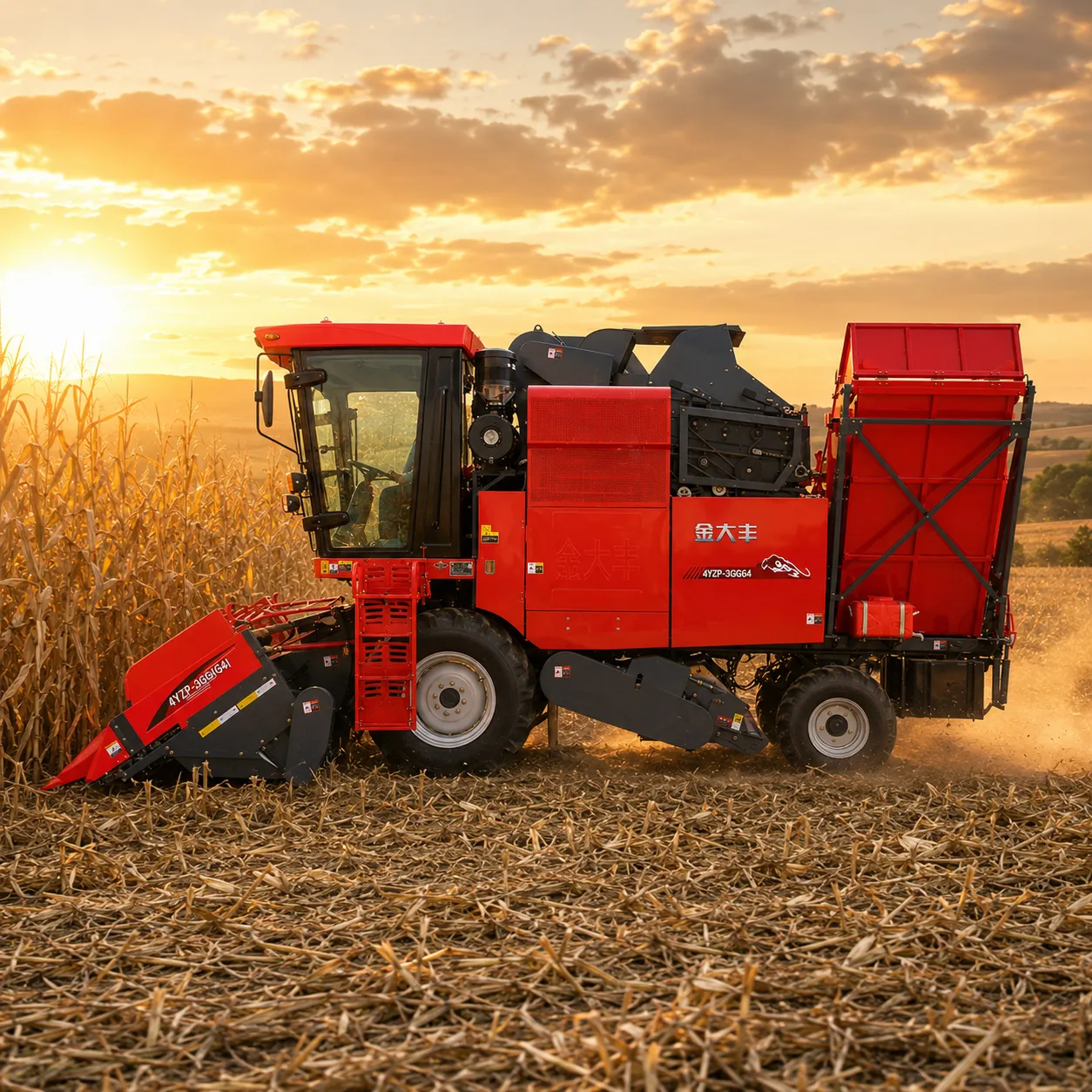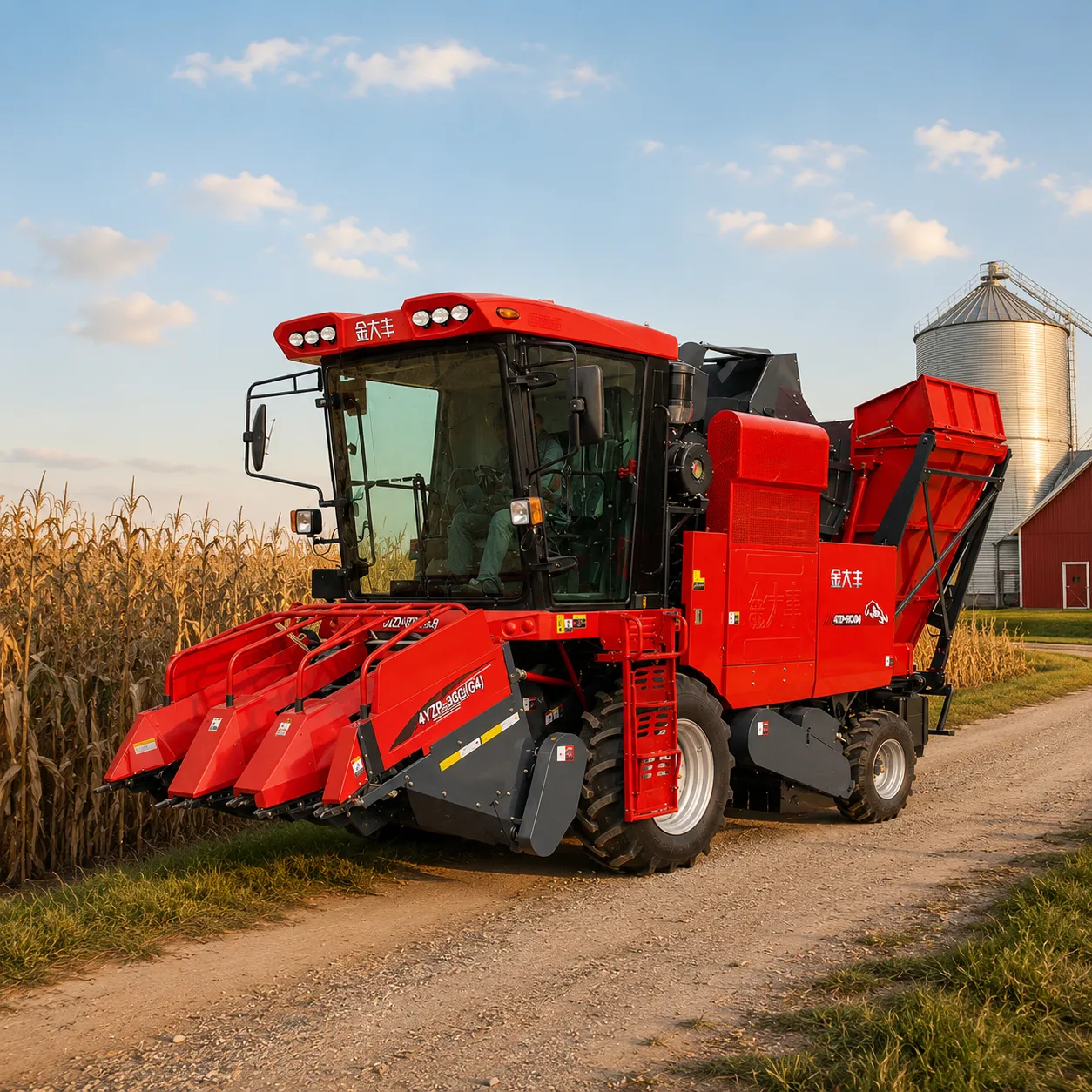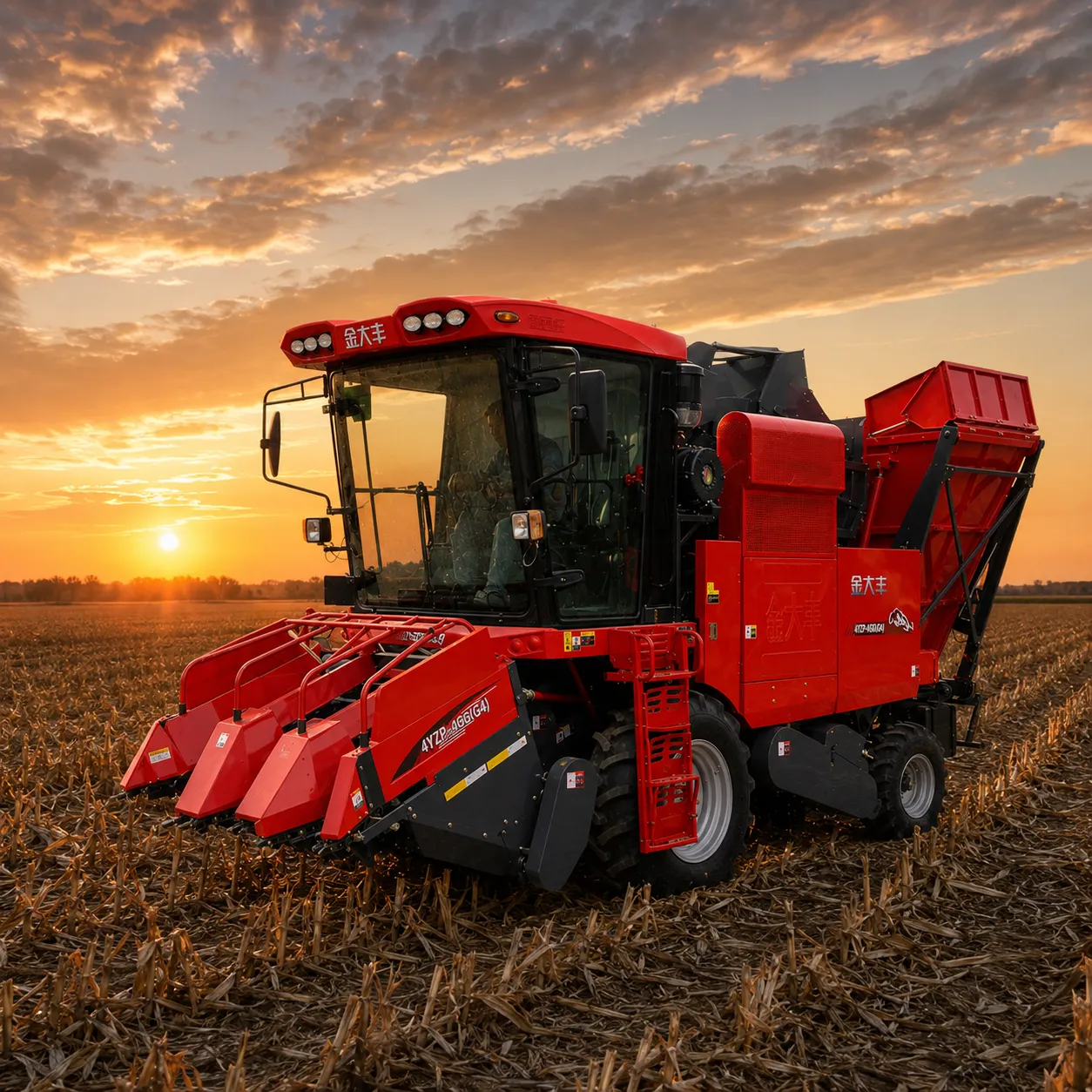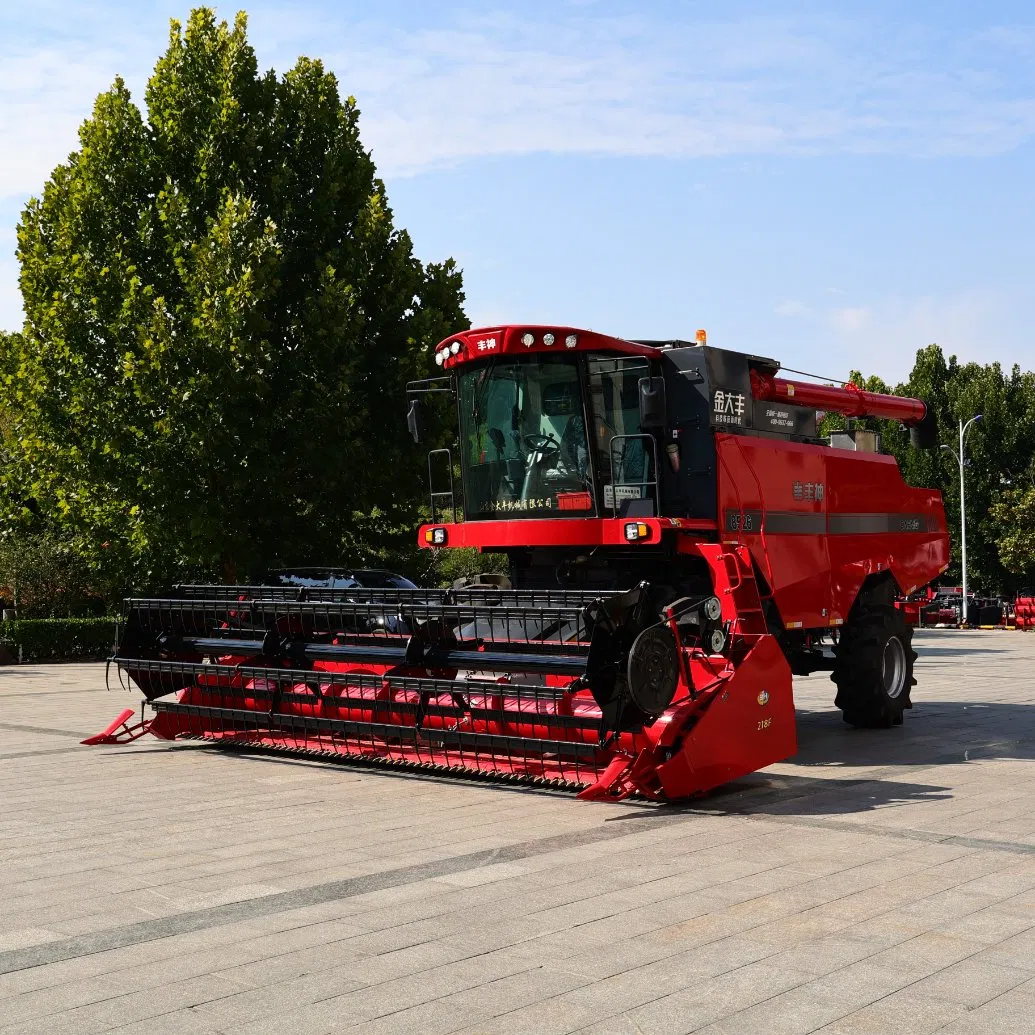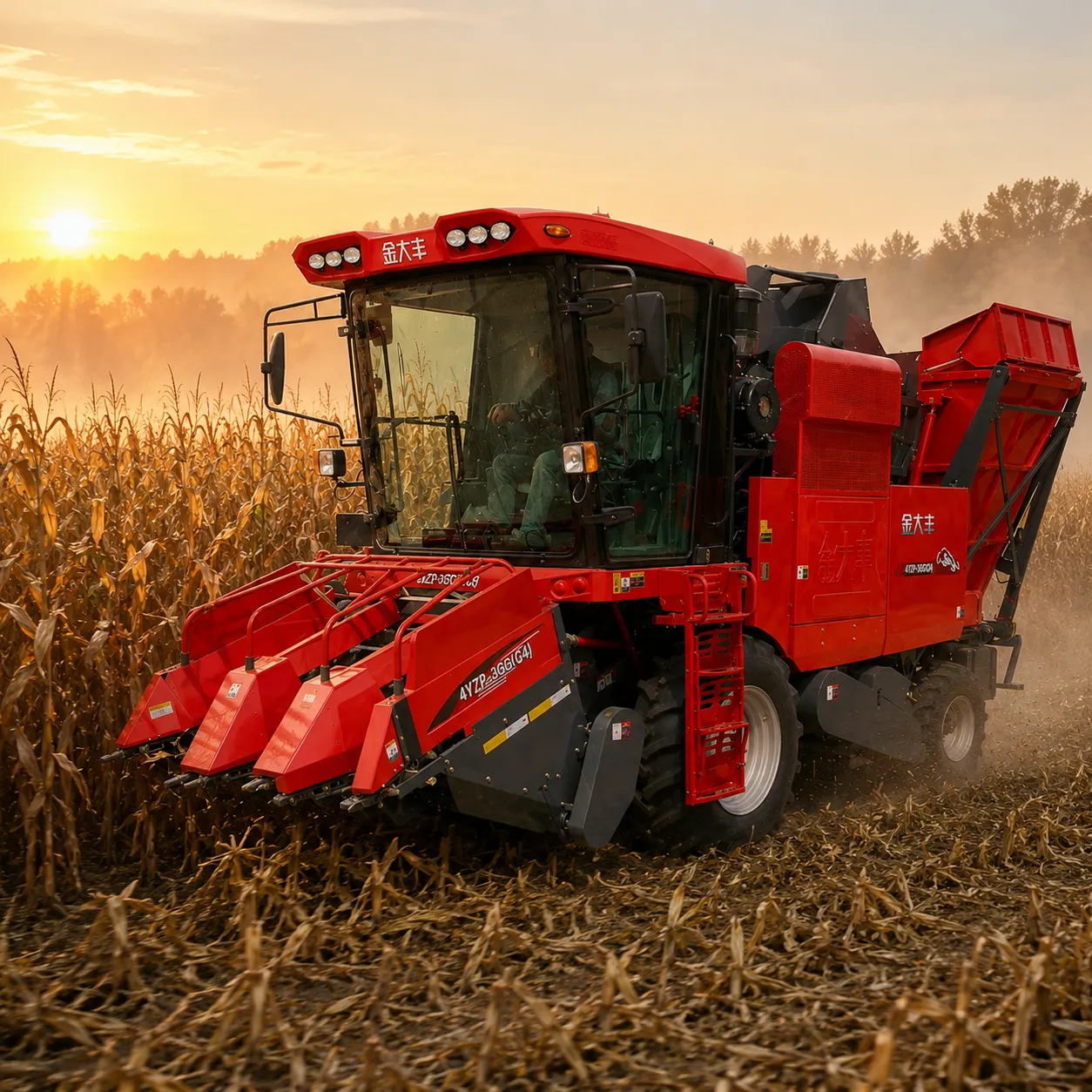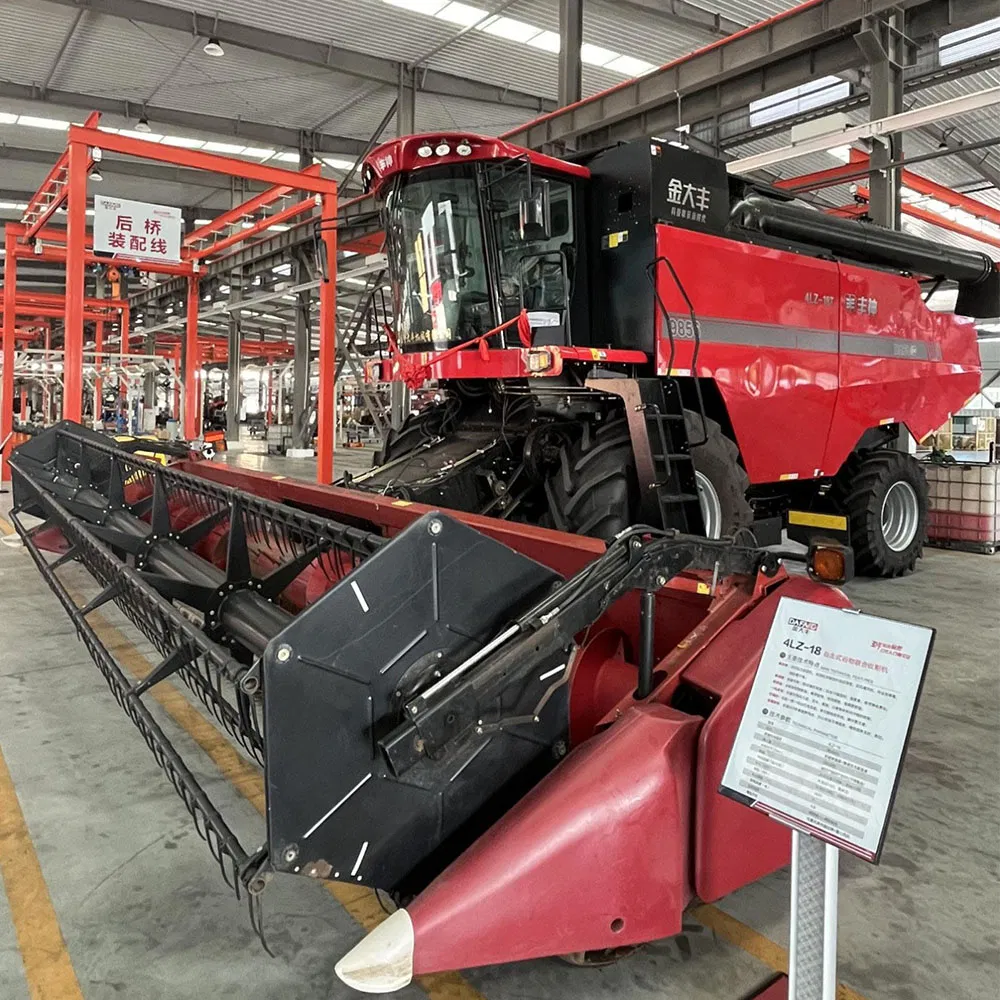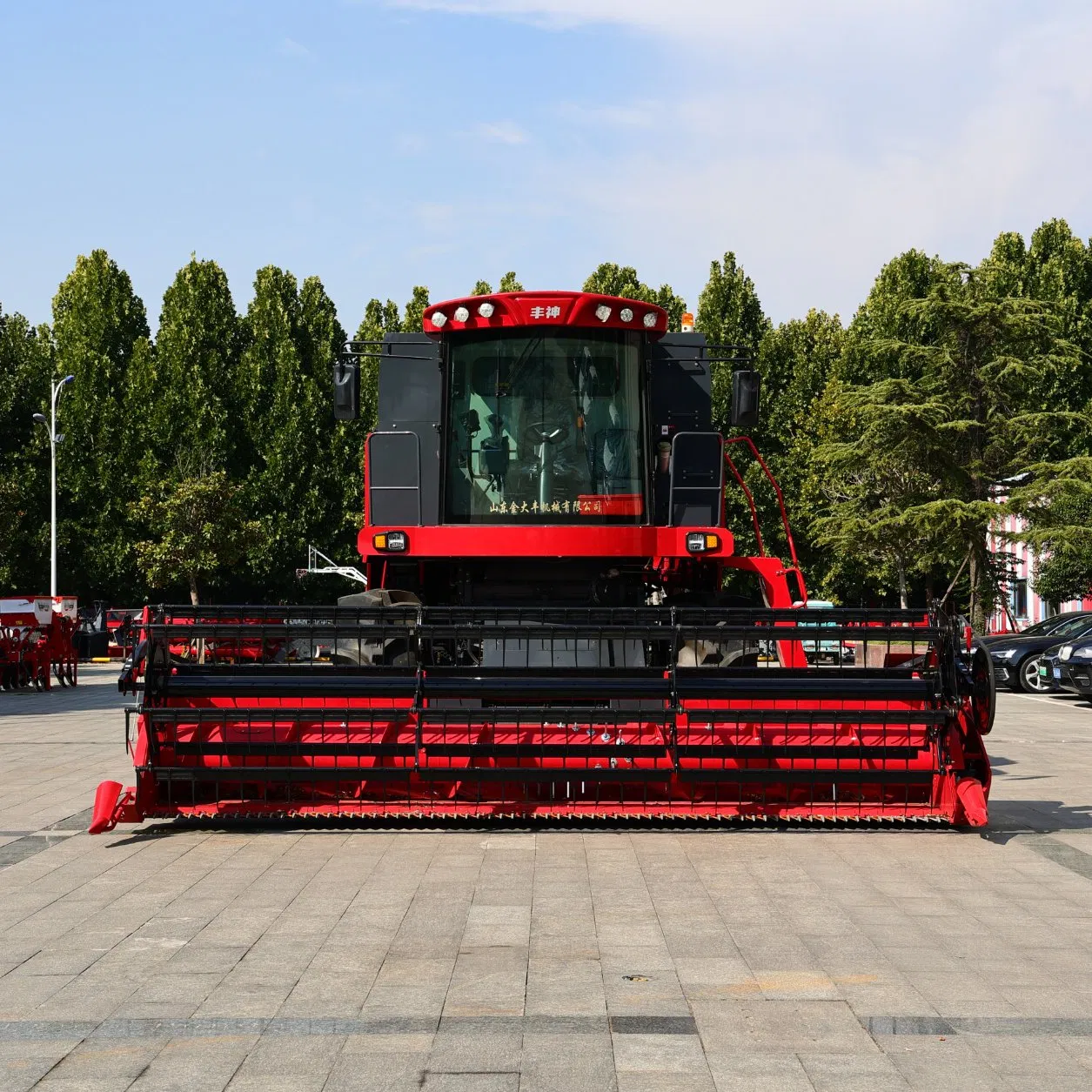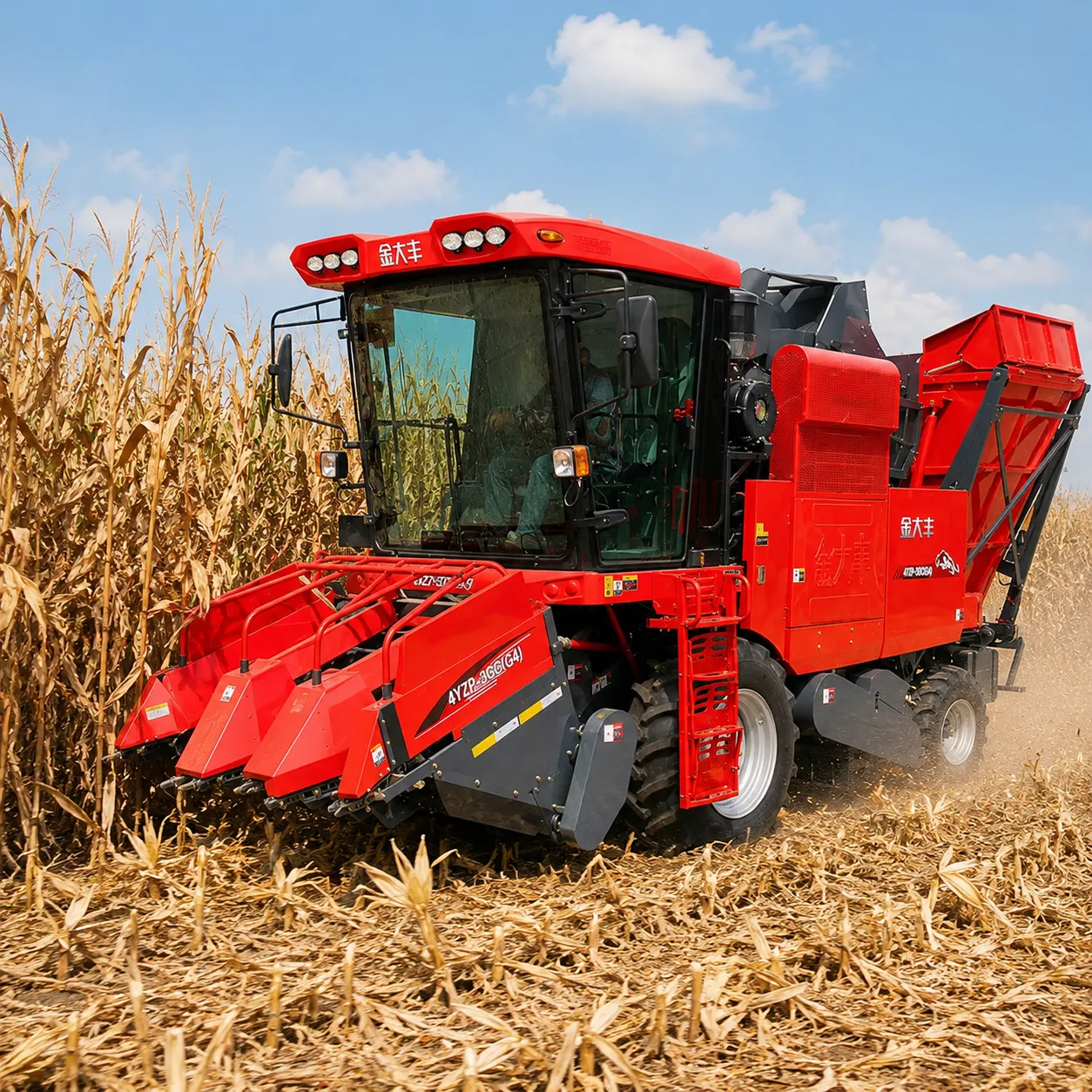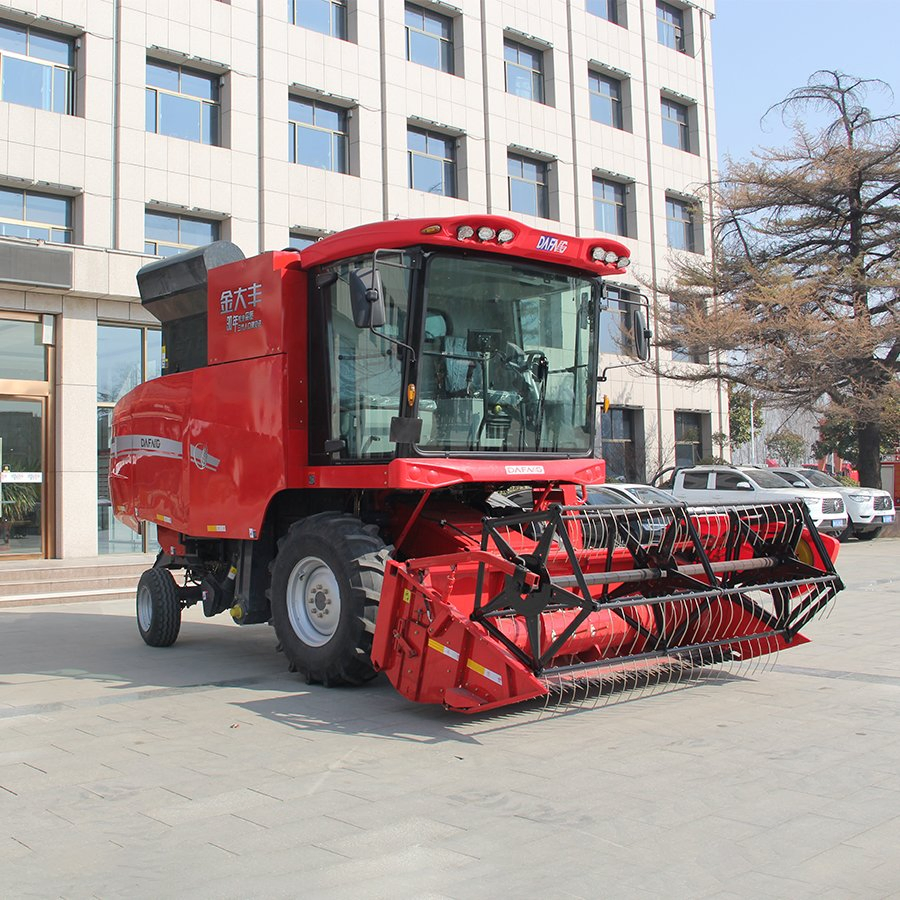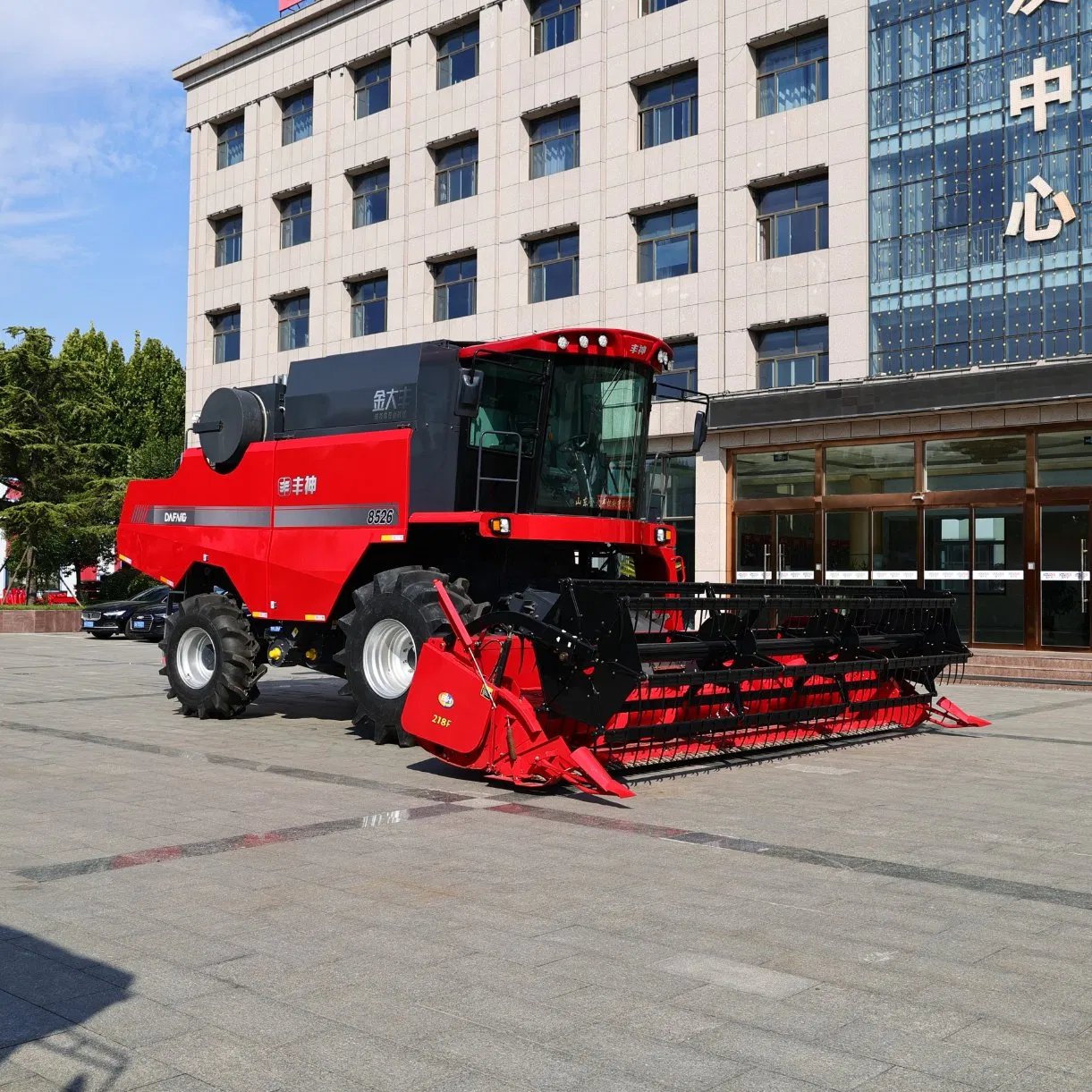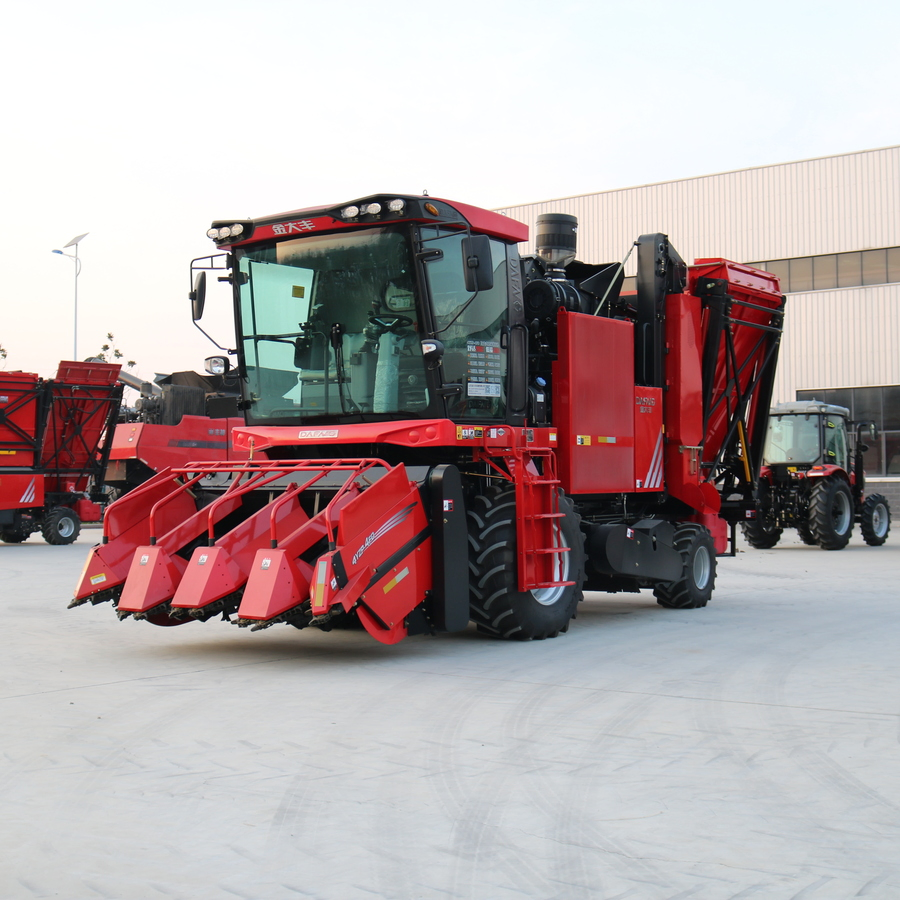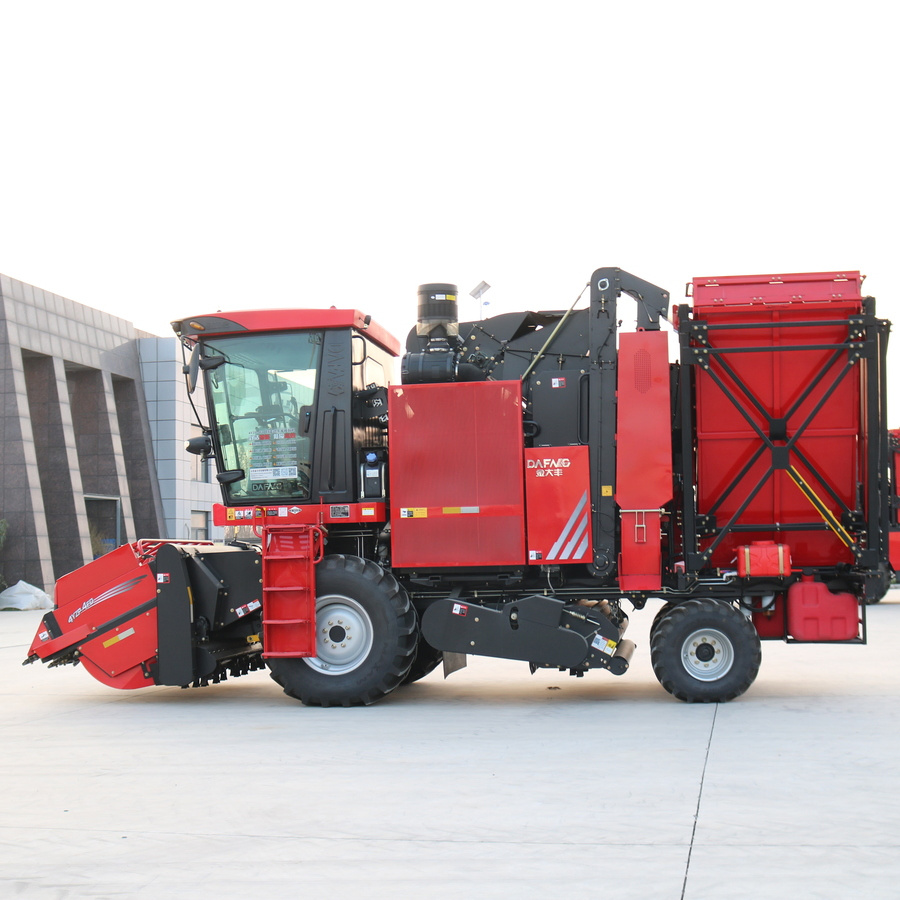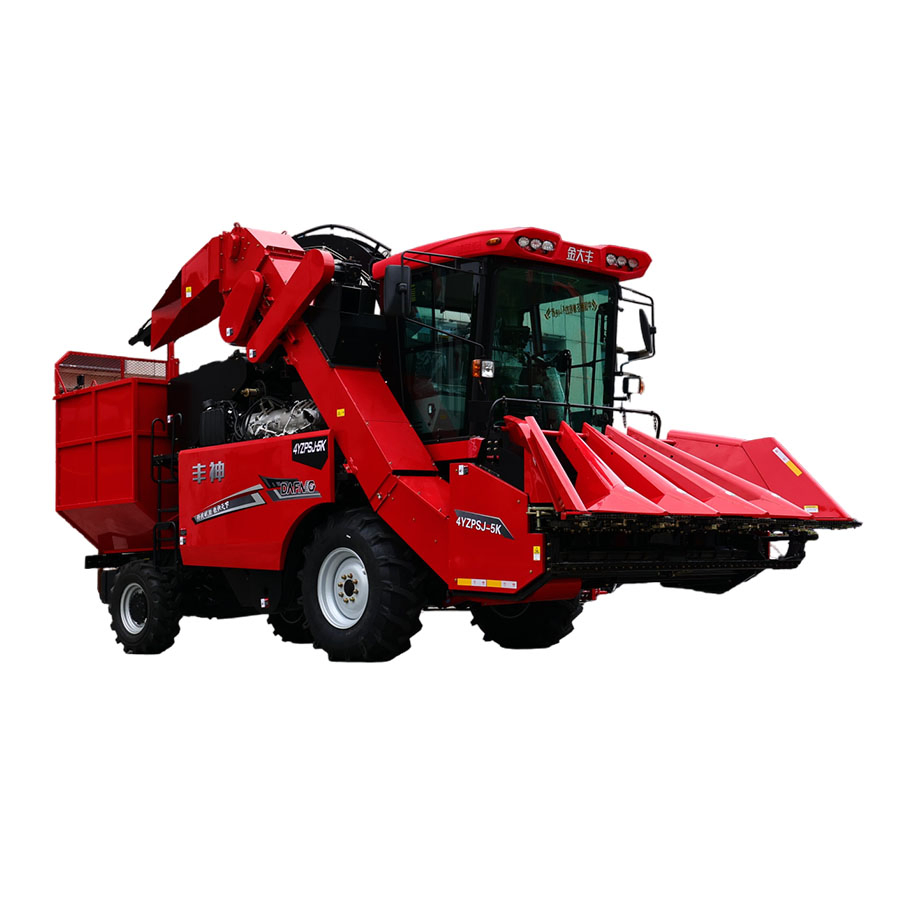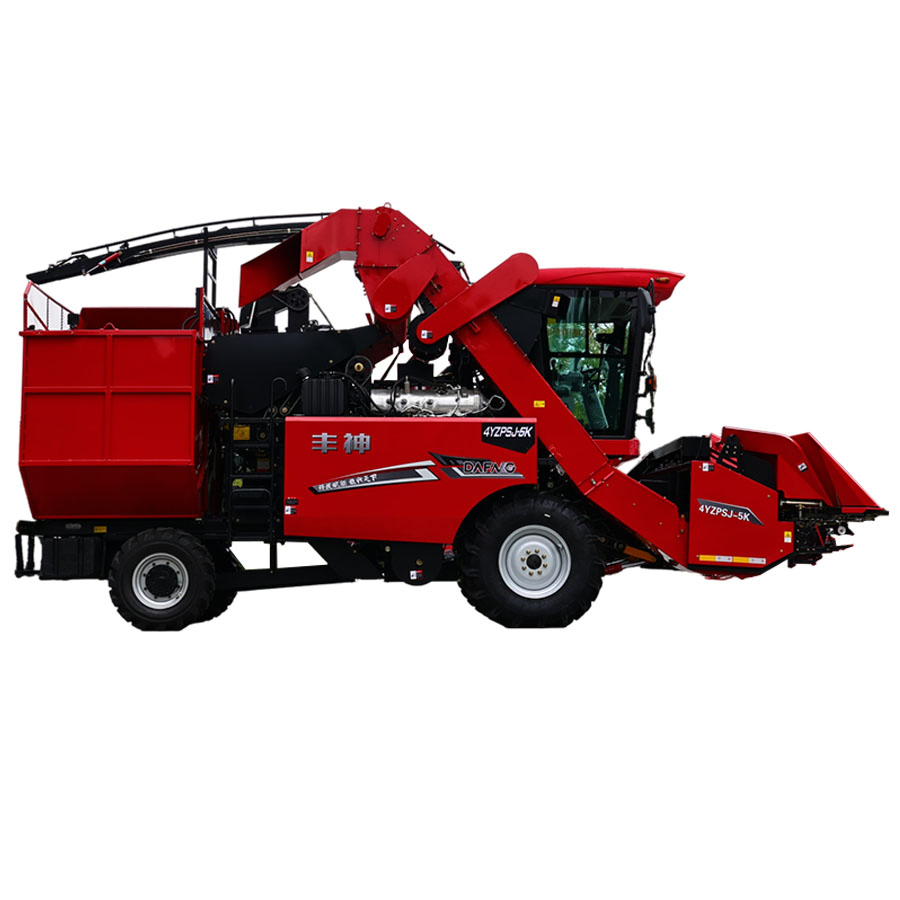
A larger grain tank allows a combine to harvest for longer before unloading, but bigger is not always better. Additional capacity increases machine weight, changes field pressure, raises the load on the unloading system, and may provide little benefit when grain trailers are poorly organized.
The right combine harvester grain tank capacity depends on crop yield, header width, field size, unloading speed, transport support, soil condition, and the amount of time the machine should operate between unloading cycles.
Farmers, harvesting contractors, dealers, and importers should therefore evaluate the grain tank as part of the complete harvesting system. The tank must work together with the header, threshing system, cleaning shoe, unloading auger, trailers, and field logistics.
Why Grain Tank Capacity Matters in Real Harvesting
Every time a combine stops to unload, part of the working day is lost. The machine may also need to travel to the field edge, wait for a trailer, reposition, and return to the harvesting pass.
A larger tank can reduce how often these interruptions occur. This may improve productivity when:
- Crop yield is high
- The header collects a large volume of crop
- Fields are long and wide
- Grain carts can unload alongside the combine
- The unloading auger has sufficient capacity
- Transport vehicles are available at the correct time
However, the tank itself does not increase threshing or cleaning capacity. It only stores the grain already processed by the machine.
Key principle: Grain tank capacity improves harvesting efficiency only when the combine can fill and empty the tank without creating delays elsewhere in the operation.
A machine with a large tank but a slow unloading system may still lose significant time. A smaller combine with well-organized trailers may achieve better daily output than a larger machine that repeatedly waits.
Start with Crop Yield and Grain Flow
Crop yield determines how quickly the grain tank fills. A combine working in a high-yield wheat, corn, or rice field may fill the same tank much faster than it would in a light crop.
High-yield crops fill the tank faster
When grain yield increases, the volume entering the clean-grain elevator also rises. The operator may need to unload more frequently even if travel speed remains unchanged.
Factors that influence filling time include:
- Yield per hectare
- Header cutting width
- Forward speed
- Crop type
- Grain density
- Field conditions
- Machine processing capacity
Header width changes grain intake
A wider header collects more crop during each pass. If the combine has enough threshing and cleaning capacity, this can increase grain flow into the tank.
This is why combine harvester grain tank capacity should be considered together with cutting width. A large header connected to a small tank may create frequent unloading cycles, while an oversized tank on a compact combine may add unnecessary weight.
| Harvest Condition | Tank Filling Pattern | Capacity Consideration |
|---|---|---|
| Light-yield crop | Tank fills slowly | Moderate capacity may be sufficient |
| High-yield wheat or corn | Tank fills quickly | Larger tank and fast unloading become more useful |
| Wide header | Higher potential grain intake | Tank should match machine throughput |
| Small irregular fields | More turning and shorter passes | Very large tank may provide limited advantage |
| Wet or muddy rice field | Machine movement may be limited | Lower weight may be more important than maximum tank size |
Estimate How Long the Combine Should Harvest Before Unloading
Instead of choosing tank volume from a catalogue, estimate how long the machine should operate between unloading cycles.
Ask three practical questions:
- How quickly will the machine fill the tank in the main crop?
- Can a trailer or grain cart reach the combine before the tank is full?
- Will unloading occur while harvesting or only after stopping?
Example: If a combine fills its tank every 15 minutes but the nearest trailer needs 25 minutes to return, increasing tank capacity may reduce waiting time. However, adding another trailer could solve the same problem without increasing machine weight.
Stopping to unload
Some farms unload only when the combine reaches the field edge. In this system, the tank should hold enough grain to complete a practical pass without stopping in the middle of the field.
Field length therefore matters. A tank that works well in short plots may be too small for long commercial fields.
Unloading while harvesting
When a grain cart travels beside the combine, the machine can continue cutting while grain is transferred. This reduces the need for an extremely large tank, provided the unloading auger is fast and reliable.
Continuous unloading requires:
- Experienced operators
- Clear communication
- Suitable field conditions
- A grain cart that matches combine output
- Enough transport vehicles
- Safe travel speed
In this system, unloading capacity may be more important than maximum tank volume.
Tank Size and Unloading Speed Must Be Matched
A large tank is only useful when the machine can empty it quickly. Slow unloading creates longer interruptions and may prevent the combine from returning to work before the next trailer is ready.
Important unloading specifications include:
- Auger discharge rate
- Auger reach
- Unloading height
- Auger folding system
- Drive reliability
- Tank cleanout design
- Compatibility with local trailers
Auger reach affects field operation
The unloading auger must reach safely over the grain cart or trailer. This becomes especially important when the combine uses a wide header.
If the auger is too short, the trailer may need to travel too close to the header or combine body, increasing the risk of contact.
Discharge rate affects idle time
Two combines may have the same grain tank volume but require different unloading times. The machine with the faster unloading system can return to harvesting sooner.
Buyers comparing combine harvester grain tank capacity should therefore review both tank volume and unloading rate rather than judging the tank as a separate specification.
| Tank Situation | Possible Result | Better Solution |
|---|---|---|
| Large tank with slow auger | Long unloading stops | Evaluate discharge capacity |
| Small tank with fast auger | Frequent but short unloading cycles | Improve trailer timing or consider larger tank |
| Large tank without enough trailers | Combine still waits after filling | Add transport support |
| Balanced tank and auger | Stable harvesting workflow | Maintain good field coordination |
More Capacity Also Means More Weight
Grain is heavy. As the tank fills, the combine becomes heavier, which affects soil pressure, traction, stability, fuel use, and axle loading.
Soft and muddy fields
In wet rice fields or soft soil, a very large grain tank may increase the risk of:
- Machine sinking
- Deep wheel or track marks
- Higher soil compaction
- Reduced steering control
- Greater power demand
- Difficulty crossing field ridges
A smaller tracked combine may use a more moderate tank because mobility is a higher priority than maximum storage capacity.
Sloping fields
A full tank raises the total machine weight and may affect stability on slopes. Grain can also shift inside the tank when the combine changes direction.
Buyers operating on hilly land should consider:
- Machine centre of gravity
- Axle and tire capacity
- Track width
- Brake performance
- Manufacturer slope recommendations
- Safe partial-load operation
Do not choose tank size by volume alone: The machine must safely carry the grain under local soil, terrain, and transport conditions.
Different Farms Need Different Grain Tank Priorities
There is no universal tank capacity that suits every combine or farm. The best choice changes according to field layout, crop volume, and unloading organization.
| Operating Scenario | Main Priority | Grain Tank Direction |
|---|---|---|
| Small fragmented farm | Compact dimensions and maneuverability | Small or moderate tank |
| Large commercial grain farm | Long harvesting passes and high output | Larger tank with fast unloading |
| High-yield wheat or corn | Frequent grain flow | Higher capacity and strong transport support |
| Wet rice field | Low ground pressure and mobility | Balanced tank size rather than maximum capacity |
| Harvesting contractor | Flexibility across different farms | Medium or large tank with rapid unloading |
| Farm without grain carts | Completing long passes before unloading | Tank sized for field length and trailer location |
Small and medium farms
A very large tank may not be necessary when fields are small and trailers can remain close to the combine. Compact dimensions, lower weight, and easier turning may provide more value.
Large commercial farms
Larger fields and wider headers usually create stronger demand for grain storage and unloading capacity. The machine may need to harvest for long periods without leaving the crop row.
Contract harvesting
Contractors may work in high-yield and low-yield fields during the same season. A balanced tank with a fast unloading auger can provide more flexibility than maximum volume alone.
Contractors should also consider whether customer farms have enough trailers to support the combine’s output.
Use the Whole Harvesting System to Make the Decision
The combine, grain cart, trailers, trucks, and storage facility form one connected system. Increasing capacity in only one part may not improve total productivity.
Before ordering a machine, collect the following information:
- Main crops
- Expected yield per hectare
- Header type and cutting width
- Average field size and length
- Required hectares per day
- Number and size of trailers
- Distance to storage or road trucks
- Whether unloading will occur while harvesting
- Soil and terrain conditions
- Maximum acceptable machine weight
Then compare the following machine specifications:
- Grain tank volume
- Unloading rate
- Auger length and height
- Machine weight with a full tank
- Axle or track capacity
- Header width
- Expected crop throughput
- Access for tank cleaning and maintenance
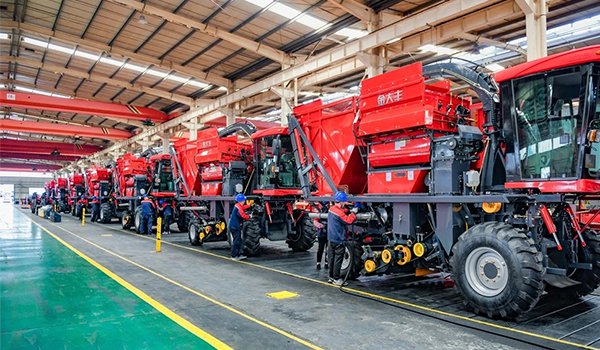
King-Gold Dafeng provides grain harvesting machinery for wheat, rice, corn, soybeans, and mixed-crop operations. Buyers can compare our combine harvester grain tank capacity options together with cutting width, unloading configuration, field mobility, and harvesting capacity.
Choose Capacity That Reduces Delays Without Creating New Problems
The right grain tank should allow the combine to complete practical harvesting passes, coordinate efficiently with trailers, and avoid unnecessary waiting.
A tank that is too small may require frequent unloading and reduce daily output. A tank that is too large may add weight, increase soil pressure, and provide little benefit when the unloading and transport systems cannot keep up.
The best decision balances crop yield, machine throughput, field length, unloading speed, soil condition, and transport support. Tank capacity should support the harvesting workflow rather than become an isolated specification.
A well-matched combine harvester grain tank capacity helps the machine spend more time collecting grain and less time waiting, travelling, or unloading.
For different grain crops and field conditions, review the available combine harvester grain tank capacity and machine configurations from King-Gold Dafeng.