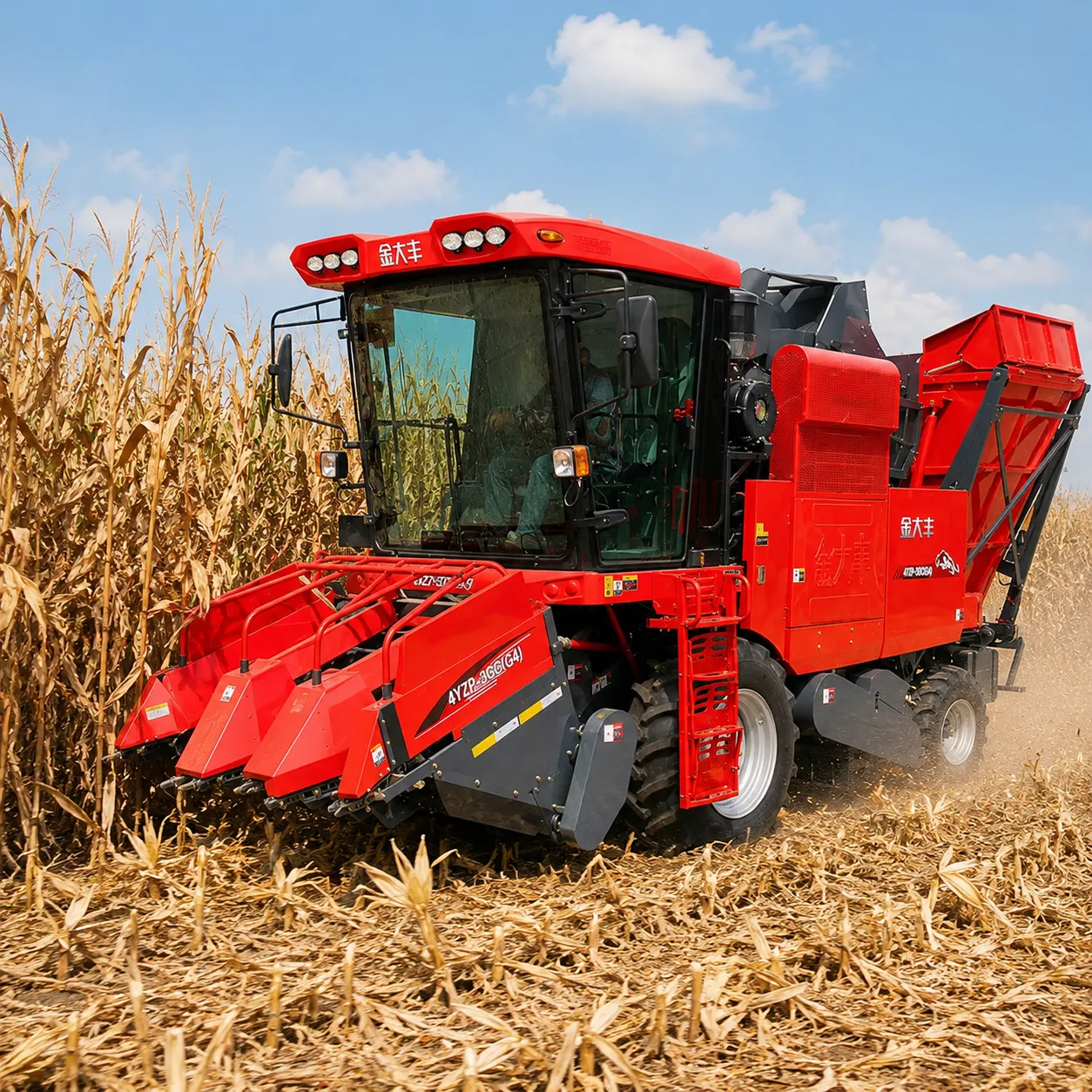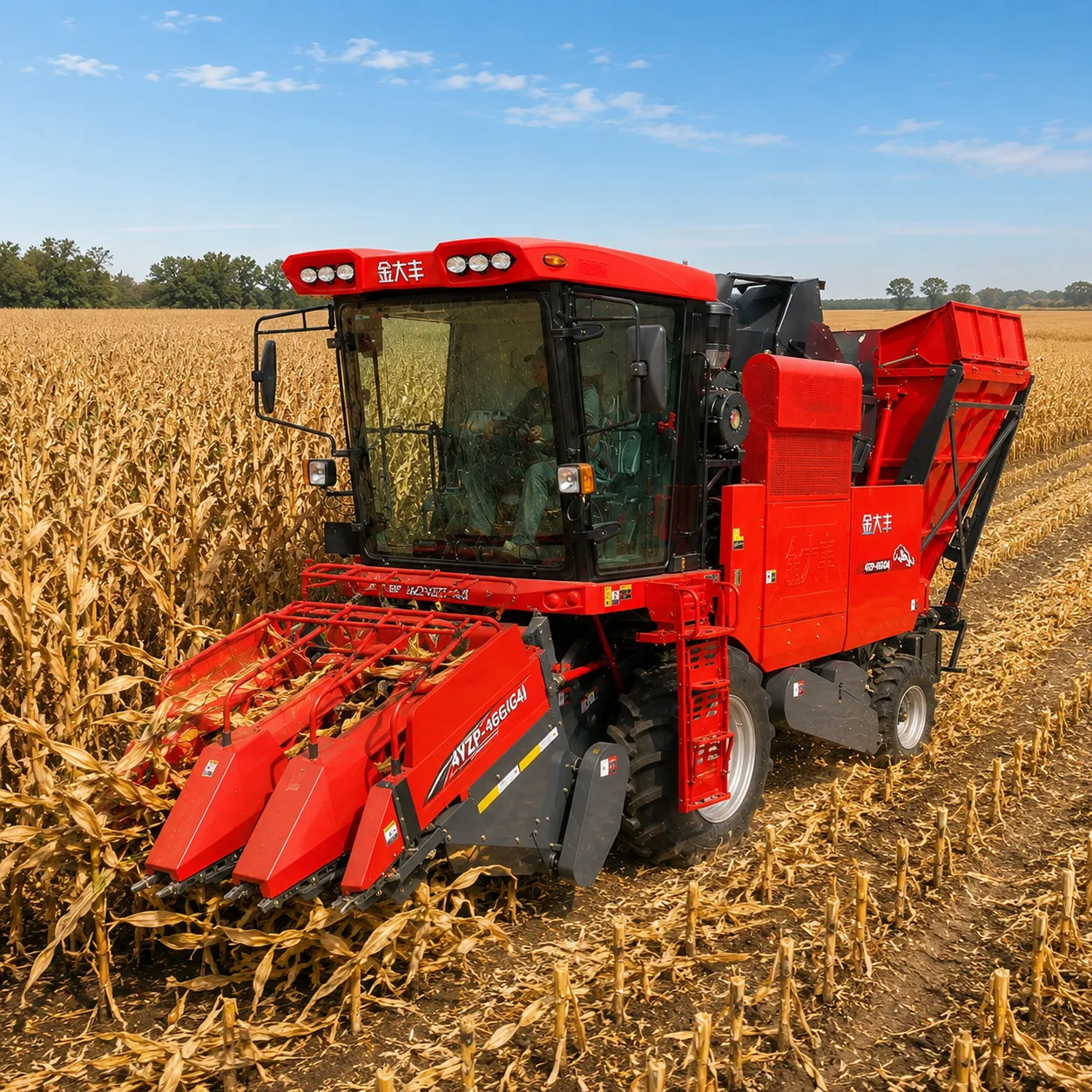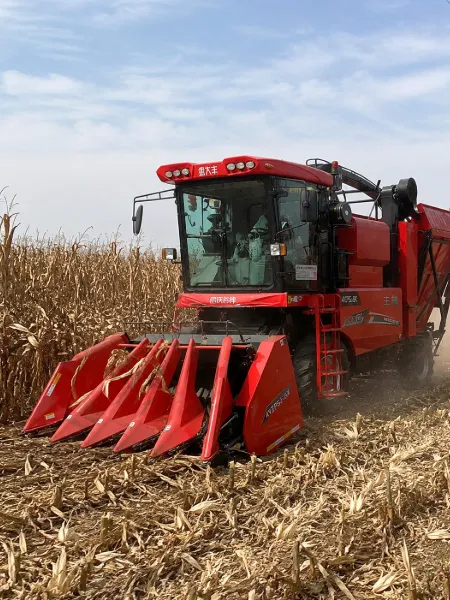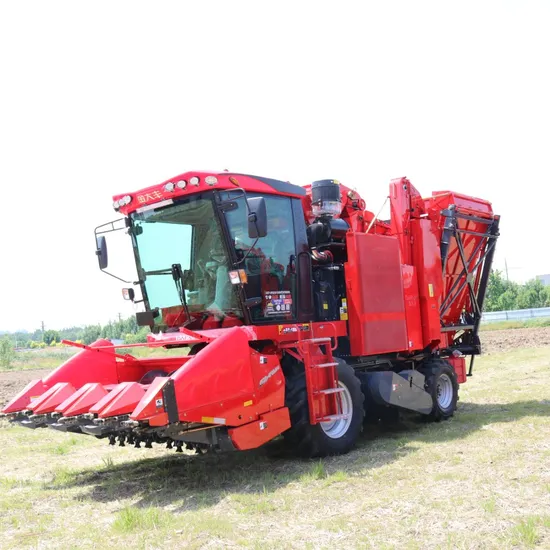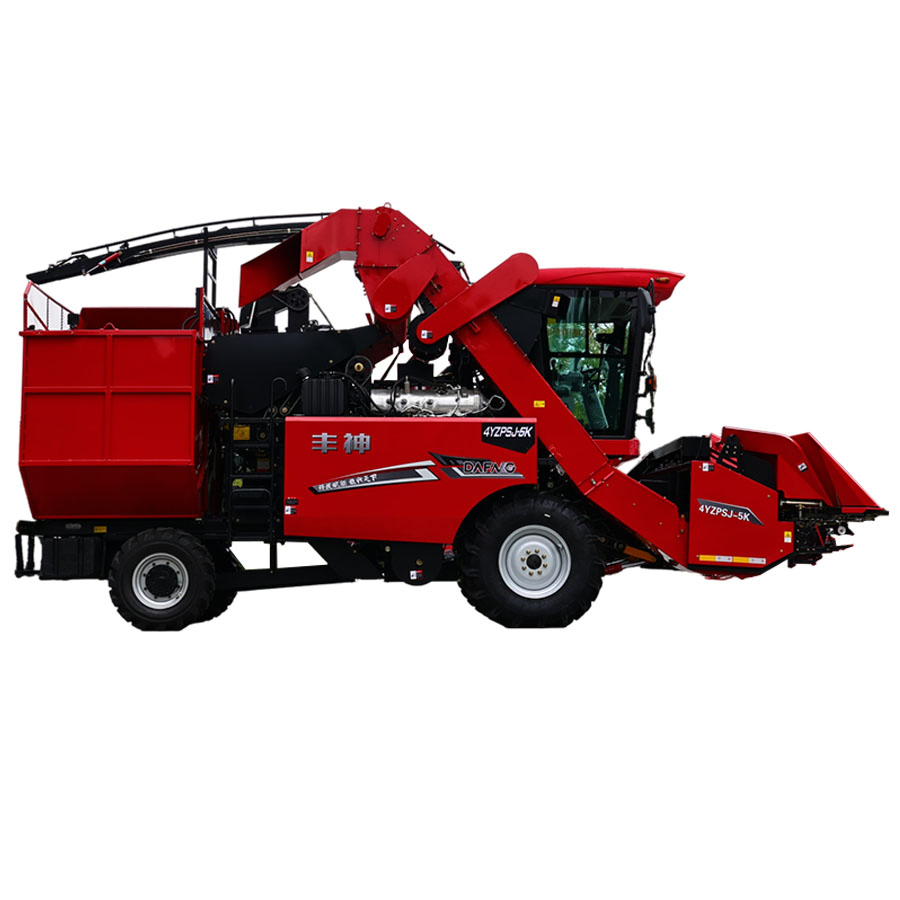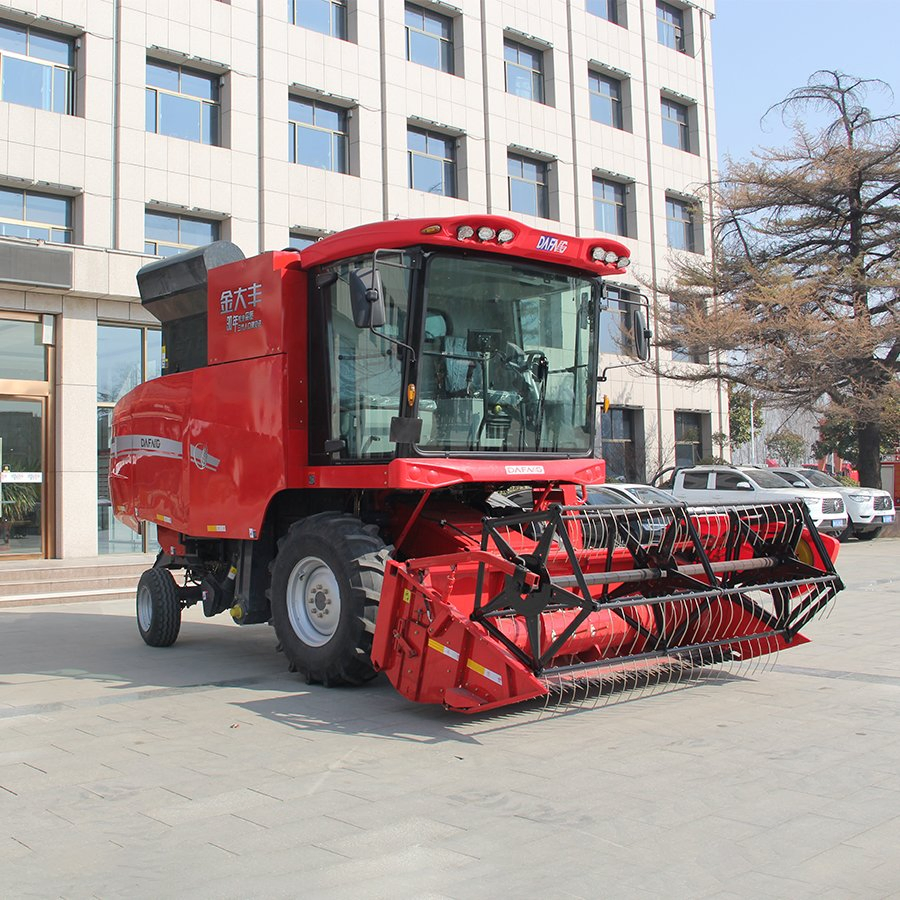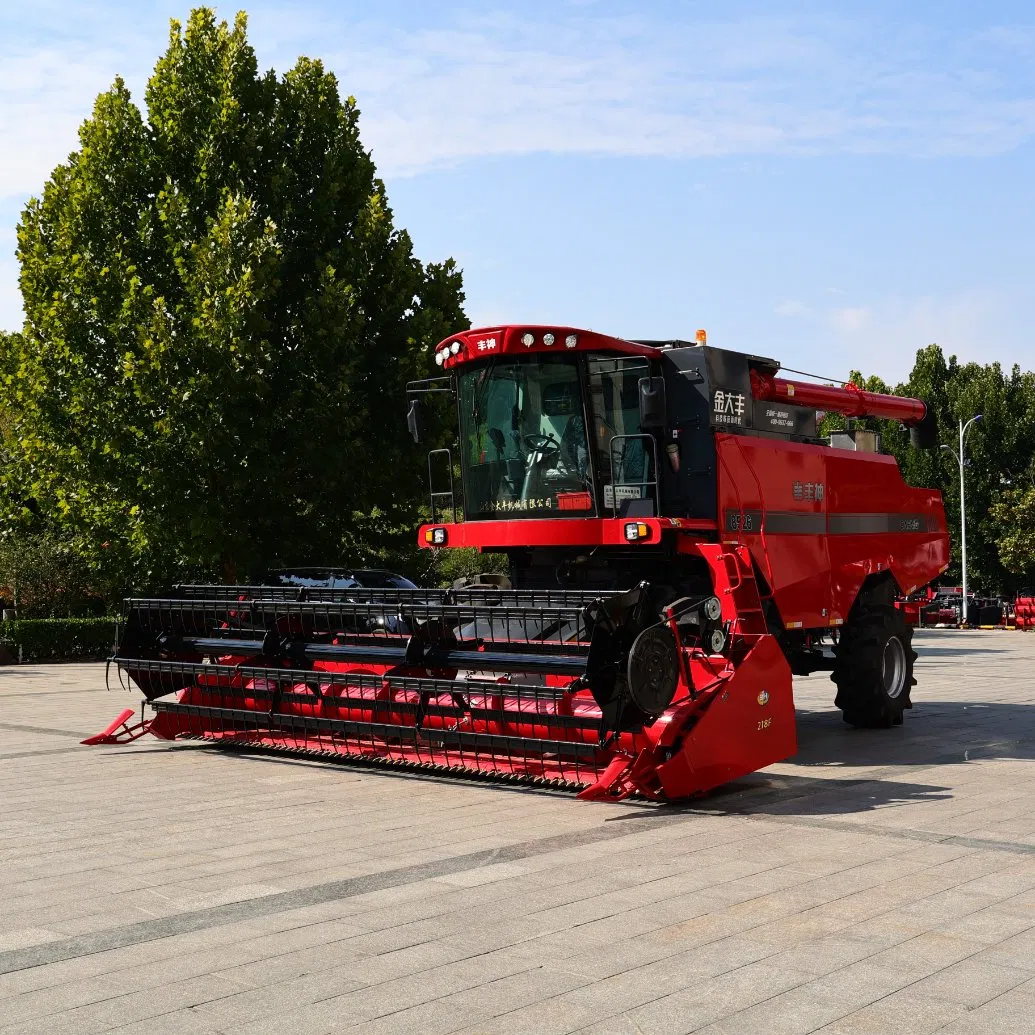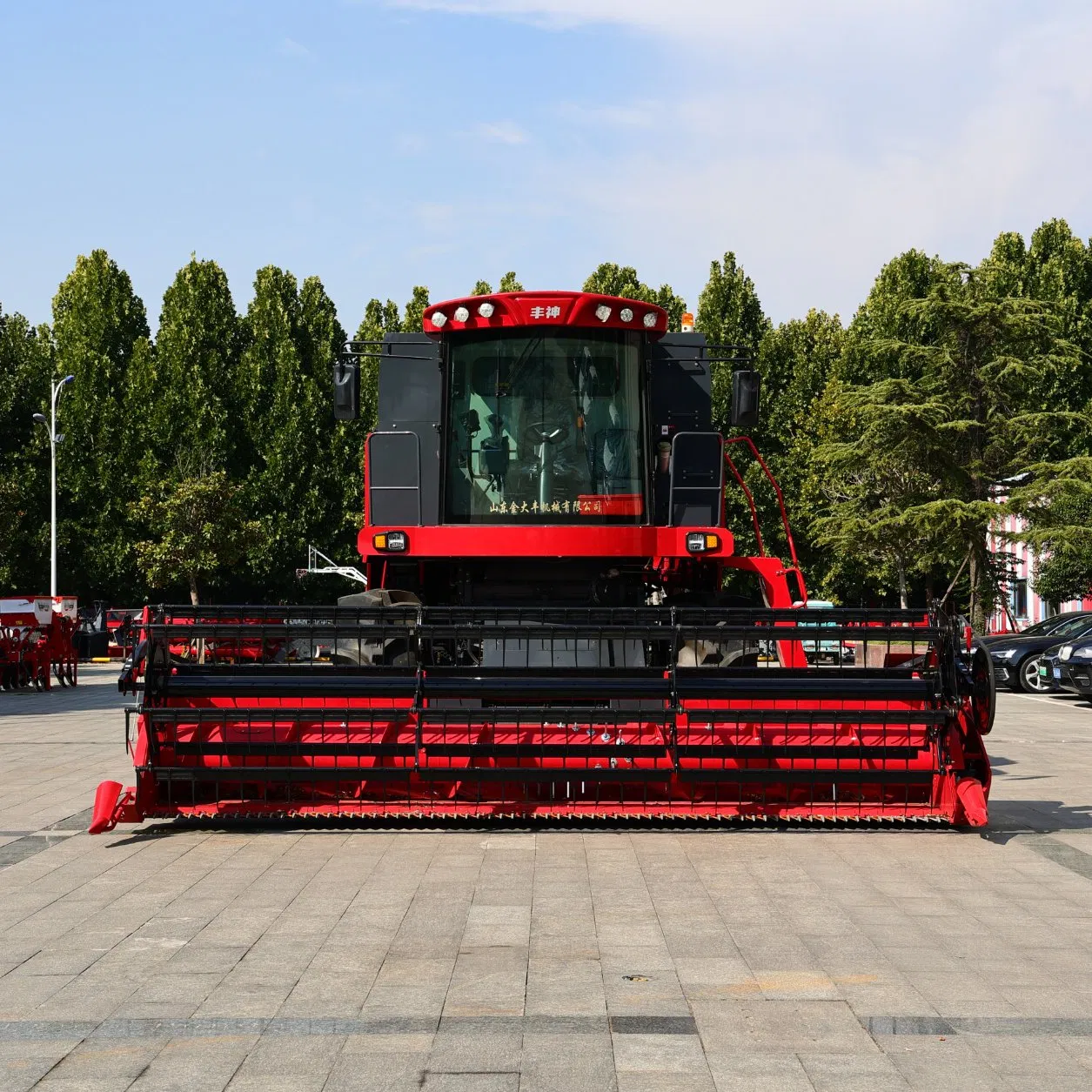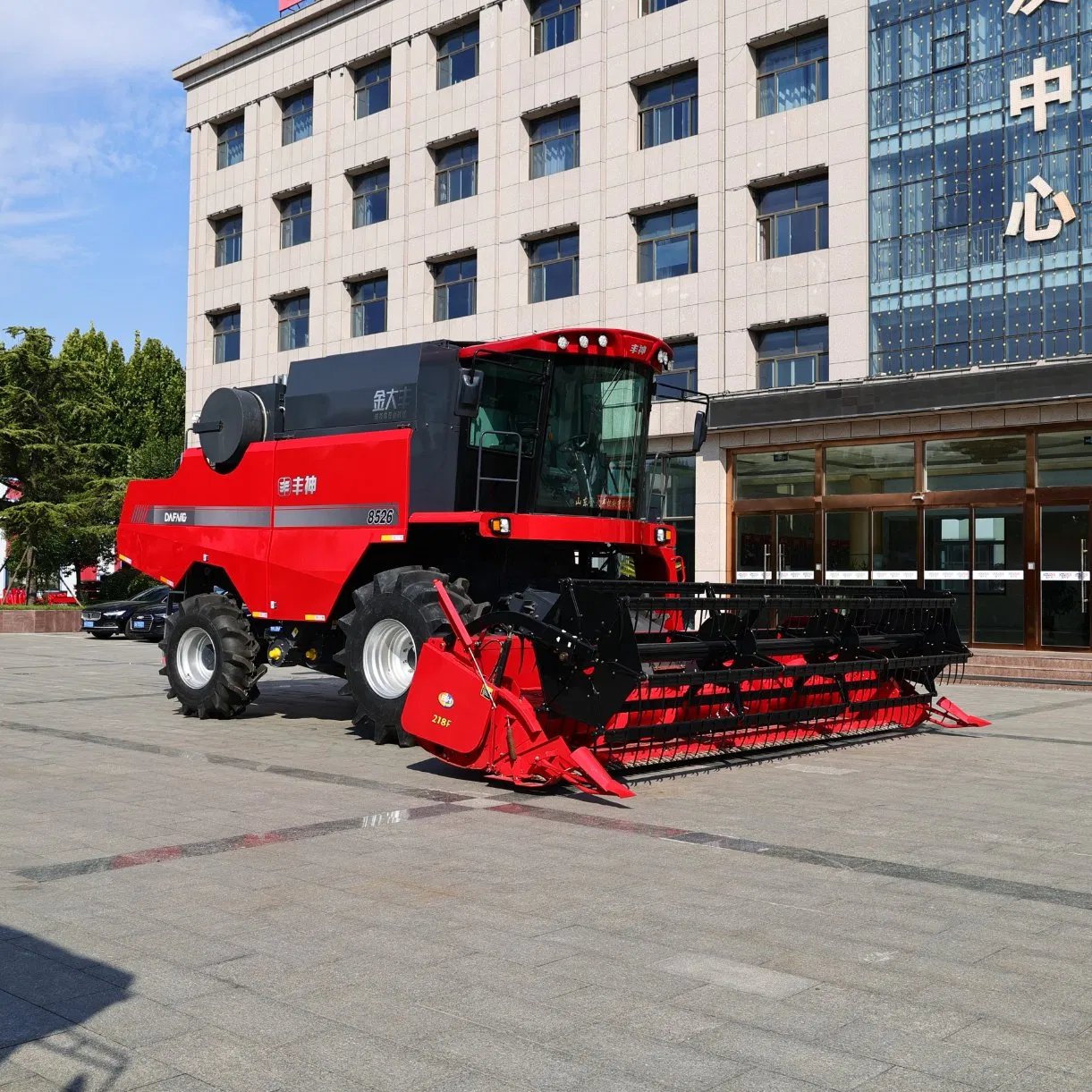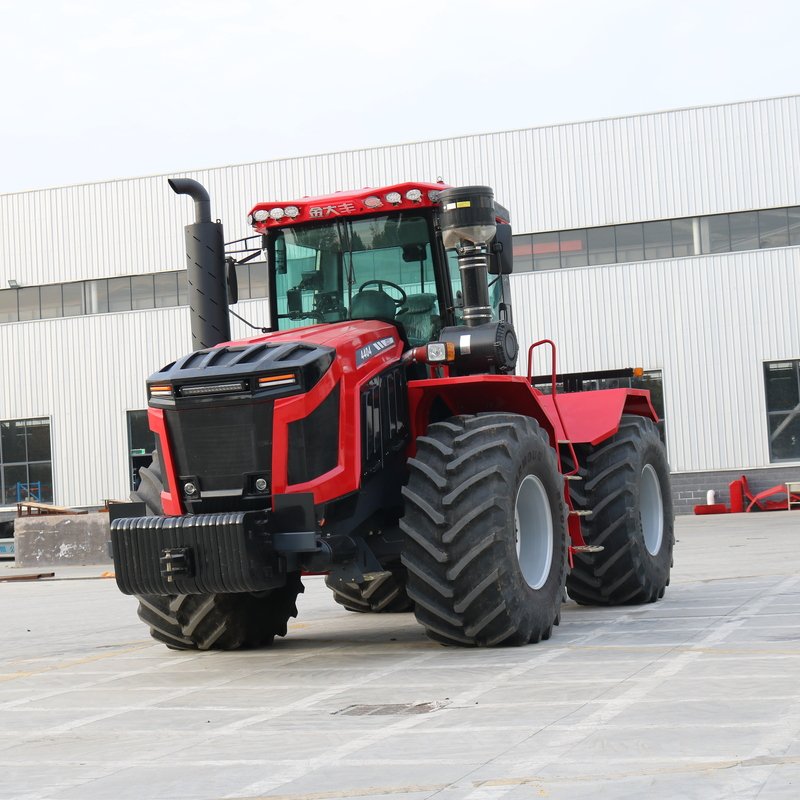
A wider header can harvest more crop in each pass, but it does not automatically mean the combine will complete more hectares per day. When the header is too wide for the machine, crop conditions, or field layout, the operator may need to reduce speed, deal with uneven feeding, or accept higher grain loss.
The correct combine harvester cutting width should match the combine’s processing capacity, the size and shape of the fields, crop yield, terrain, transport conditions, and the available harvesting window.
For farmers, contractors, dealers, and importers, the goal is not to choose the widest possible header. It is to choose a working width that the machine can use consistently without overloading the feeder, threshing system, separator, cleaning shoe, or grain transport system.
Cutting Width Changes More Than Field Coverage
Cutting width determines how much standing crop enters the header during each pass. Increasing the width can reduce the number of passes required to harvest a field, but it also increases the crop volume entering the machine.
A wider header affects:
- Crop intake per minute
- Feeder-house load
- Threshing and separation capacity
- Cleaning-system load
- Forward speed
- Turning space
- Transport width
- Front-axle load and machine balance
This means header width cannot be evaluated separately from the rest of the combine. A machine with a wide cutting platform but limited internal processing capacity may cover a large area visually while collecting grain less efficiently.
Theoretical capacity versus effective capacity
Theoretical field capacity estimates how much area a machine could cover if it used its full width continuously at a fixed speed.
Simple metric estimate:
Theoretical field capacity in hectares per hour is approximately equal to cutting width in metres multiplied by travel speed in kilometres per hour, divided by 10.
For example, a 4-metre header travelling at 5 kilometres per hour has a theoretical field capacity of about 2 hectares per hour.
Real capacity will be lower because the combine must turn, unload, slow down in heavy crop, avoid obstacles, and make adjustments. Effective capacity therefore depends on how well the selected width works under actual field conditions.
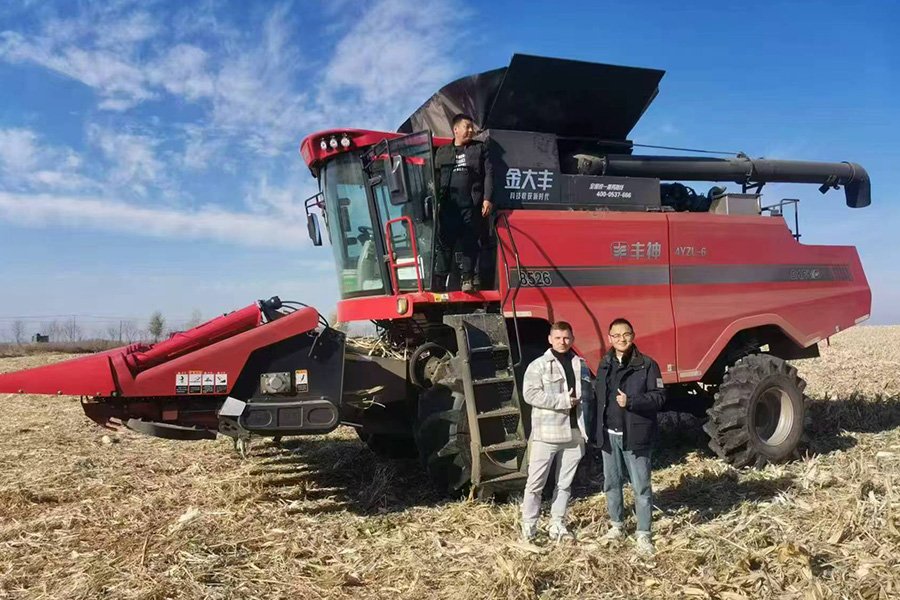
Start with Field Size and Shape
Large rectangular fields allow a combine to travel in long passes with fewer turns. These conditions make it easier to use a wider header efficiently.
Small or irregular fields create a different situation. The machine may spend more time turning, reversing, repositioning, or approaching short rows. In these conditions, a narrower header can sometimes produce higher effective productivity.
Large open fields
A wider header may be suitable when fields have:
- Long straight rows
- Wide entrances
- Firm and relatively flat ground
- Few trees, channels, or internal obstacles
- Enough space for efficient turning
- Good access for grain carts and trailers
In this scenario, the combine can maintain stable forward speed and use most of the header width during each pass.
Small and fragmented fields
A narrower combine harvester cutting width may be more practical when fields have short passes, narrow entrances, terraces, curved boundaries, or drainage channels.
A compact header can improve:
- Maneuverability
- Turning speed
- Visibility near field edges
- Movement between nearby plots
- Transport on narrow rural roads
- Control in lodged or uneven crops
Field example: A wider header may reduce the number of passes in a five-hectare field, but if the machine needs extra time to turn, align, and avoid field boundaries, a medium-width header may still finish the work faster.
Match Header Width to the Combine’s Processing Capacity
The combine must be able to process all the crop collected by the header. This includes feeding, threshing, separation, cleaning, grain collection, and residue discharge.
When header width increases, the crop intake rate also increases unless the operator reduces forward speed.
The feeder is the first possible bottleneck
A wide header can deliver a large crop mat toward the feeder house. If material arrives unevenly, the feeder may become overloaded or blocked.
Warning signs include:
- Repeated changes in engine load
- Uneven feeding sounds
- Crop bunching near the header auger
- Feeder-chain overload
- Frequent plugging
- Reduced forward speed
Threshing and separation must handle the volume
Even when the feeder accepts the crop, the threshing and separation systems may become the next limitation.
If too much material enters the machine, grain may remain inside heads or become trapped in discharged straw. The operator may need to slow down, reducing the expected benefit of the wider header.
The cleaning shoe also has a capacity limit
A larger crop flow sends more grain, chaff, and broken plant material onto the cleaning shoe. If the sieves become overloaded, good grain may leave the rear of the machine or the grain tank sample may contain excessive impurities.
Buyers comparing combine harvester cutting width should therefore confirm that the feeder, threshing system, separator, fan, and sieves are designed for the expected crop intake.
Use Yield and Crop Conditions to Refine the Choice
Two fields with the same area may place very different loads on a combine. High-yield crops, wet straw, lodging, weeds, and uneven maturity can all reduce the practical width a machine can use efficiently.
| Crop Condition | Effect on Machine Load | Cutting-Width Consideration |
|---|---|---|
| Light, dry crop | Lower crop volume and easier separation | A wider header may be used effectively |
| High-yield crop | More grain and straw enter the machine | Width must match internal processing capacity |
| Wet or green straw | Higher power demand and slower separation | A moderate width may maintain better crop flow |
| Lodged crop | Slower cutting and uneven feeding | Header control may matter more than maximum width |
| Heavy weed pressure | Additional green material enters the combine | Allow more processing reserve |
| Uneven crop density | Repeated overload and underload | Choose a width that remains controllable |
High yield changes the calculation
A wide header operating in a low-yield crop may work comfortably at a higher forward speed. The same header in a high-yield wheat or soybean field may overload the separator and cleaning system.
Farmers should therefore consider expected tonnes per hectare, not only hectares per day.
Lodged crops may favor control over width
Lodged wheat, rice, or soybeans often require lower cutting height, careful reel adjustment, and reduced travel speed. A very wide header may become difficult to control when crop direction and ground conditions change across the field.
In difficult conditions, a slightly narrower header can provide more consistent feeding and lower header loss.
Transport, Access, and Terrain Can Set the Upper Limit
A header may suit the combine technically but still be unsuitable for local roads, bridges, farm entrances, or storage facilities.
Road transport
Check whether the header can remain attached during transport or must be removed and carried on a header trailer.
Important transport factors include:
- Road width
- Bridge limits
- Overhead power lines
- Traffic conditions
- Field entrance width
- Header trailer availability
- Time required to attach and remove the header
A wider header may save time inside the field but lose time when the machine moves between several small farms.
Sloping or uneven terrain
Wide headers place more weight ahead of the combine and can affect machine balance. On uneven ground, the outer ends of the header may also follow a different height than the centre.
Buyers should evaluate:
- Header-height control
- Ground-following ability
- Front-axle capacity
- Hydraulic lifting capacity
- Machine stability on slopes
- Flexibility of the cutterbar
In rice fields or soft soil, total machine weight and ground pressure may be more important than maximum working width.
Narrow, Medium, and Wide Headers Serve Different Jobs
Header categories vary between manufacturers and markets, but buyers can use a general comparison to understand the trade-offs.
| Header Direction | Main Advantages | Main Limitations | Suitable Applications |
|---|---|---|---|
| Narrow cutting width | Easy turning, simple transport, good control | More passes and lower theoretical capacity | Small farms, fragmented plots, narrow roads |
| Medium cutting width | Balanced capacity and maneuverability | May not maximize output on very large farms | Mixed farms, regional contractors, varied fields |
| Wide cutting width | High potential field coverage | Higher crop intake, transport difficulty, greater weight | Large commercial farms and open fields |
Small mixed farm: A compact or medium-width header may be easier to use across wheat, soybeans, and other crops grown in different field shapes.
Large commercial grain farm: A wider header can improve output when the combine has sufficient feeding, threshing, separation, cleaning, and unloading capacity.
Harvesting contractor: A medium-width header may provide the best balance when the machine frequently travels between farms with different roads, entrances, crops, and field sizes.
A Practical Process for Selecting Cutting Width
Instead of starting with the widest model in the catalogue, work through the decision in order.
- Identify the main crops to be harvested.
- Measure average field size and field entrance width.
- Estimate crop yield and straw volume.
- Calculate the realistic harvest window.
- Review the combine’s feeder and internal processing capacity.
- Consider average travel speed under real crop conditions.
- Check road transport and header-trailer requirements.
- Confirm hydraulic lifting and front-axle capacity.
- Allow sufficient capacity for wet, lodged, or high-yield crop.
When comparing different models, ask the manufacturer for more than a recommended header width. Request information about working speed, crop capacity, suitable yield conditions, compatible headers, and expected performance in the buyer’s main crops.
Farmers and importers can review our combine harvester cutting width options for wheat, rice, soybeans, corn, and other grain-harvesting applications.
Final decision rule: Choose a header wide enough to complete the harvest within the available time, but not so wide that the combine must operate slowly, becomes difficult to transport, or regularly overloads its internal systems.
Choose a Width the Machine Can Use Consistently
The best cutting width is not the widest attachment the combine can lift. It is the width that allows the complete machine to operate smoothly throughout the day.
A suitable header should deliver an even crop mat, maintain acceptable travel speed, control header loss, and leave enough reserve for high-yield or difficult areas.
Field shape, crop type, yield, terrain, road access, grain transport, and machine capacity should all be considered together. Ignoring any one of these factors can turn a wide header into a bottleneck rather than an advantage.
King-Gold Dafeng supplies grain harvesting machinery with different header and field configurations. Selecting the right combine harvester cutting width helps buyers balance field coverage, grain recovery, transport convenience, and long-term operating efficiency.
A properly matched combine harvester cutting width allows the operator to harvest more consistently instead of depending on maximum speed under ideal conditions.