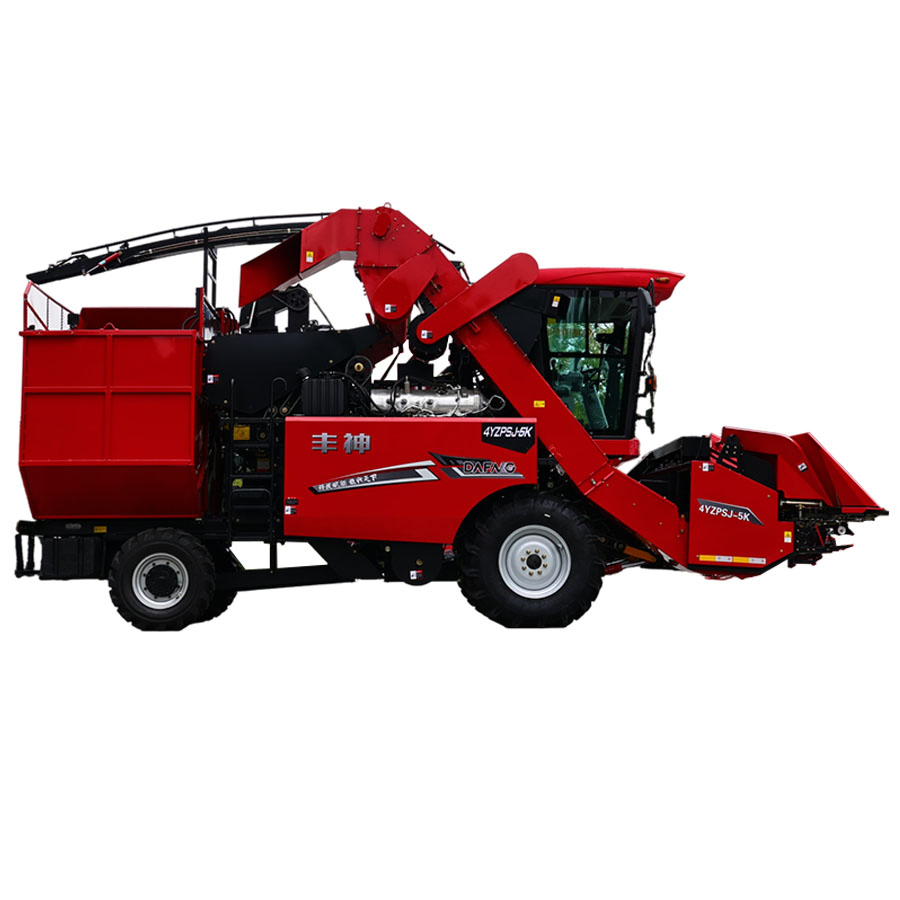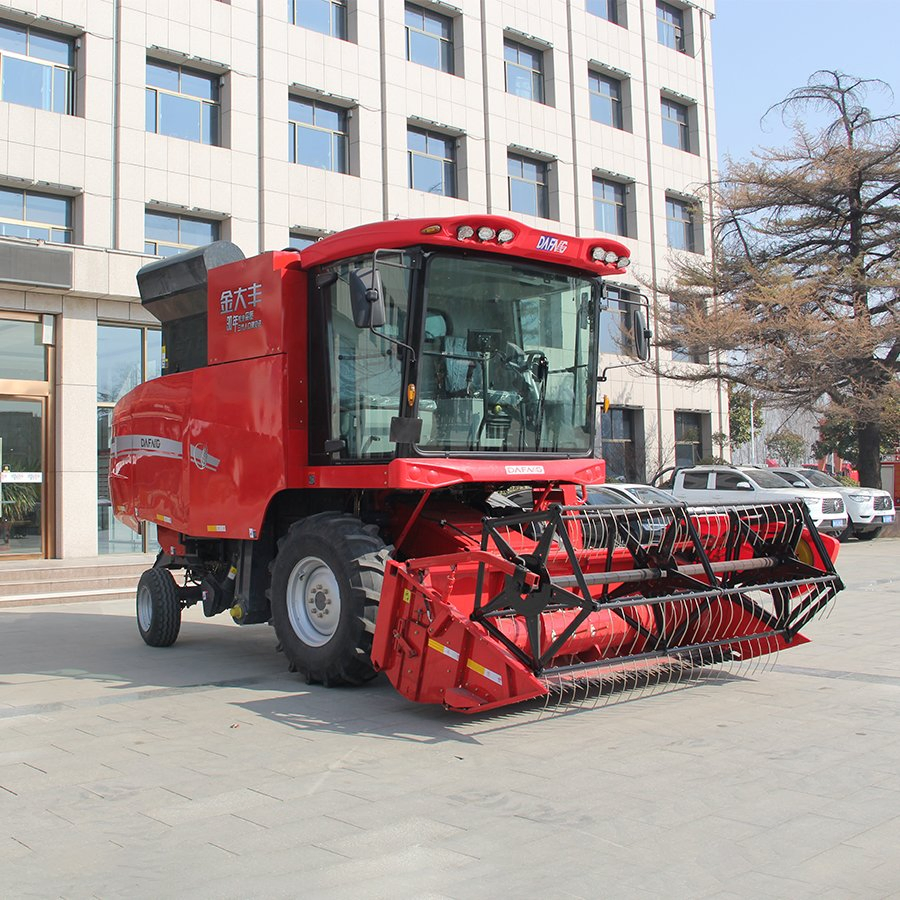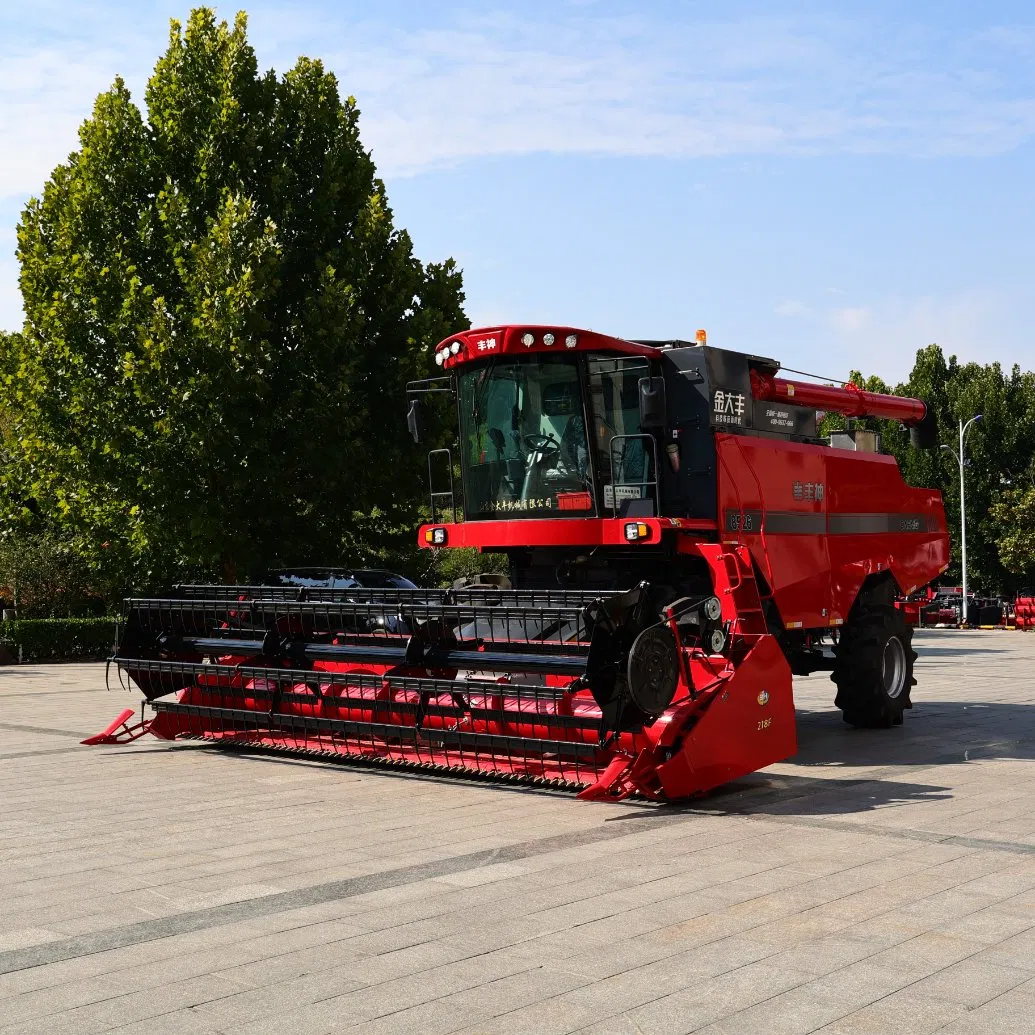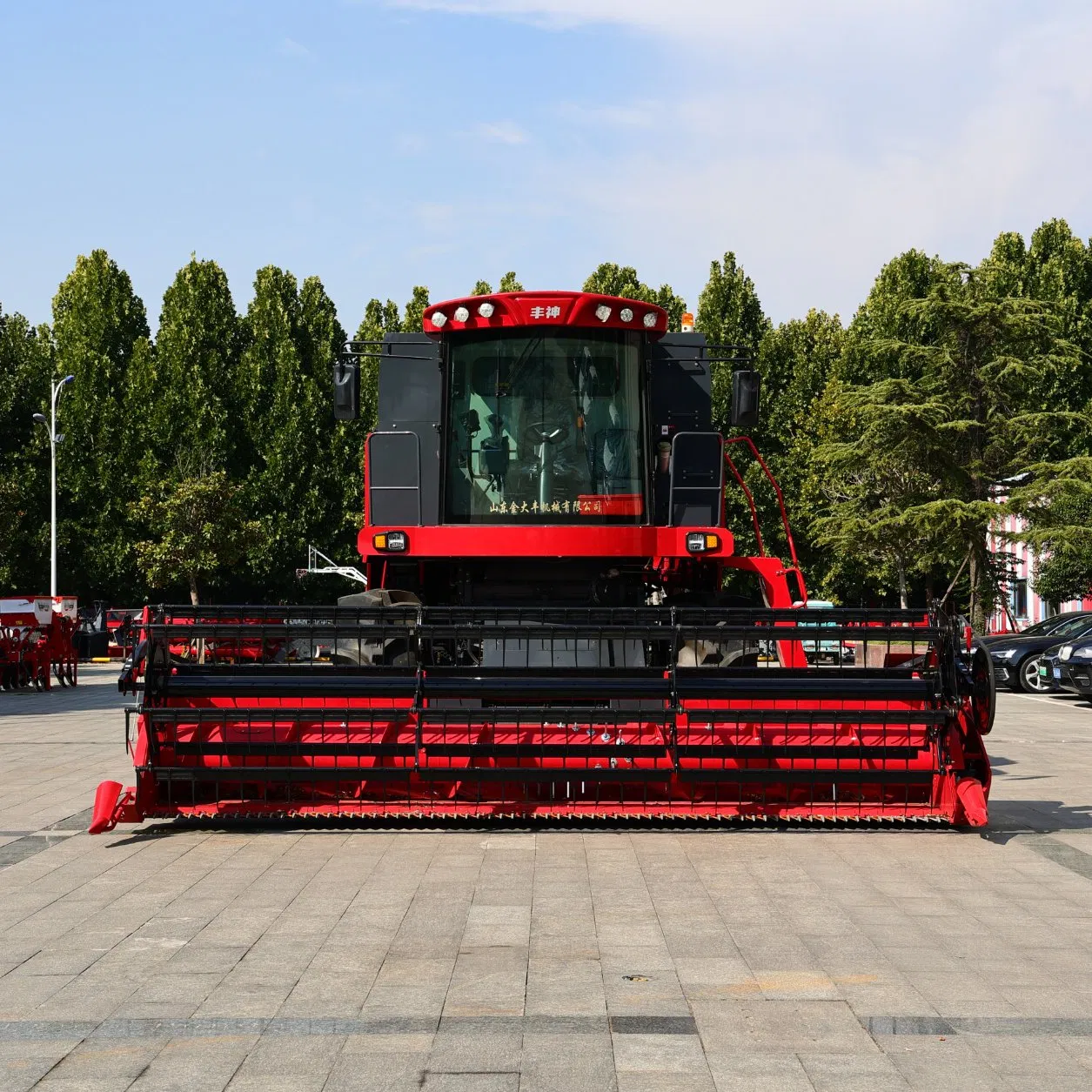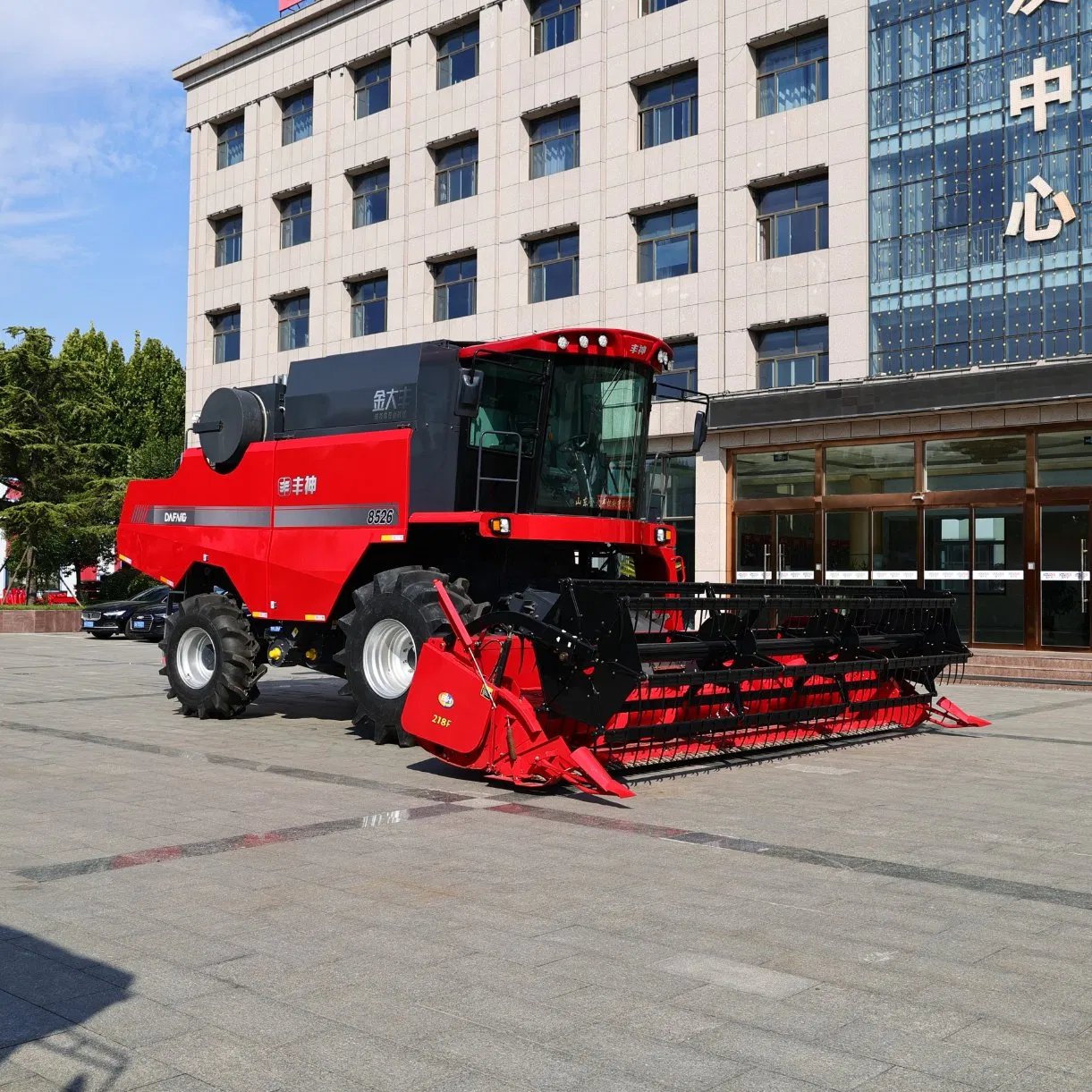
Farmers who grow wheat, rice, soybeans, barley, rapeseed, and corn often ask whether one machine can complete the entire harvesting season. In many cases, the answer is yes, but only when the combine supports the necessary headers, internal settings, and crop-specific components.
A multi crop combine harvester is designed to work with more than one crop after the operator changes the header, threshing settings, airflow, sieve openings, and other configurations. It does not mean that every crop can be harvested with exactly the same attachment and machine settings.
The real value of a multi-crop machine is flexibility. Instead of purchasing a separate combine for every crop, a farm or contractor can use one main machine across several harvesting periods. However, buyers still need to understand which components must change and where the machine’s practical limits begin.
The Short Answer: One Combine Can Harvest Several Crops
A combine performs four basic operations:
- Gathering or cutting the crop
- Threshing grain from heads, pods, or ears
- Separating loose grain from straw
- Cleaning chaff and light material from the grain
These operations are required for many crops, but the physical structure of wheat, rice, soybeans, rapeseed, and corn is different. The combine must therefore be adjustable enough to handle changes in plant height, grain size, straw volume, moisture, and threshing difficulty.
Important distinction: multi-crop capability means the main combine can be adapted for different crops. It does not mean that one fixed header and one set of adjustments will work correctly in every field.
A machine may harvest wheat and barley with relatively small setting changes. Moving from wheat to corn, however, may require a corn head, different concave components, additional adjustments, and a much more thorough cleaning process.
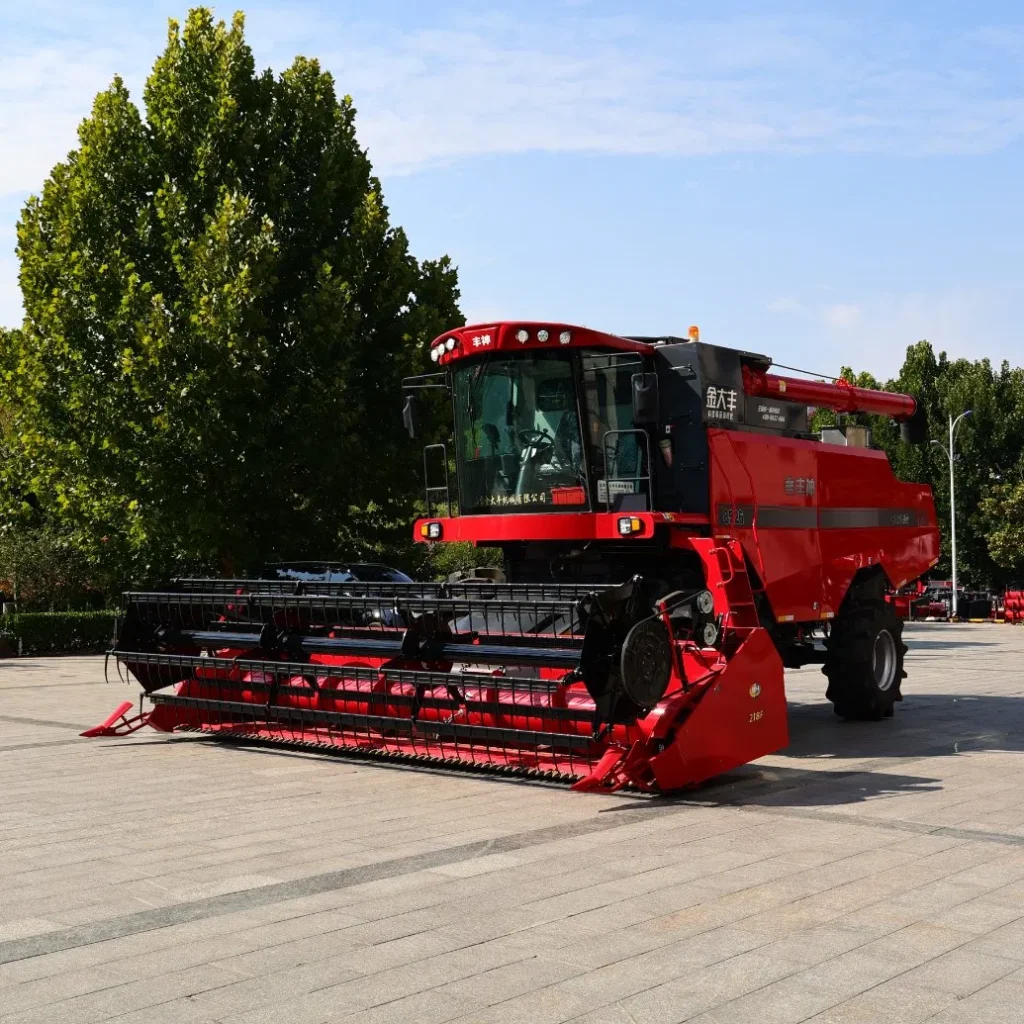
What Makes a Combine Truly Suitable for Multiple Crops?
A genuine multi crop combine harvester needs more than a powerful engine. Its value comes from the range of adjustments and compatible harvesting equipment available.
Interchangeable headers
The header must match the structure of the crop. Common options include:
- Rigid grain headers for wheat, barley, and similar cereal crops
- Flex headers for soybeans and other low-pod crops
- Rice headers for standing or lodged rice
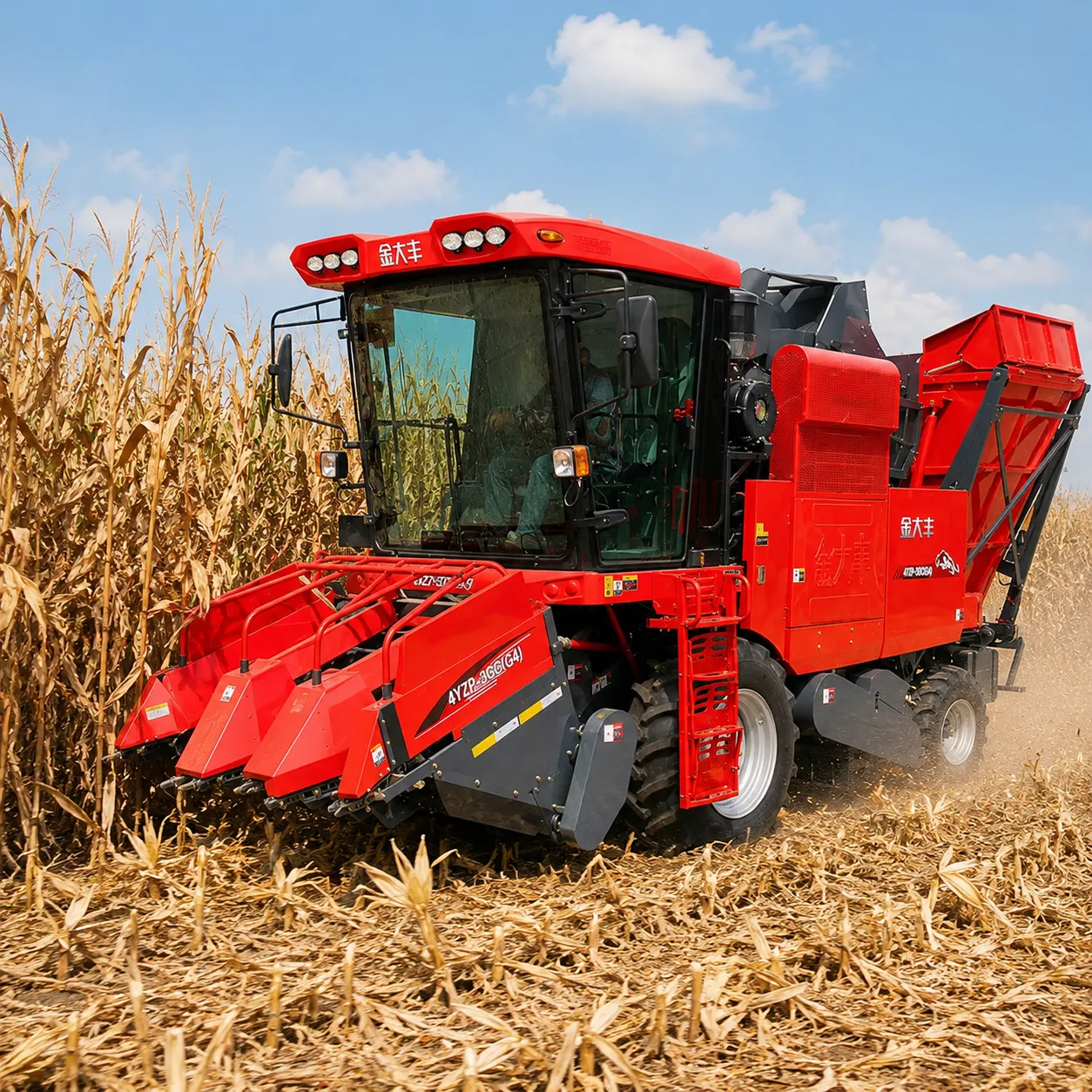
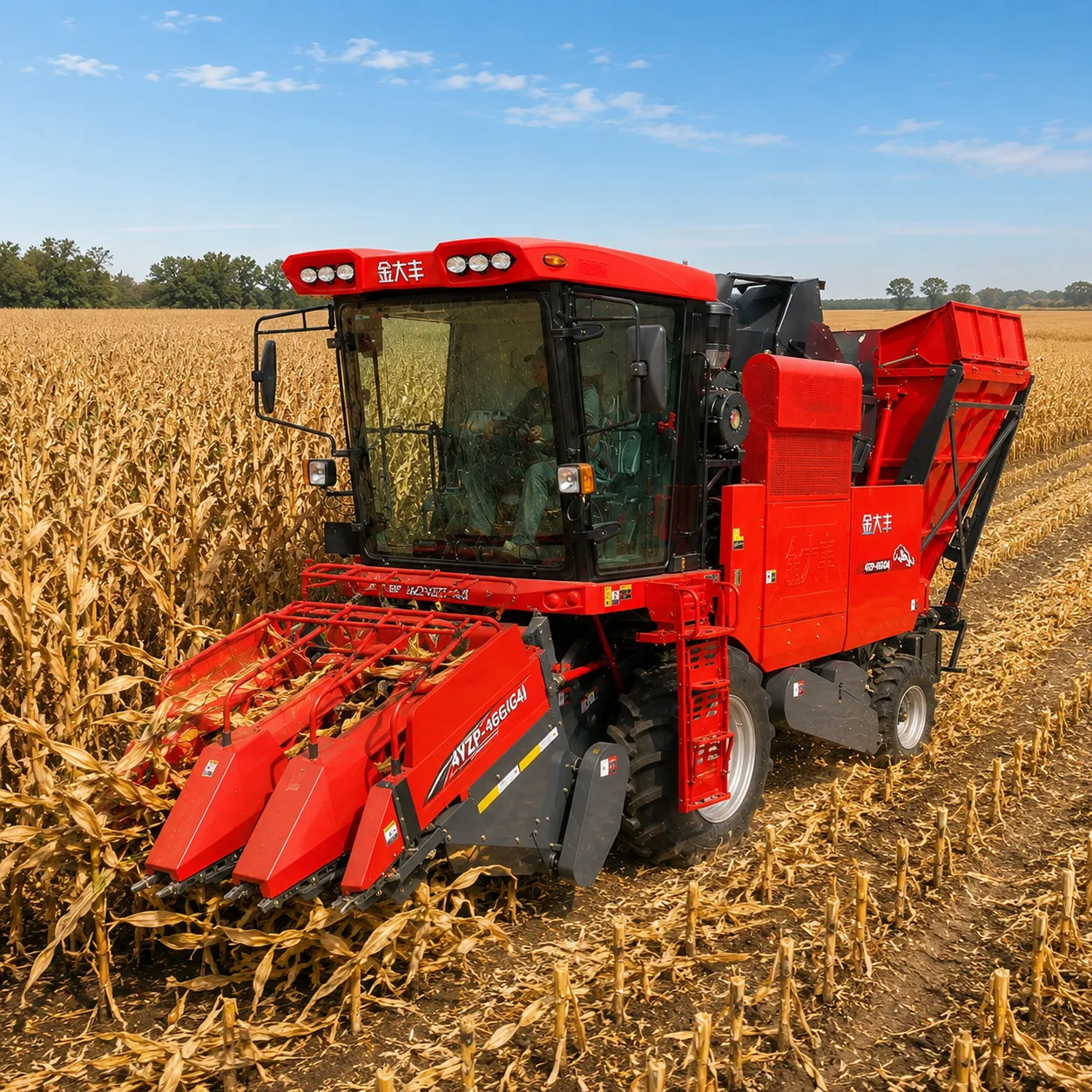
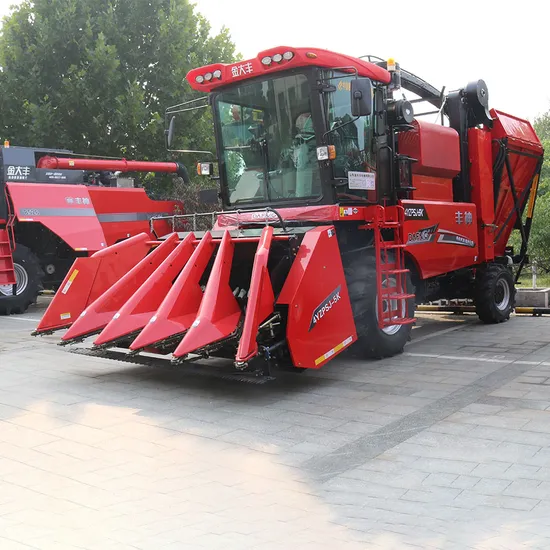
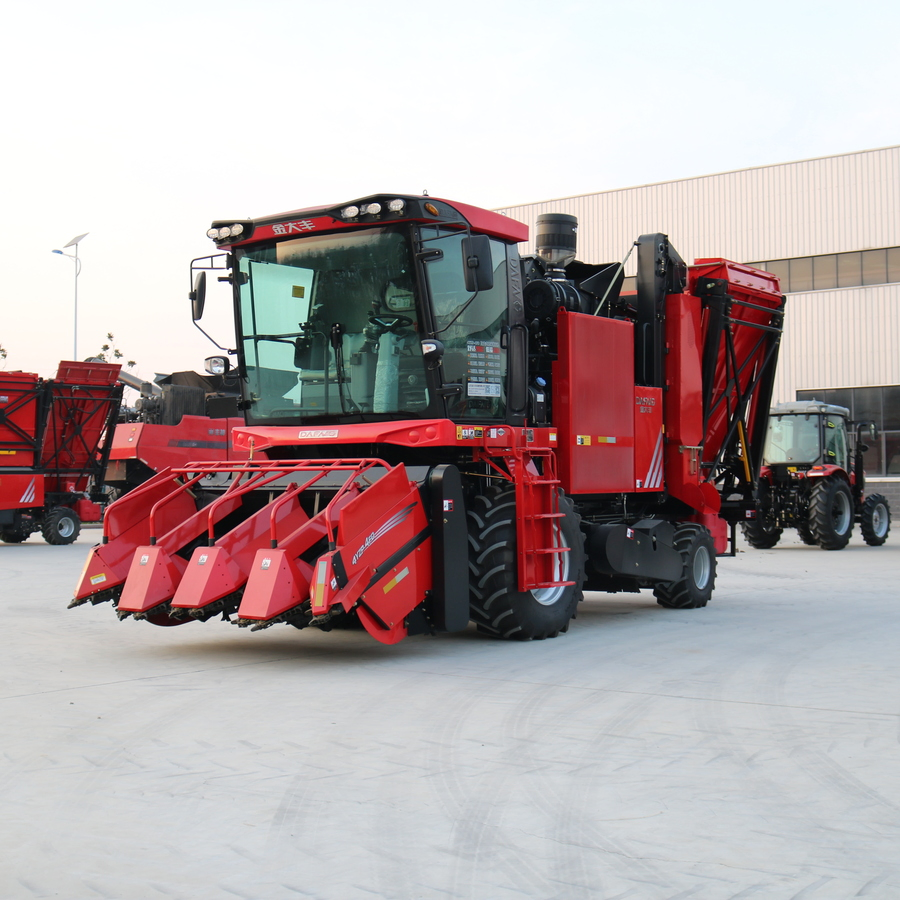
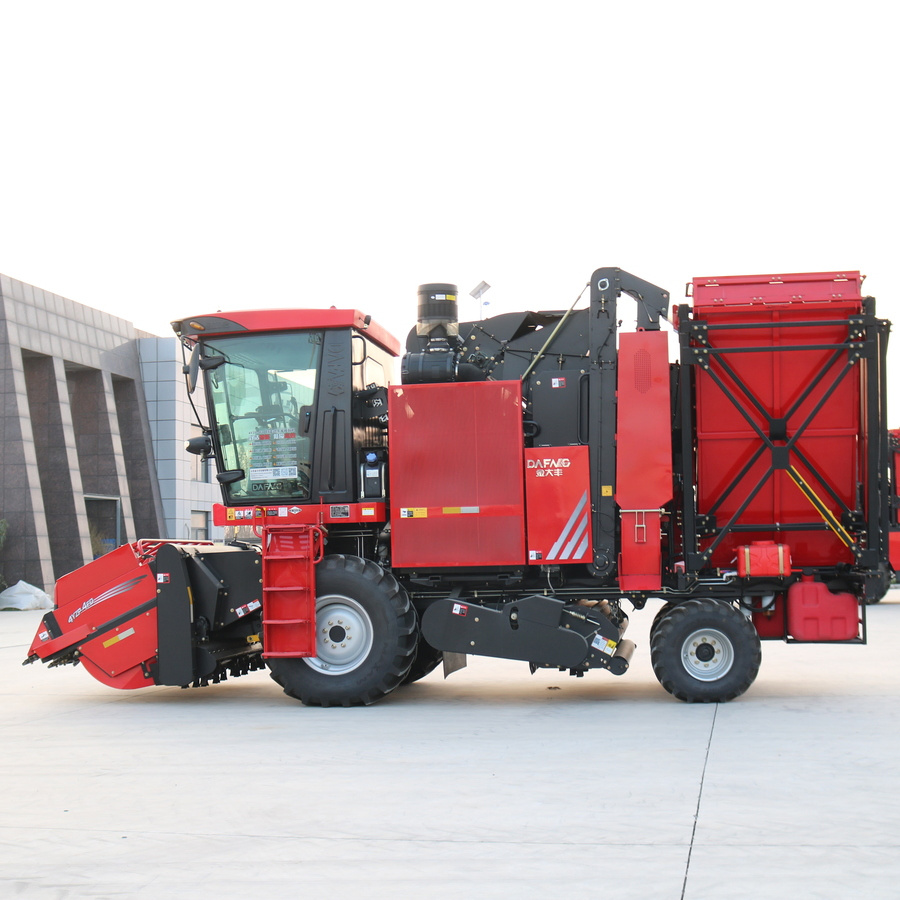
- Corn heads for row-planted grain corn
- Special attachments for rapeseed or other regional crops
The feeder house, hydraulic connections, electrical controls, lifting capacity, and drive system must all be compatible with the selected header.
Adjustable threshing system
Different crops require different threshing intensity. Wheat kernels may release relatively easily under dry conditions, while wet rice straw can be more difficult to process. Soybeans need careful handling to limit split beans, and corn requires sufficient capacity to thresh ears without excessive kernel damage.
The operator should be able to adjust:
- Rotor or cylinder speed
- Concave clearance
- Concave or grate configuration
- Crop-flow speed
- Separation settings
Flexible cleaning controls
Wheat, rice, soybeans, and rapeseed have different grain weights and sizes. The fan and sieves must provide enough adjustment to clean each crop without blowing good grain out of the machine.
A machine with limited fan-speed control or unsuitable sieve openings may produce acceptable results in one crop but excessive loss or a dirty sample in another.
How the Main Crops Differ Inside the Combine
The following comparison shows why crop changes involve more than replacing the front attachment.
| Crop | Typical Header | Main Machine Challenge | Important Adjustment |
|---|---|---|---|
| Wheat | Rigid grain header | Recovering grain from heavy straw | Rotor speed, concave clearance, fan and sieves |
| Barley | Grain header | Removing grain while controlling damage | Threshing intensity and cleaning airflow |
| Rice | Rice or grain header | Wet straw, lodged crop, soft fields | Header control, threshing speed and mobility |
| Soybeans | Flex or low-cut header | Low pods and seed splitting | Cutting height, reel position and gentle threshing |
| Rapeseed | Grain header with suitable attachments | Small seed and shattering loss | Header control, lower airflow and sieve selection |
| Corn | Corn head | Ear feeding and high grain volume | Header spacing, concave setup and cleaning capacity |
Wheat and barley
Wheat and barley are among the easier crops to combine within one machine configuration. They often use a similar grain header, although threshing and cleaning settings should still be adjusted according to grain moisture, straw volume, and crop variety.
Rice
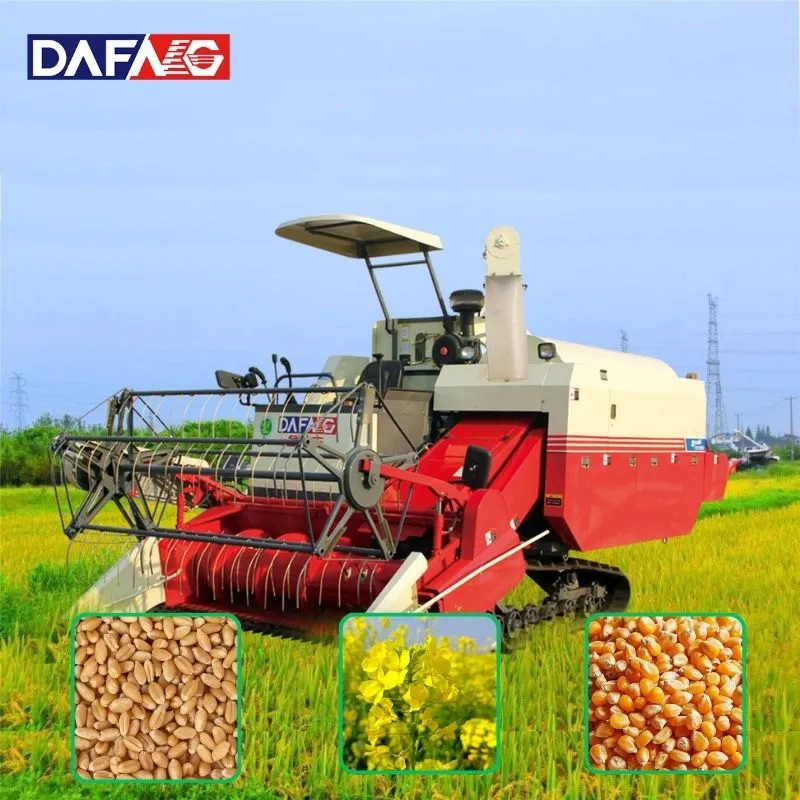
Rice can require more significant changes because wet straw is heavier and harder to separate. Field mobility may also become important. A wheeled machine suitable for dry wheat fields may not perform well in muddy rice paddies unless it has the correct tires, tracks, or undercarriage.
Soybeans
Soybean pods may be positioned close to the ground. A suitable flex header and accurate ground following help reduce uncut pods. Threshing should be gentle enough to limit split beans while still opening the pods completely.
Corn
Corn generally requires the largest configuration change. The operator normally installs a corn head that follows planted rows and separates ears from stalks. Depending on machine design, crop-specific concaves, grates, or other internal parts may also be required.
What Must Be Changed When Moving Between Crops?
Changing crops should follow a planned process. Skipping adjustments may reduce grain quality, increase loss, or contaminate the next crop.
Change or adjust the header
The operator may need to replace the entire header or change its operating position. Cutting height, reel speed, reel position, auger clearance, and feeding speed should be matched to the next crop.
Reset threshing intensity
Rotor or cylinder speed and concave clearance should be returned to a suitable starting point for the new crop. Settings from dry wheat may damage soybeans or fail to thresh wet rice correctly.
Adjust fan speed and sieves
Small, light seeds usually require different airflow than large, heavy kernels. Sieve openings must also reflect grain size and the amount of material entering the cleaning shoe.
Inspect crop-specific parts
Some crop changes may require:
- Different concaves
- Alternative separator grates
- Different sieve sections
- Additional header attachments
- Crop lifters
- Row dividers
- Special knives or guards
Clean the machine thoroughly
Grain may remain inside the feeder, concave, elevators, augers, grain tank, sieves, and return system. Cleaning is especially important when changing seed varieties, harvesting certified seed, or moving between crops that must not be mixed.
Operational reality: a crop change may take more than a few minutes. Header replacement, internal adjustments, cleaning, inspection, and field testing should all be included in the harvesting schedule.
Where Multi-Crop Capability Has Practical Limits
A flexible machine can handle several crops, but no combine performs every job equally well under every condition.
One machine may not suit both dry upland fields and deep mud
A large wheeled combine may harvest wheat and corn efficiently on firm ground but struggle in soft rice fields. A compact crawler combine may provide excellent paddy-field mobility but lack the capacity required for large commercial corn farms.
Changing headers does not increase internal capacity
Installing a wider grain header or a larger corn head increases the amount of crop entering the machine. The feeder, engine, threshing system, separator, and cleaning shoe must still process that crop volume.
An oversized attachment can force the operator to slow down and may increase:
- Feeder blockage
- Incomplete threshing
- Separation loss
- Cleaning overload
- Fuel consumption
Some specialized crops need dedicated equipment
Very small seeds, unusually tall crops, difficult terrain, specialty harvesting methods, or strict grain-quality requirements may justify a crop-specific machine or specialized attachment.
The correct question is not whether the combine can physically enter the crop. Buyers should ask whether it can harvest that crop at an acceptable speed, loss level, damage rate, and operating cost.
When Does a Multi-Crop Combine Make Financial Sense?
A multi crop combine harvester can reduce equipment investment when the farm grows several crops with different harvest dates.
It may be particularly valuable for:
- Mixed farms growing wheat, barley, soybeans, and corn
- Contractors serving customers with different crops
- Dealers supplying markets with varied agricultural systems
- Farms seeking to use one machine across a longer season
- Regions where purchasing several dedicated combines is uneconomical
However, buyers should include the cost of additional headers, adapters, concaves, sieves, transport equipment, and spare parts. A machine may be advertised as multi-crop, but the complete configuration can cost more than the basic combine alone.
| Buying Situation | Potential Advantage | Main Risk to Check |
|---|---|---|
| One farm with several crops | Longer annual machine use | Cost and time required for crop conversion |
| Contract harvesting business | More customers and a longer working season | Transport, reliability, and quick adjustment |
| Small mixed farm | Avoid purchasing several machines | Do not buy more capacity than the farm can use |
| Large commercial farm | Flexible fleet planning | One machine may become a seasonal bottleneck |
| Importer or distributor | Broader regional market coverage | Need correct attachments and spare-parts stock |
How to Evaluate a Multi-Crop Combine Before Ordering
Do not rely only on the words “multi-crop” in a product description. Confirm exactly what the machine needs for each crop.
Ask the supplier:
- Which crops has the machine been configured to harvest?
- Which headers are available?
- Are adapters required when changing headers?
- Which concaves, grates, or sieves must be replaced?
- How long does a normal crop conversion take?
- What are the recommended settings for each crop?
- Can the machine work in wet rice fields?
- What row spacing is supported by the corn header?
- How does capacity change between wheat, rice, soybeans, and corn?
- Which crop-specific spare parts should be stocked locally?
It is also helpful to provide the manufacturer with:
- Main crops and harvesting sequence
- Total area of each crop
- Expected yield
- Average field size
- Soil and terrain conditions
- Desired cutting width
- Local corn row spacing
- Required daily capacity
This information helps determine whether one combine can cover the full workload or whether two different machine configurations would be more practical.
Flexibility Comes from the Complete Configuration
A combine becomes multi-crop through a combination of interchangeable headers, adjustable threshing components, suitable separation capacity, flexible cleaning controls, and crop-specific operating knowledge.
Wheat, barley, and similar grains may require relatively simple changes. Rice, soybeans, rapeseed, and corn can require more substantial adjustments or specialized attachments.
King-Gold Dafeng provides grain harvesting solutions for wheat, rice, corn, soybeans, and other regional crops. Buyers can compare our multi crop combine harvester configurations according to header type, field condition, cutting width, crop application, and required capacity.
The best machine is not the one that claims to harvest the longest list of crops. It is the one that can change between the buyer’s actual crops without creating excessive downtime, grain loss, damage, or operating cost.
A properly configured multi crop combine harvester can extend the working season, improve equipment utilization, and reduce the need to purchase separate harvesting machines. Its success still depends on correct attachments, careful adjustment, regular field inspection, and realistic expectations about machine capacity.