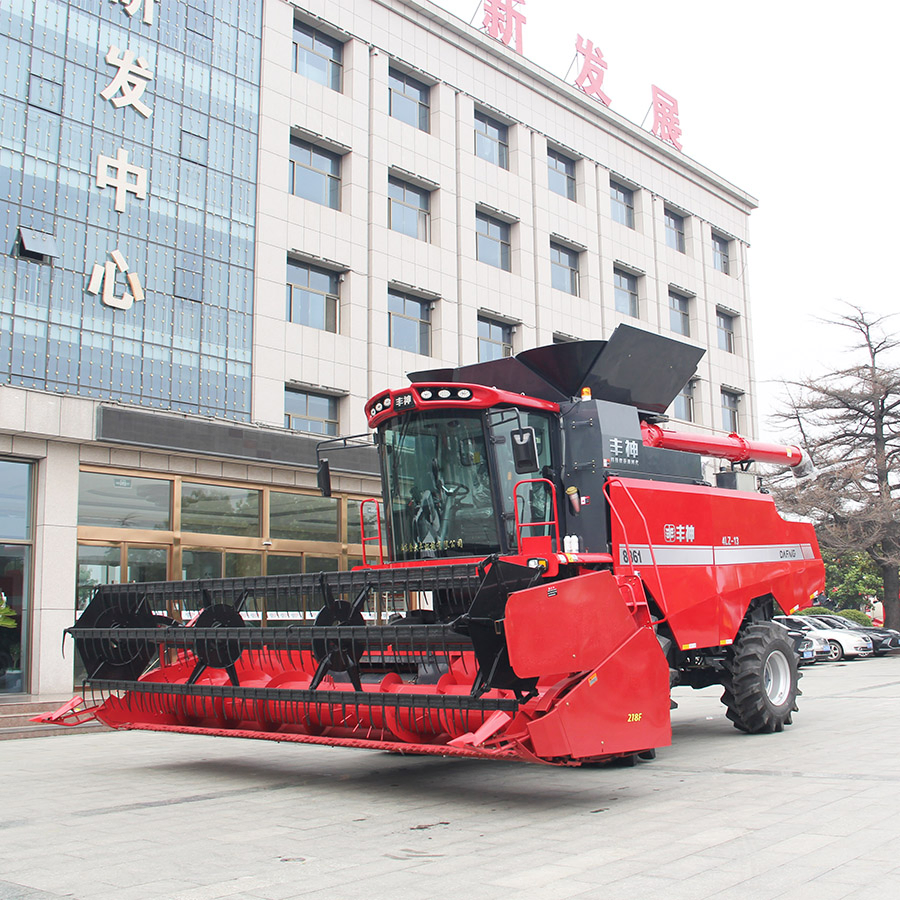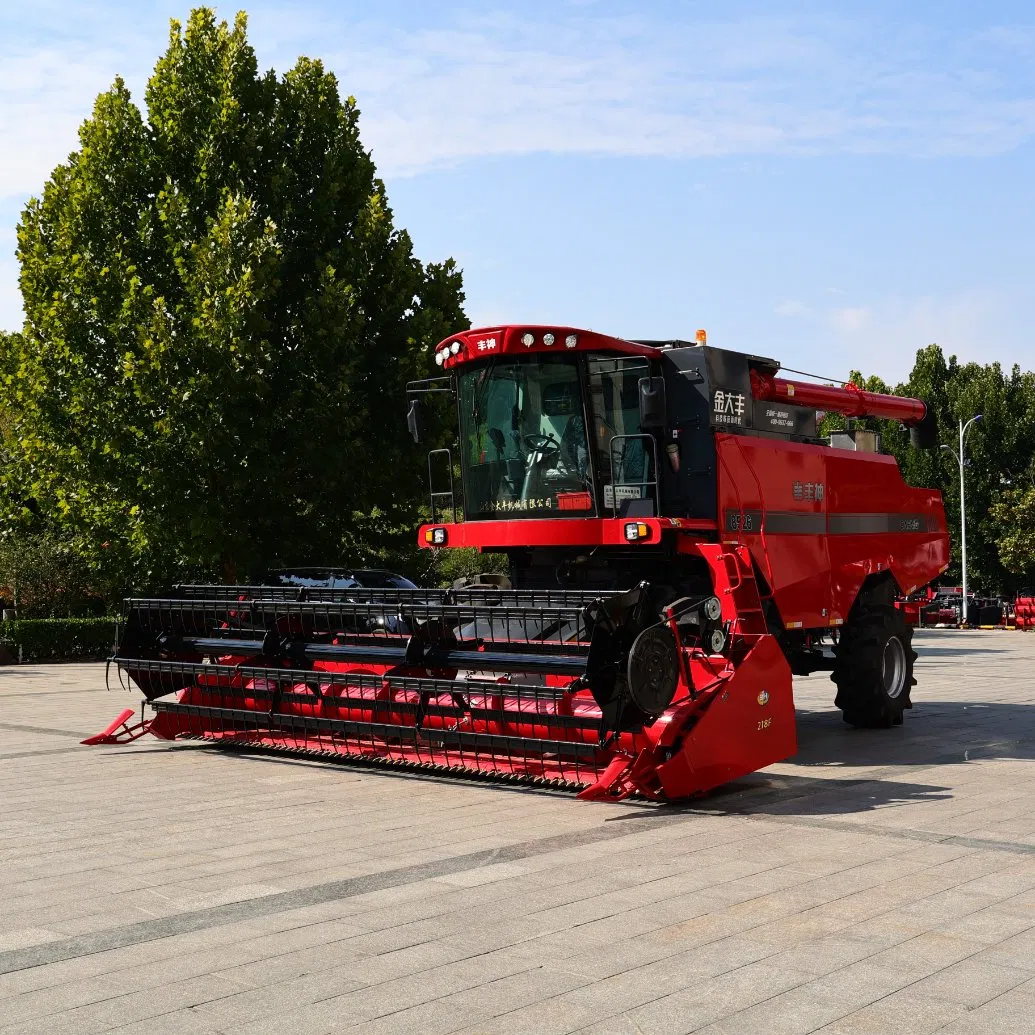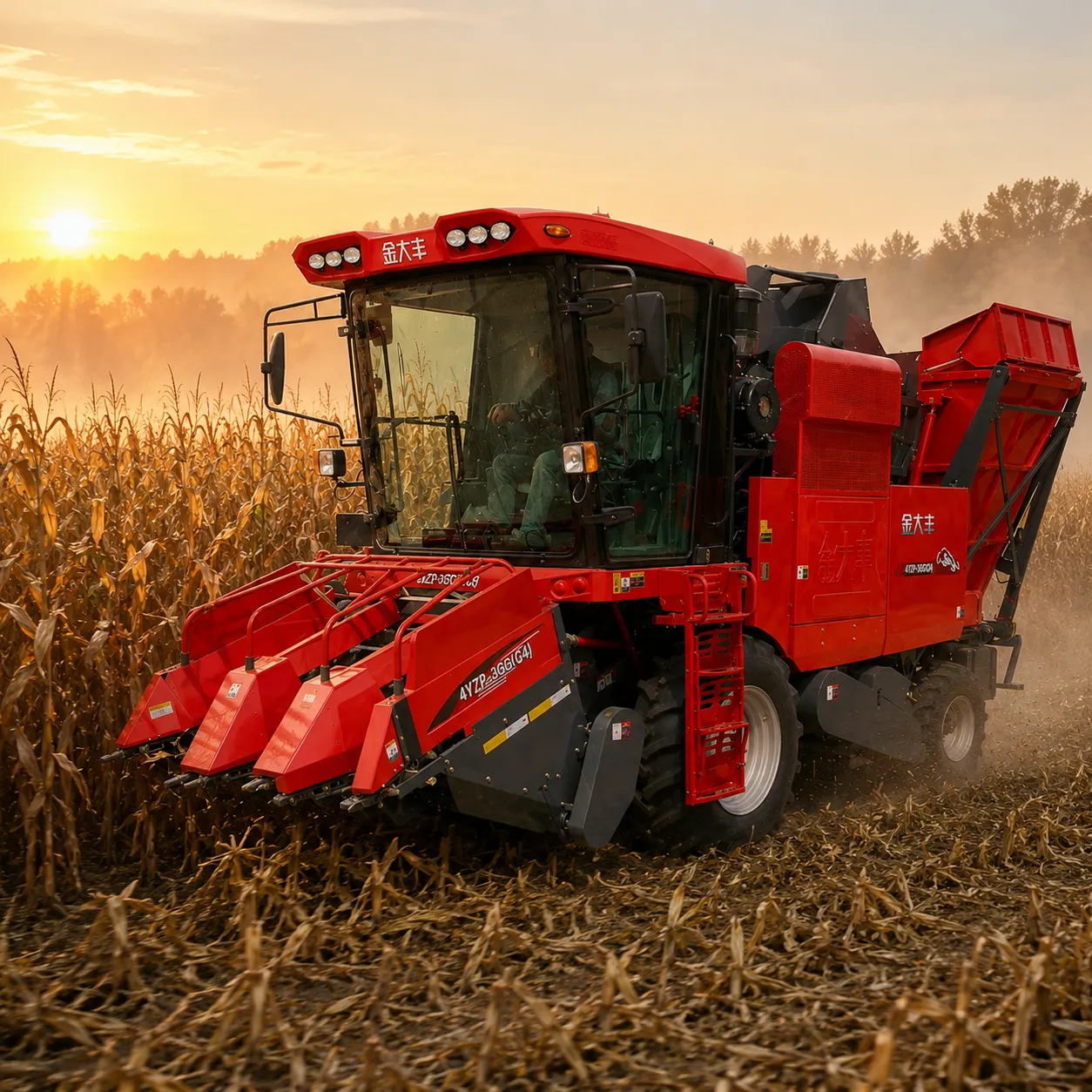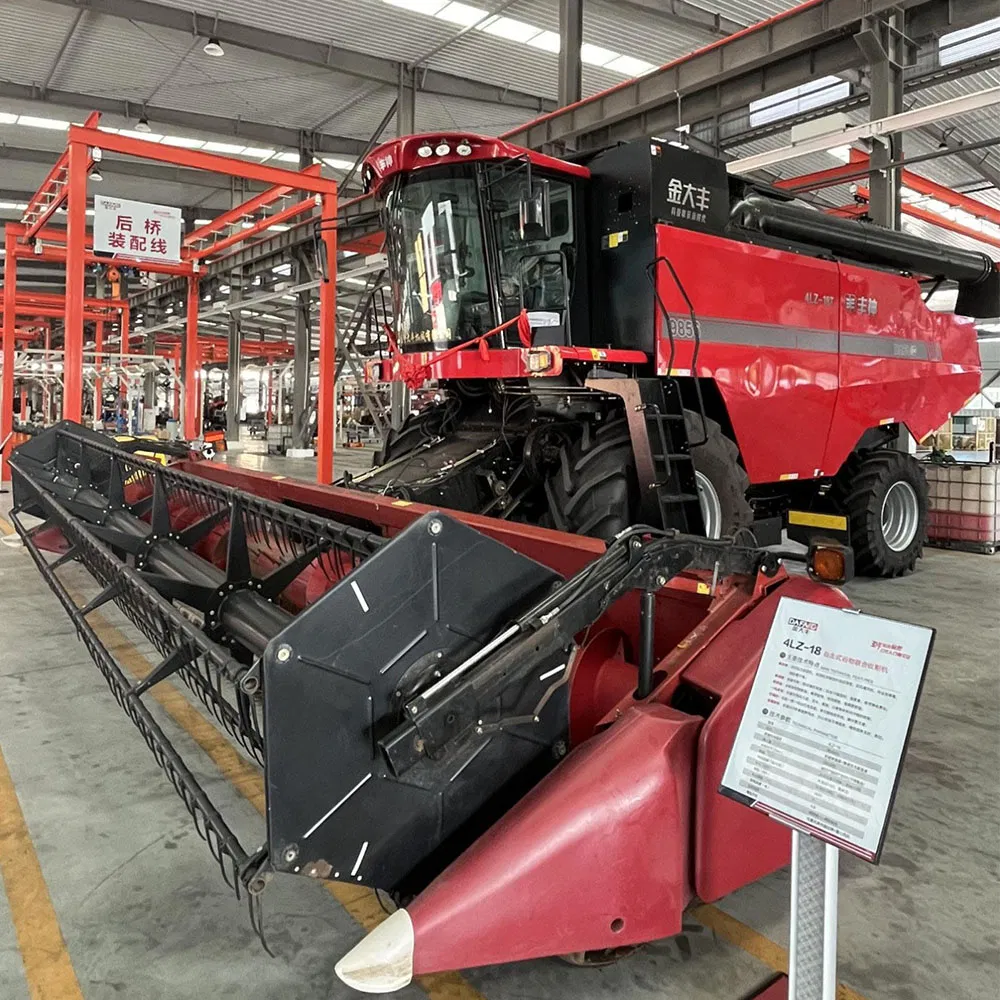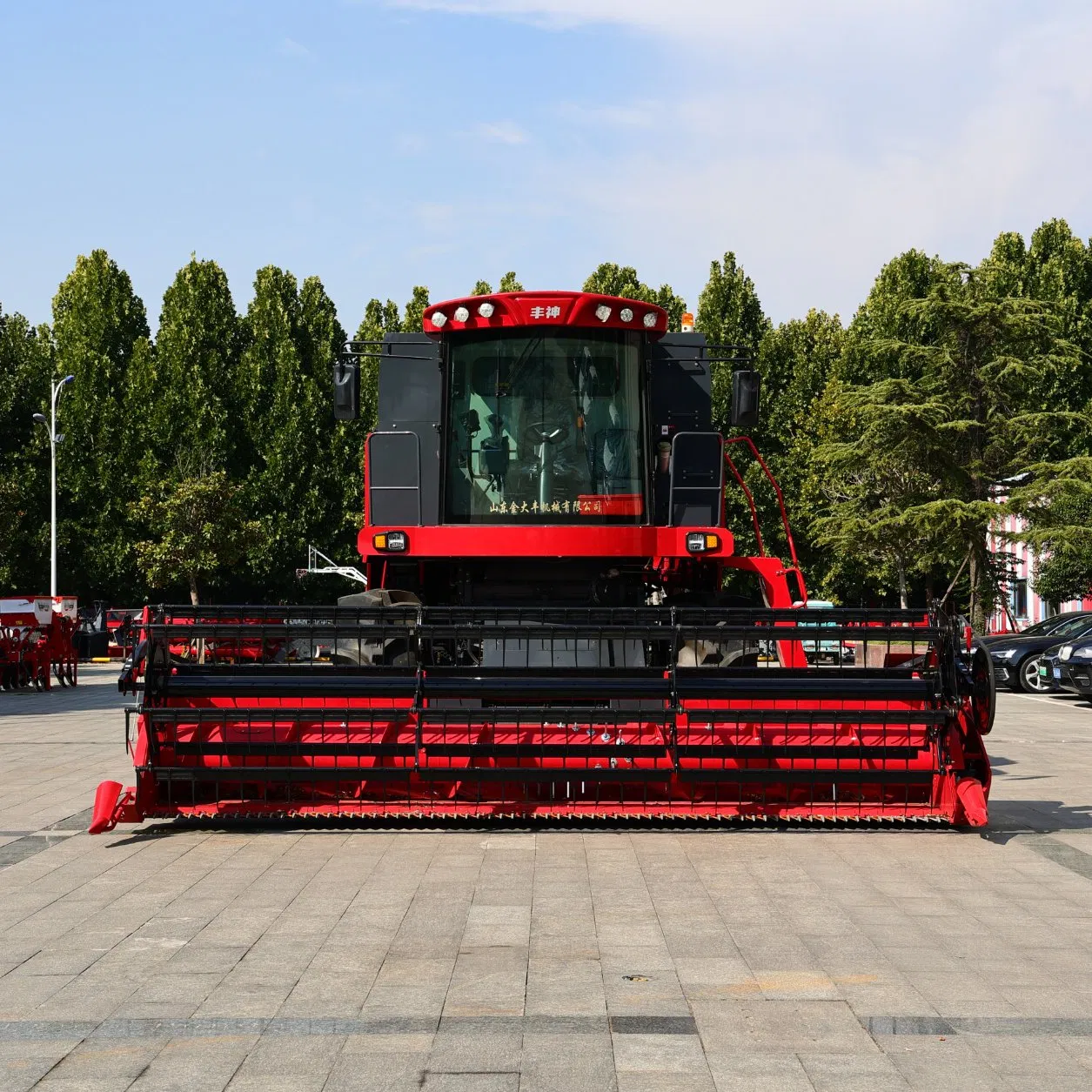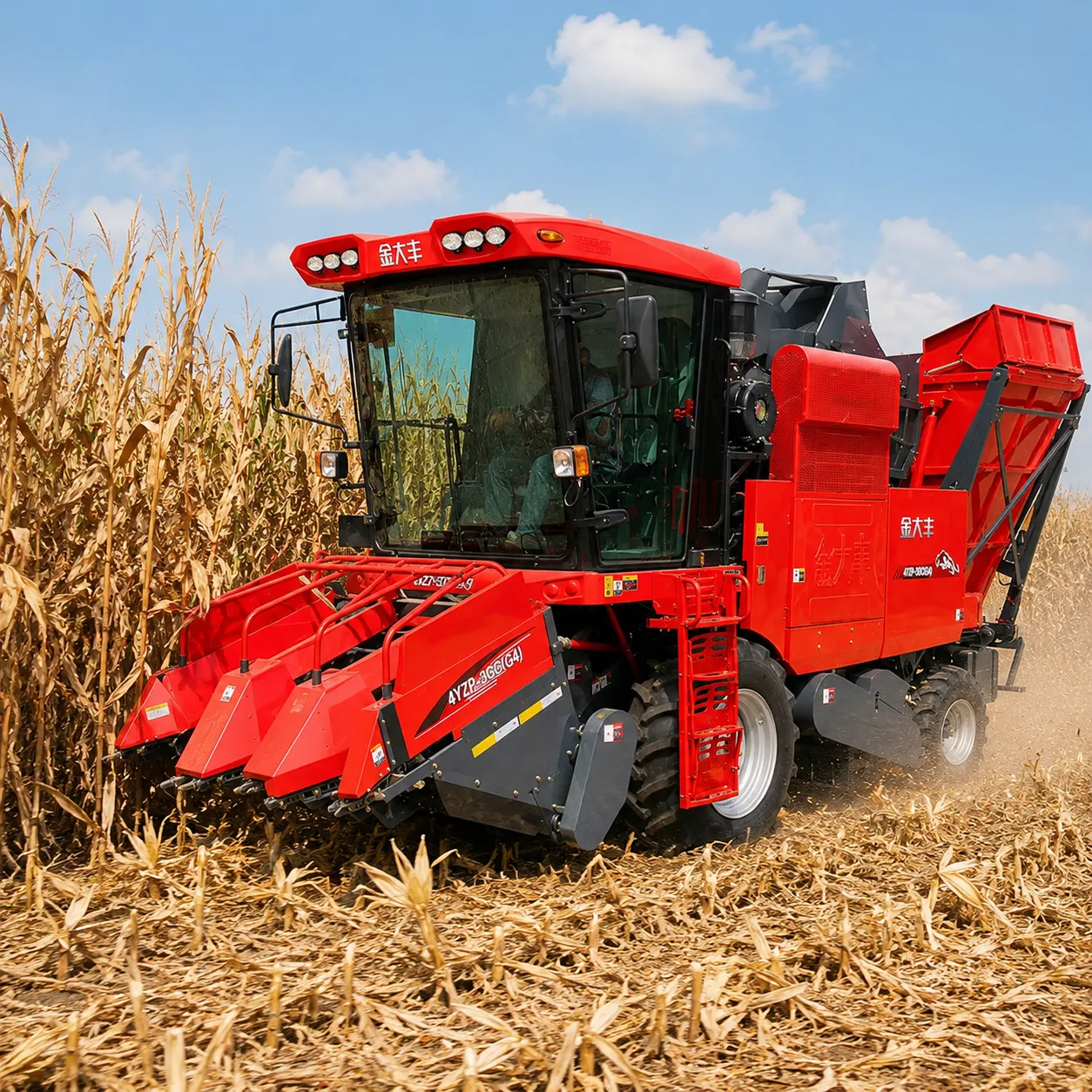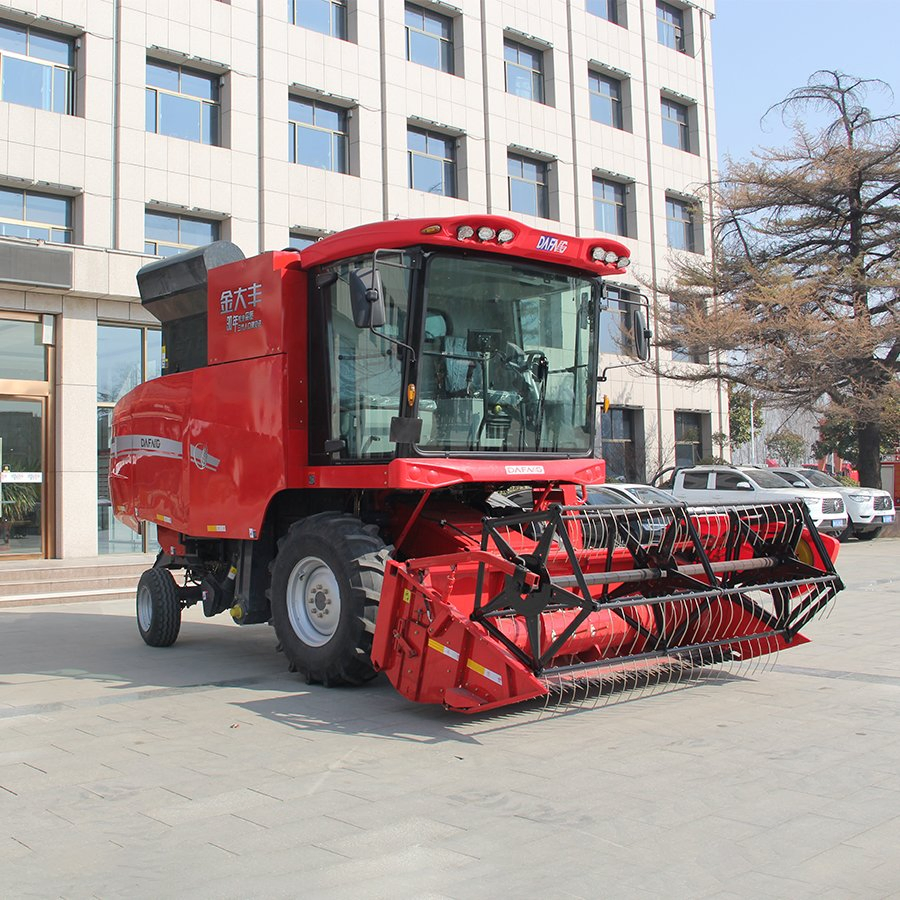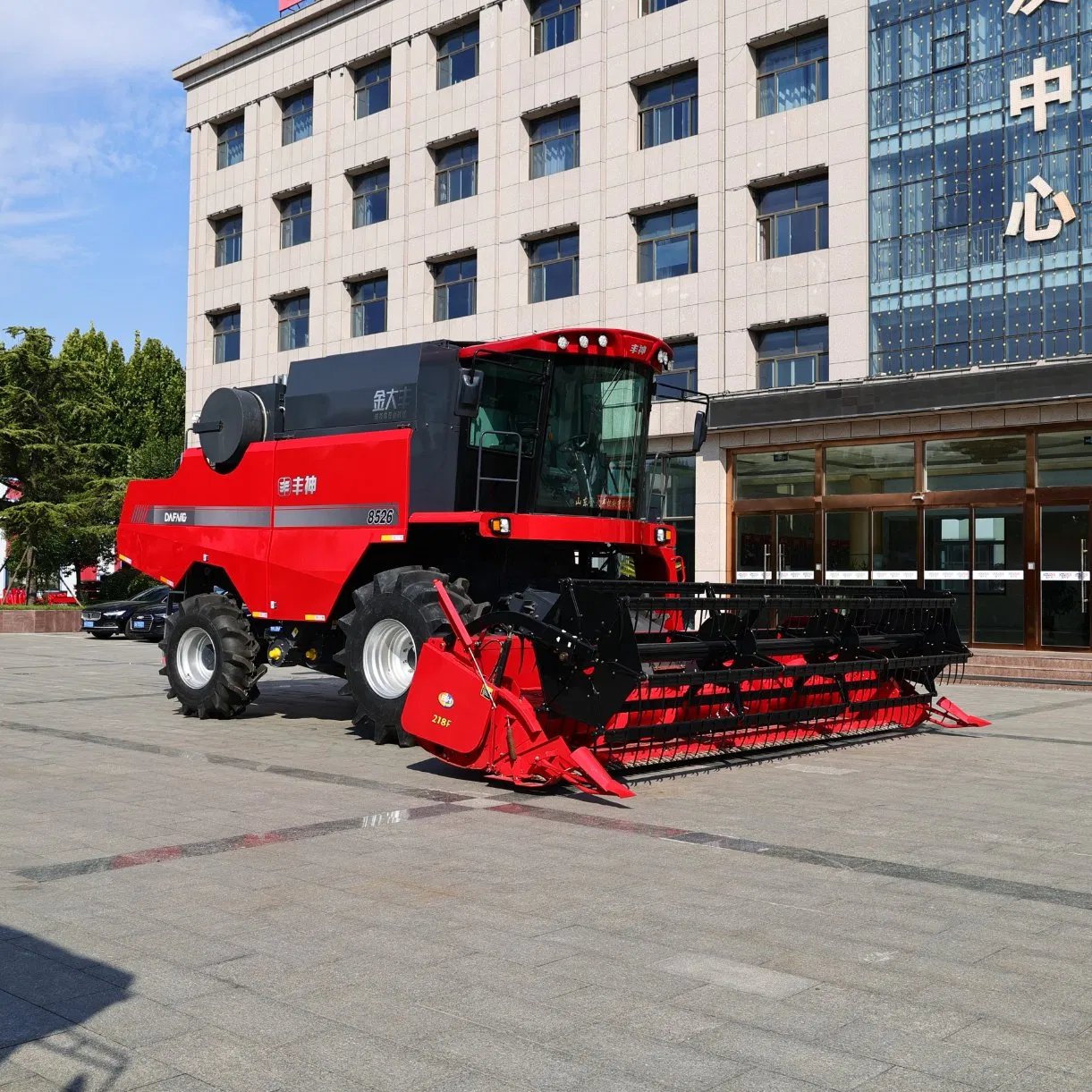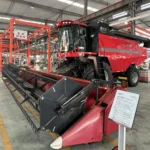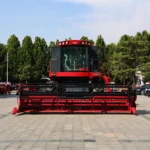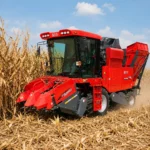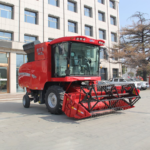
Choosing the right combine is not simply a matter of buying the largest machine available. A larger model may harvest more crop per hour, but it can also cost more to purchase, transport, operate, and maintain. A machine that is too small, however, may not finish the harvest within the available weather window.
The correct combine harvester size depends on the amount of crop that must be harvested, field conditions, header width, expected yield, transport requirements, unloading capacity, and the number of working days available.
For farmers, contractors, dealers, and agricultural machinery importers, the objective is not to select the most powerful combine. It is to choose a machine that can complete the required work efficiently without creating unnecessary ownership costs or excessive grain loss.
Start with the Harvesting Workload
The first question should be: how much crop must the combine harvest during the season?
Farm area is important, but total hectares alone do not provide a complete answer. Two farms with the same cultivated area may require very different machines because of differences in crop yield, field layout, moisture, terrain, and harvest timing.
A useful workload assessment should include:
- Total area to be harvested
- Number of crops harvested each season
- Expected yield per hectare
- Available harvesting days
- Average daily working hours
- Distance between fields
- Weather risk during harvest
- Whether the combine will also work for other farms
Farm Size Is Only the Starting Point
A smaller farm with a short harvest window may need a more productive combine than a larger farm with dry weather and a long harvesting period.
For example, wheat that must be collected quickly before rain may require a higher-capacity machine. Rice fields with soft ground may require a lighter tracked combine even when the total farm area is relatively large.
Contractors also need additional capacity because their machines move between farms and may need to complete several harvests within the same regional season.
Calculate the Available Harvest Window
The combine must complete the harvest before grain quality declines or weather creates excessive field loss.
Consider how many practical harvesting days are normally available. Then account for time lost because of:
- Rain and wet crop conditions
- Morning moisture
- Machine maintenance
- Moving between fields
- Unloading delays
- Operator rest
- Field obstacles and turning
A machine that appears large enough on paper may become too small when these delays are included.
Understand Effective Capacity, Not Just Maximum Capacity
Manufacturers may provide working speed, cutting width, feed rate, or estimated area capacity. These figures are useful for comparison, but real field productivity is usually lower than theoretical capacity.
Theoretical Field Capacity
Theoretical capacity assumes that the combine uses its full header width and travels continuously at a constant speed.
Real harvesting includes:
- Turning at field ends
- Slowing in heavy crop
- Stopping for unloading
- Adjusting machine settings
- Working around trees, channels, or irregular boundaries
- Cleaning or clearing blocked material
Therefore, the best way to compare machines is to consider how consistently they can maintain acceptable grain quality and low loss throughout a full working day.
Crop Throughput Can Be More Important Than Travel Speed
A combine may travel quickly in a light crop but slow significantly in a high-yield field. The amount of crop entering the threshing and cleaning systems determines the true machine load.
Important crop-volume factors include:
- Grain yield
- Straw volume
- Crop moisture
- Plant height
- Weed pressure
- Lodging
When comparing combine harvester size, buyers should consider both field area and the amount of material the machine must process.
Match Header Width to the Machine and Field
Header width has a direct effect on how much crop the combine can collect in each pass. However, installing a wider header does not automatically guarantee higher productivity.
A Wider Header Collects More Crop
In long, flat, uniform fields, a wider cutting platform can reduce the number of passes and improve area coverage.
This can be useful for:
- Large commercial farms
- High-capacity harvesting contractors
- Long rectangular fields
- Crops with relatively uniform density
The Combine Must Process the Additional Material
A wider header sends more crop into the feeder, threshing system, separator, and cleaning shoe. If the machine cannot process the additional volume, the operator must reduce forward speed.
An oversized header may result in:
- Uneven crop feeding
- Feeder blockage
- Incomplete threshing
- Higher separation loss
- Cleaning-system overload
- Reduced maneuverability
Small Fields May Favor a Narrower Header
In small or irregular plots, a very wide header may create difficulties near field boundaries, narrow access roads, trees, terraces, and drainage channels.
A narrower machine may turn faster, move between fields more easily, and spend a larger percentage of the day actively harvesting.
| Field Condition | Header Consideration | Machine Priority |
|---|---|---|
| Large, flat fields | Wider header may improve coverage | High throughput and larger grain tank |
| Small fragmented plots | Narrower header may be easier to manage | Maneuverability and compact dimensions |
| High-yield crop | Header must match processing capacity | Strong threshing, separation, and cleaning systems |
| Lodged crop | Header control becomes critical | Low-speed stability and good feeding performance |
| Narrow roads and field entrances | Transport width must be considered | Compact design or removable header |
Choose According to the Main Crop
The correct combine size and configuration also depend on what the machine will harvest.
Wheat and Other Small Grains
Wheat, barley, oats, and similar crops are commonly harvested with a grain header. In standing dry crops, a wider cutting platform may support high field capacity.
However, high straw volume or wet conditions can reduce throughput. The machine must provide sufficient threshing, separation, and cleaning capacity for the expected crop load.
Rice
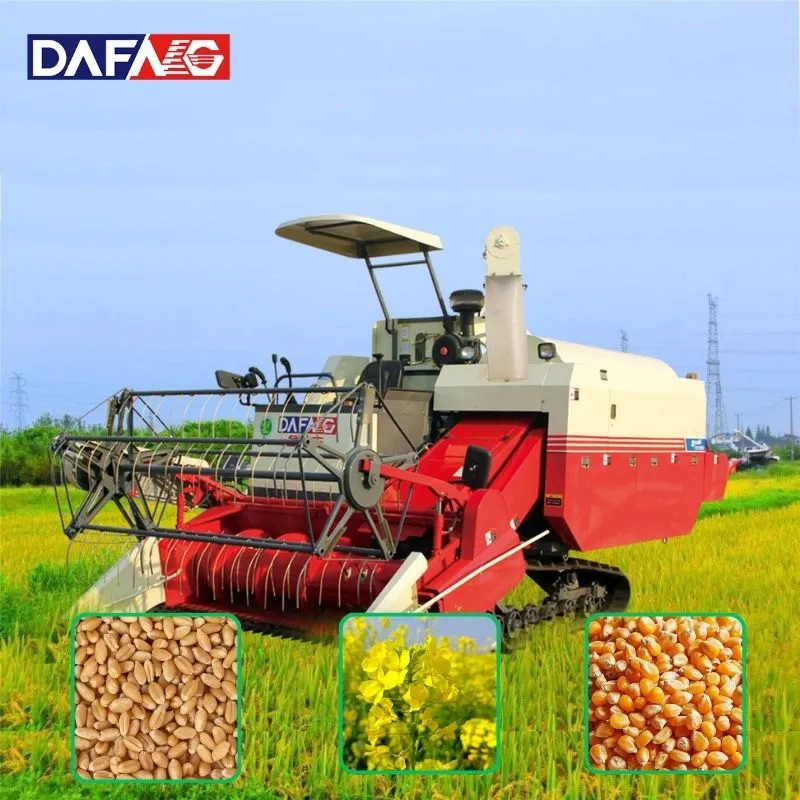
Rice harvesting often requires different priorities. Soft ground, muddy fields, and lodged crop may make flotation and mobility more important than maximum cutting width.
Tracked combines are often selected where wheel slip and soil compaction are major concerns. A compact machine may also perform better in small rice plots with narrow field access.
Soybeans
Soybeans require careful cutting near the ground because pods may be positioned low on the plant. Header control, cutterbar flexibility, and ground-following ability can be more important than maximum engine power.
A machine should maintain steady feeding while limiting shattering loss at the header.
Corn
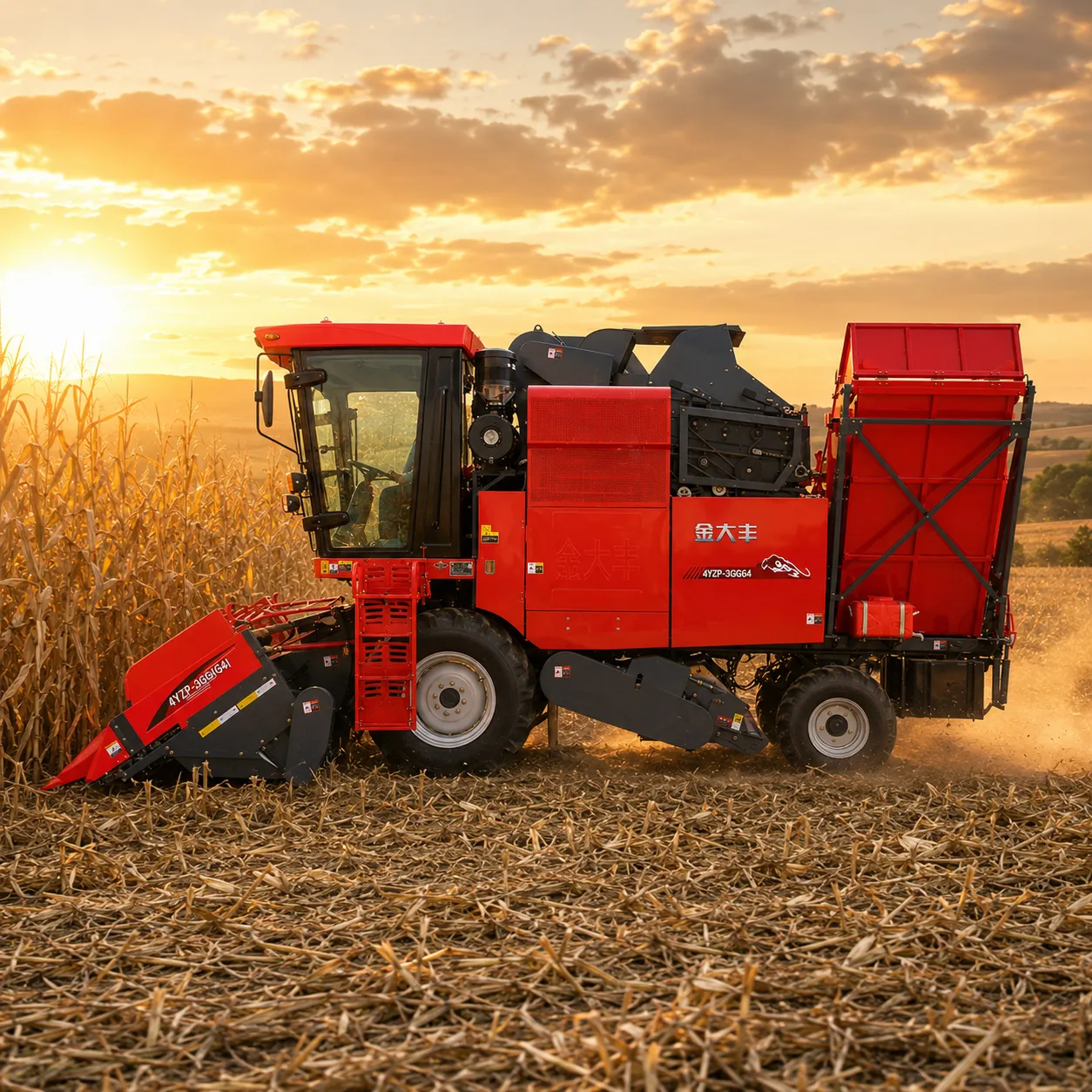
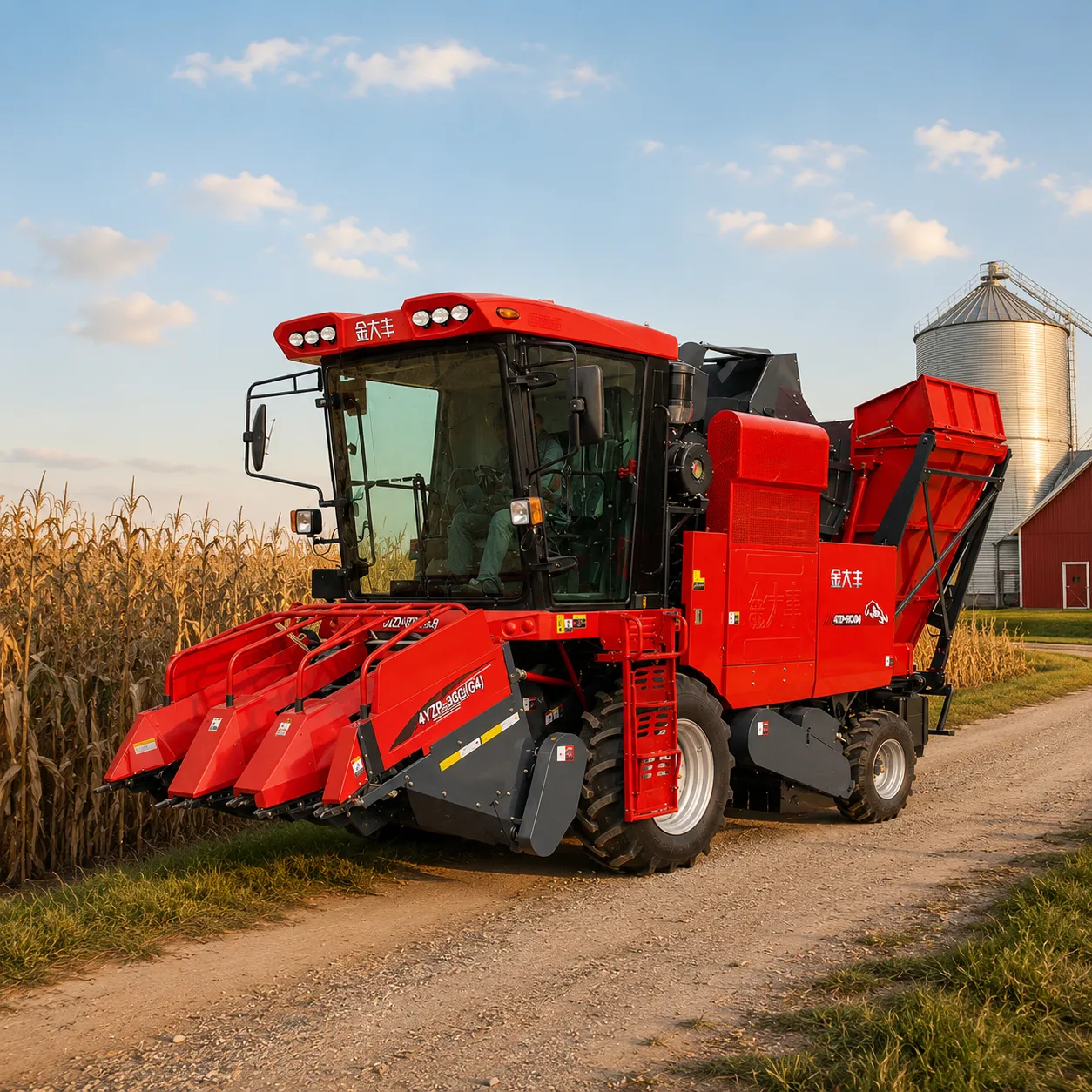
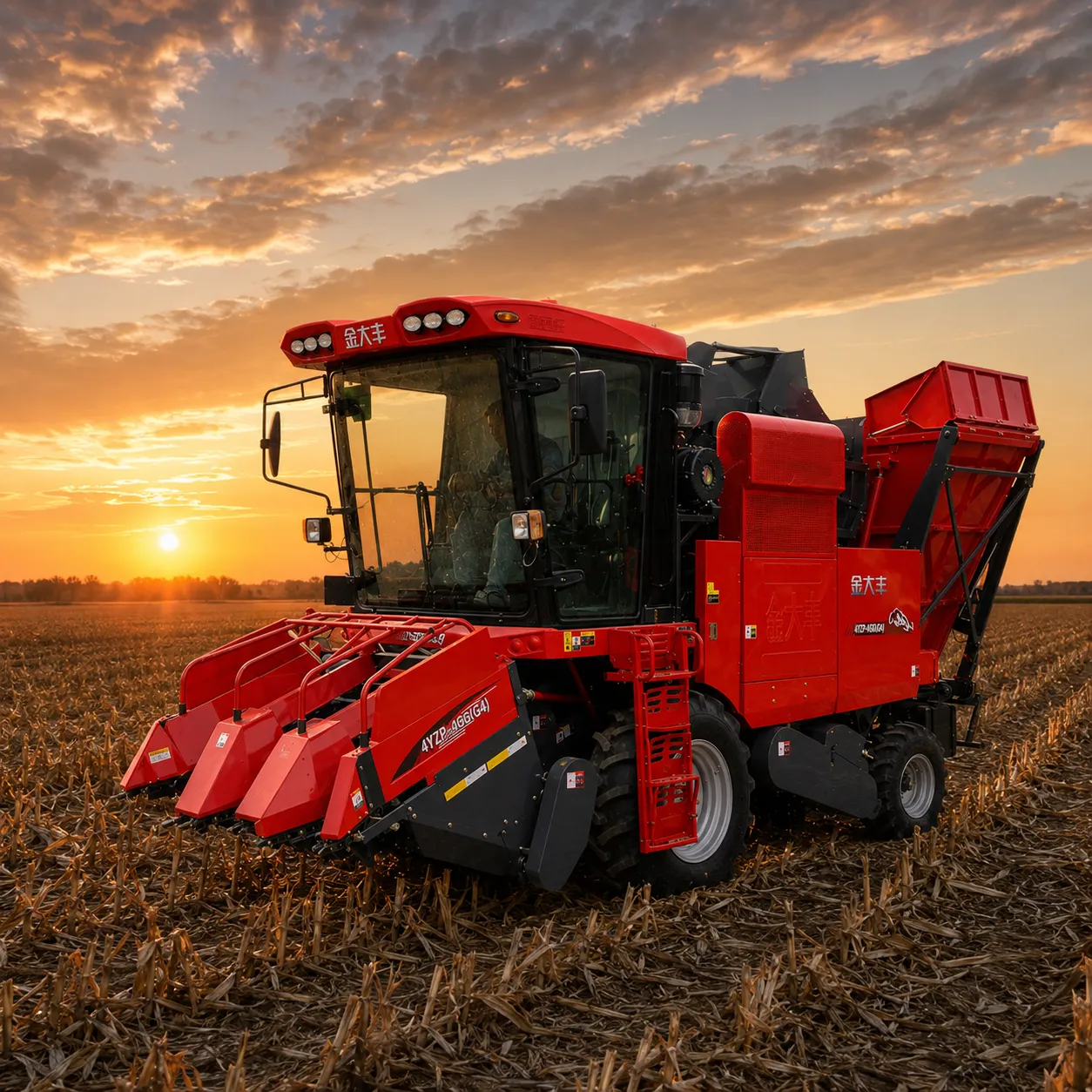
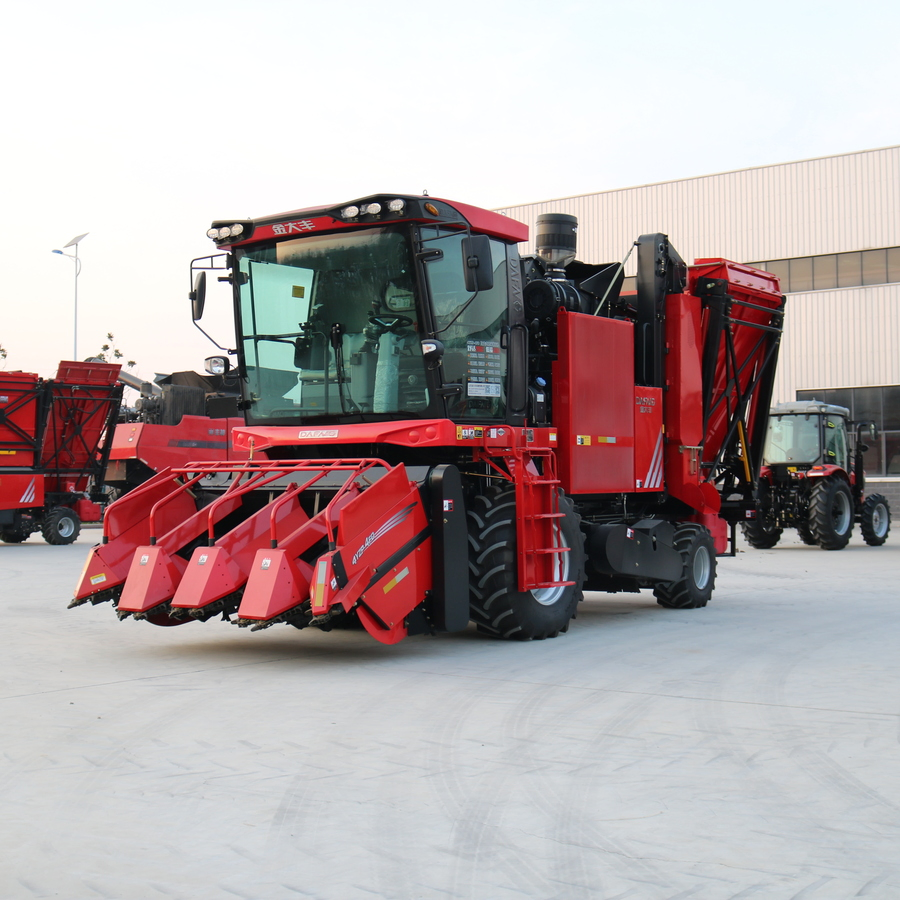
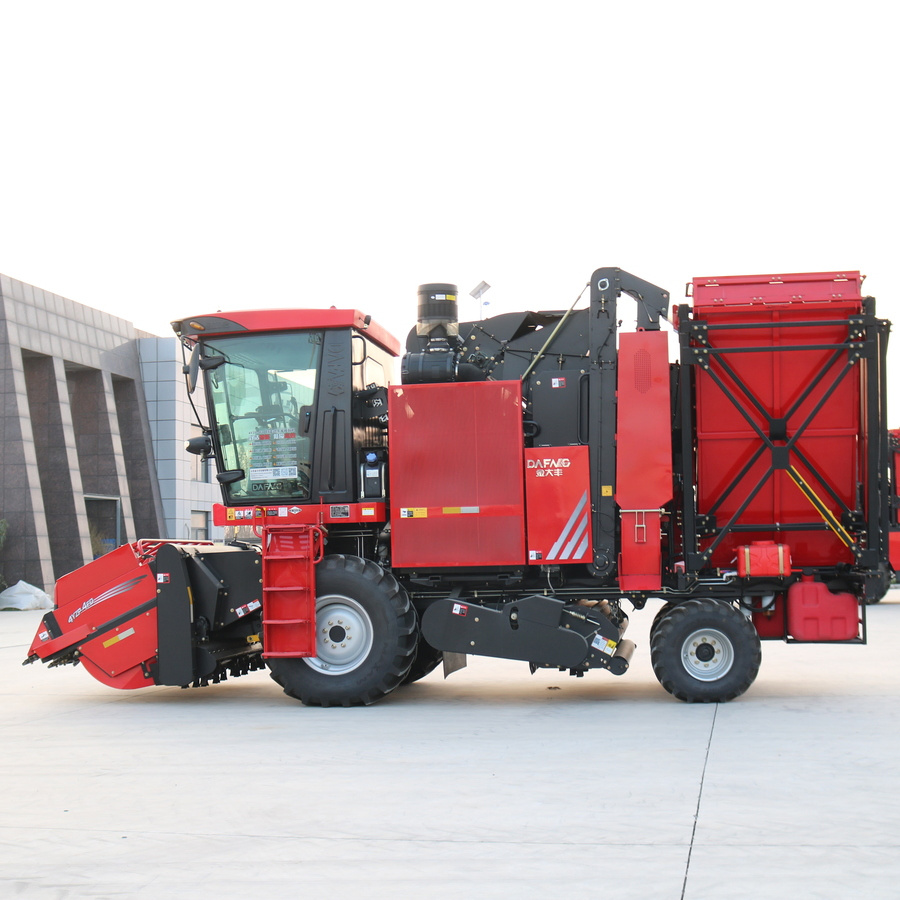
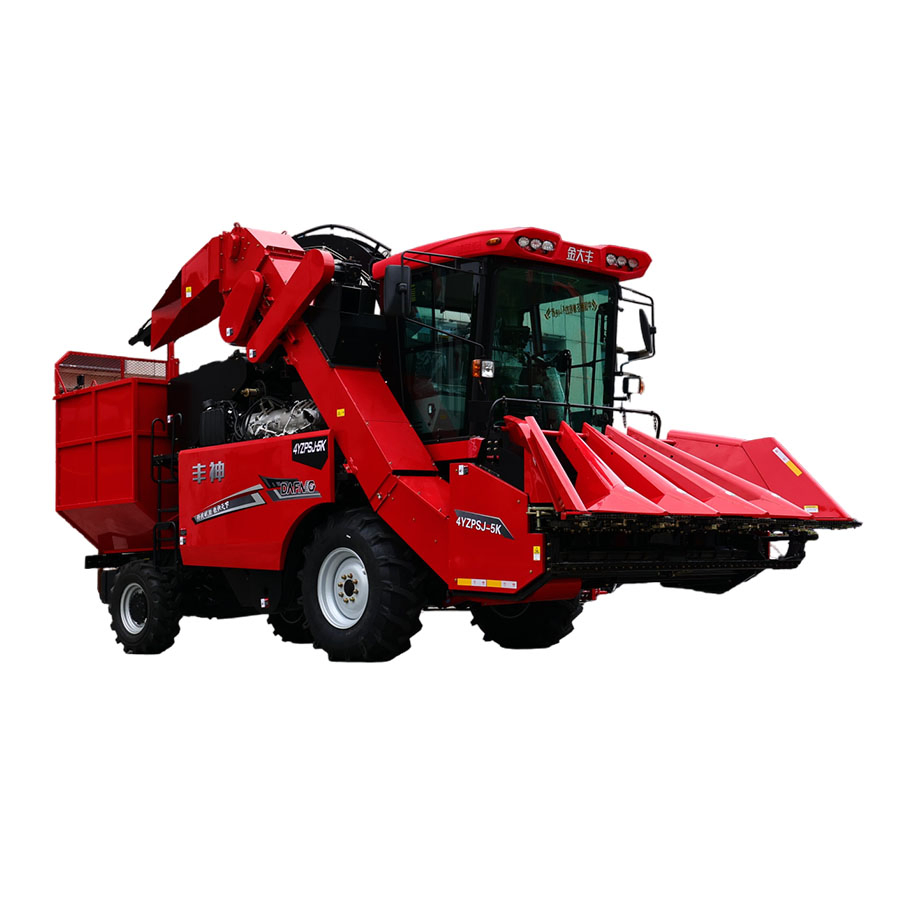
When a combine is equipped with a corn head, buyers must match the number of rows and row spacing to local planting practices.
The machine must also have enough power and processing capacity to handle the expected ear and grain volume. A larger row head is not useful if the combine must operate very slowly to avoid overload.
Multi-Crop Operations
A multi-crop combine should offer more than enough engine power. Buyers should also evaluate:
- Available header options
- Ease of changing crop settings
- Threshing adjustment range
- Sieve and fan adjustment
- Concave or rotor configuration
- Availability of crop-specific parts
A slightly smaller but more adaptable combine may provide greater annual value than a larger machine designed mainly for one crop.
Consider Grain Tank and Unloading Capacity
Harvesting capacity is limited when the combine spends too much time waiting for the grain tank to be emptied.
A Larger Grain Tank Reduces Unloading Frequency
Large machines generally carry more grain before unloading. This can be useful in high-yield fields or where grain carts work alongside the combine.
However, a larger tank also adds weight. On soft soil, excessive weight may increase compaction or reduce mobility.
Unloading Speed Affects Daily Output
A large tank provides little advantage if the unloading system is slow or transport vehicles are not available.
The harvesting plan should include:
- Number of grain trailers or carts
- Trailer capacity
- Distance to storage or trucks
- Field access
- Unloading auger capacity
- Communication between operators
A medium-size combine with organized grain transport may outperform a larger combine that frequently waits for trailers.
Field Shape Can Change the Best Combine Size
Large machines perform best when they have enough space to use their capacity.
Long Fields Support Larger Machines
Long harvesting passes reduce turning time and allow the combine to maintain stable crop flow.
This favors:
- Wider headers
- Larger grain tanks
- Higher-capacity threshing systems
- Continuous unloading operations
Irregular Fields Favor Maneuverability
Small fields, short rows, curved boundaries, trees, terraces, and narrow entrances can reduce the advantage of a large combine.
In these conditions, buyers should consider:
- Turning radius
- Overall machine width
- Header transport requirements
- Machine weight
- Visibility from the cab
- Ease of reversing and repositioning
The most productive machine is not always the one with the widest header. It is the machine that spends the highest percentage of its time harvesting rather than turning or repositioning.
Do Not Ignore Transport and Storage Requirements
A combine must often travel between farms, villages, or fields. Machine dimensions and road conditions therefore influence the correct choice.
Road Width and Bridge Limits
Before buying a large combine, check:
- Local road width
- Bridge capacity
- Overhead power lines
- Gate and field entrance width
- Maximum legal transport dimensions
- Availability of a header trailer
A machine that cannot move easily between fields may lose several hours each day during harvest.
Workshop and Storage Space
Larger machines require more space for:
- Indoor storage
- Daily maintenance
- Header storage
- Spare parts
- Cleaning and inspection
Importers and dealers should also consider shipping dimensions and whether the machine can be transported economically by container, flat rack, or other shipping method.
Engine Power Should Match the Full Harvesting System
Horsepower is important, but it should not be used as the only measure of machine size.
The engine must provide enough power for:
- Header operation
- Crop feeding
- Threshing
- Separation
- Cleaning fan
- Grain elevators
- Unloading auger
- Travel on slopes or soft ground
More horsepower may help in heavy crops and difficult terrain, but capacity also depends on internal crop flow and component size.
A high-power engine connected to a limited cleaning or separation system will not provide the expected productivity.
Small, Medium, or Large Combine: A Practical Comparison
| Combine Category | Common Strengths | Possible Limitations | Typical Applications |
|---|---|---|---|
| Compact combine | Easy transport, good maneuverability, lower operating cost | Lower hourly capacity and smaller grain tank | Small farms, rice fields, fragmented plots |
| Medium-size combine | Balanced capacity, flexibility, manageable dimensions | May be insufficient for very large commercial operations | Mixed farms, regional contractors, several grain crops |
| Large combine | High throughput, wider headers, larger grain tank | Higher cost, transport difficulty, greater support requirements | Large fields, commercial farms, high-capacity contracting |
These categories should be used as a general decision framework rather than a fixed rule. The correct machine depends on local crops, field conditions, working hours, and harvest logistics.
Buying Too Small Creates Real Risks
A combine that is too small may appear more affordable at the beginning, but it can increase long-term harvesting costs.
Possible problems include:
- Harvest taking too many days
- Higher weather exposure
- More grain shattering or lodging
- Longer daily working hours
- Frequent machine overloading
- Higher loss caused by excessive forward speed
- Limited ability to serve additional farms
When the machine is continuously operated beyond its practical capacity, wear and maintenance requirements may also increase.
Buying Too Large Also Has Disadvantages
An oversized combine may spend much of the year underused.
Common disadvantages include:
- Higher purchase price
- Greater fuel consumption
- More expensive spare parts
- More difficult transportation
- Greater soil compaction
- Higher operator training requirements
- Insufficient work to justify ownership cost
A large combine only delivers value when the farm or contractor has enough annual harvesting work to use its capacity.
A Better Way to Select Combine Harvester Size
Instead of selecting by horsepower or header width alone, use a step-by-step decision process.
- Calculate the total area and crops to be harvested.
- Estimate the practical harvest window.
- Consider expected yield and straw volume.
- Identify the required header type and width.
- Evaluate field size, shape, terrain, and access.
- Review grain tank capacity and unloading logistics.
- Check road transport and storage limitations.
- Allow capacity for weather delays and future growth.
- Compare maintenance, spare parts, and service support.
Buyers reviewing different models can explore our combine harvester size options for wheat, rice, corn, soybeans, and other grain crops.
The available machines differ in cutting width, crop application, mobility, grain tank capacity, and harvesting configuration. Matching these specifications to local working conditions is more important than simply choosing the largest model.
Questions to Answer Before Requesting a Quotation
Providing accurate project information helps the manufacturer recommend a more suitable machine.
Prepare the following details:
- Main crop or crops
- Total harvesting area
- Expected yield
- Average field size
- Field terrain and soil condition
- Desired cutting width
- Required daily harvesting capacity
- Available harvest days
- Road and field entrance width
- Local spare-parts and service requirements
For corn harvesting, also provide row spacing and desired row number. For rice harvesting, explain whether the fields are wet, muddy, or prone to machine sinking.
Choose Capacity You Can Use, Not Capacity You Cannot Support
The correct combine should complete the harvest within the available time while maintaining acceptable grain quality and field loss.
Small farms and fragmented fields may benefit from a compact, maneuverable machine. Medium-size farms often need a balance between productivity, transport, and operating cost. Large commercial farms and contractors may require wider headers, larger grain tanks, and greater crop-processing capacity.
The final decision should consider the entire harvesting system, including headers, crop throughput, unloading vehicles, operators, roads, maintenance, and spare-parts support.
Choosing the right combine harvester size allows the machine to work near its practical capacity without becoming an unnecessary financial or logistical burden.