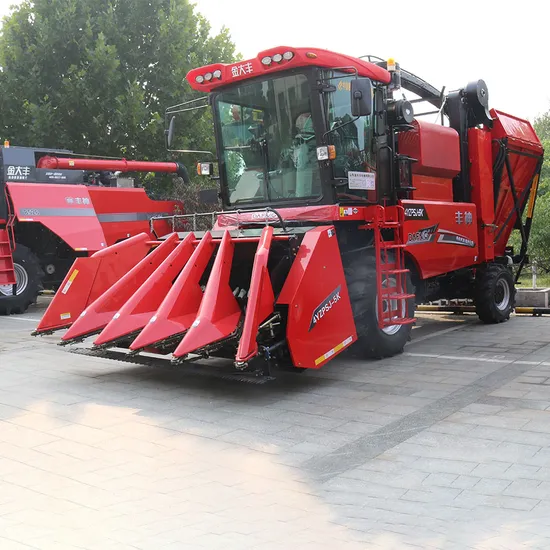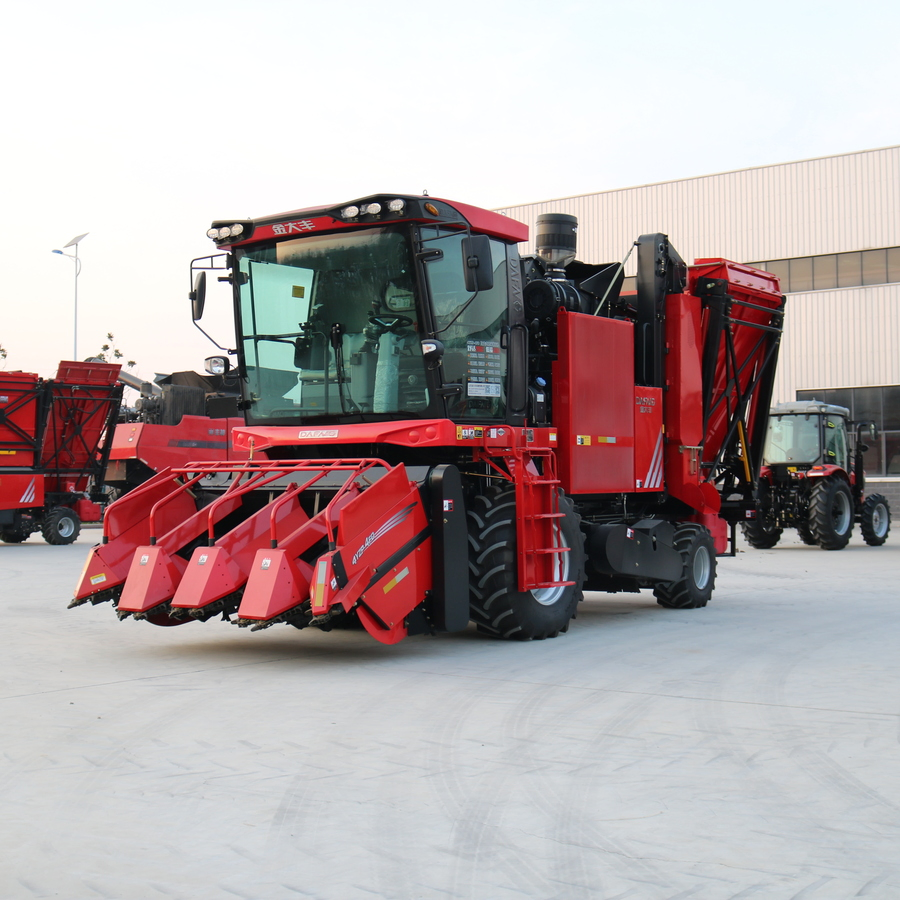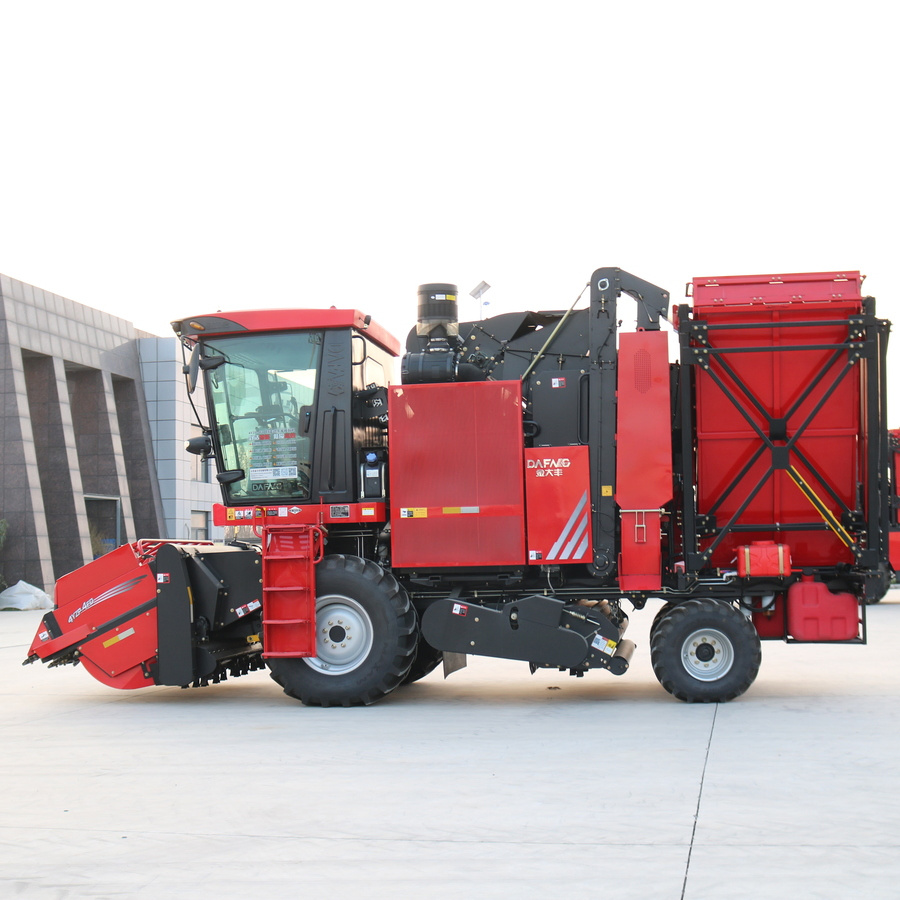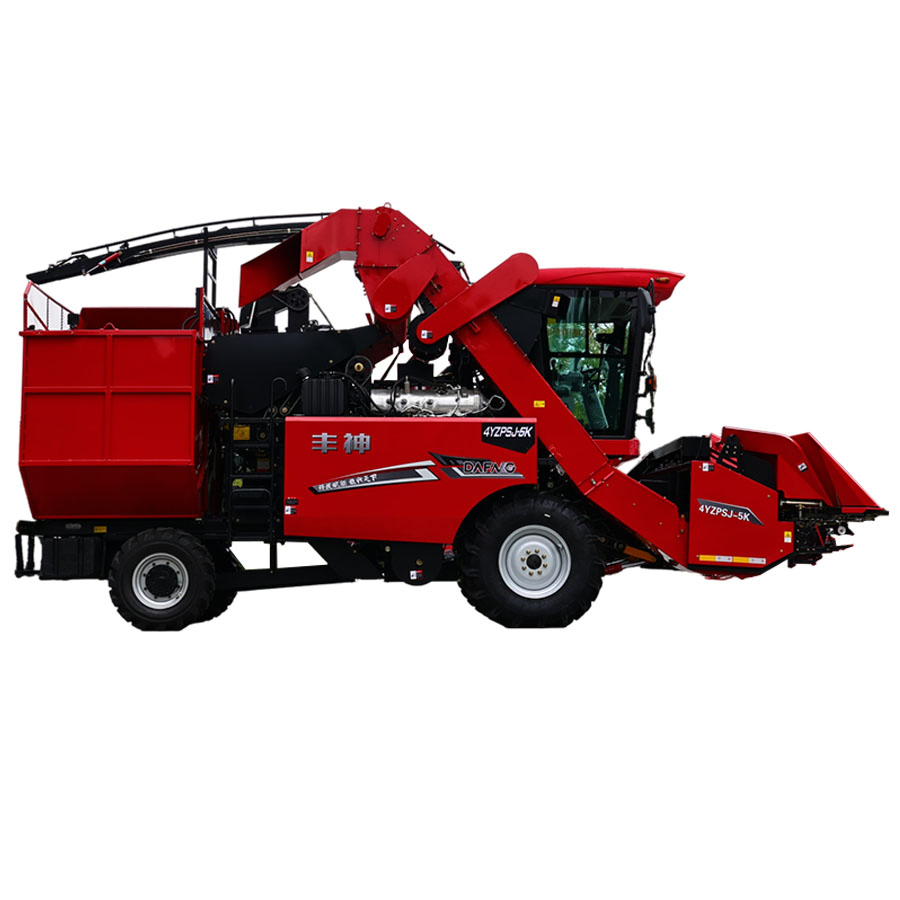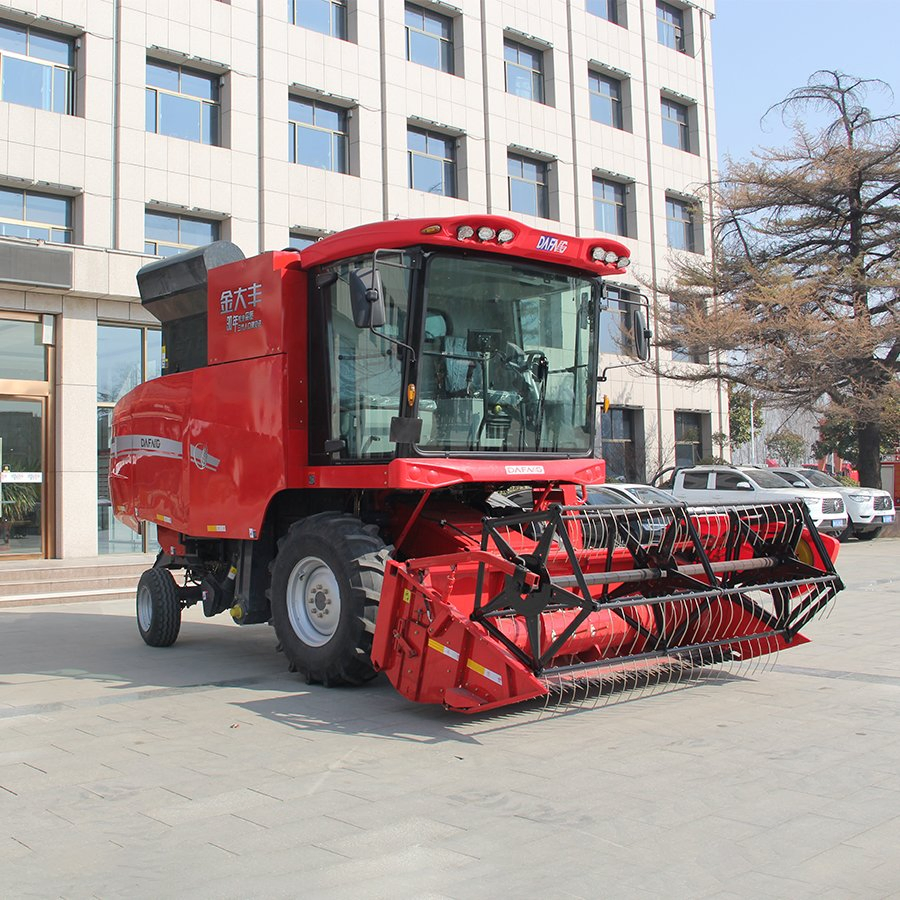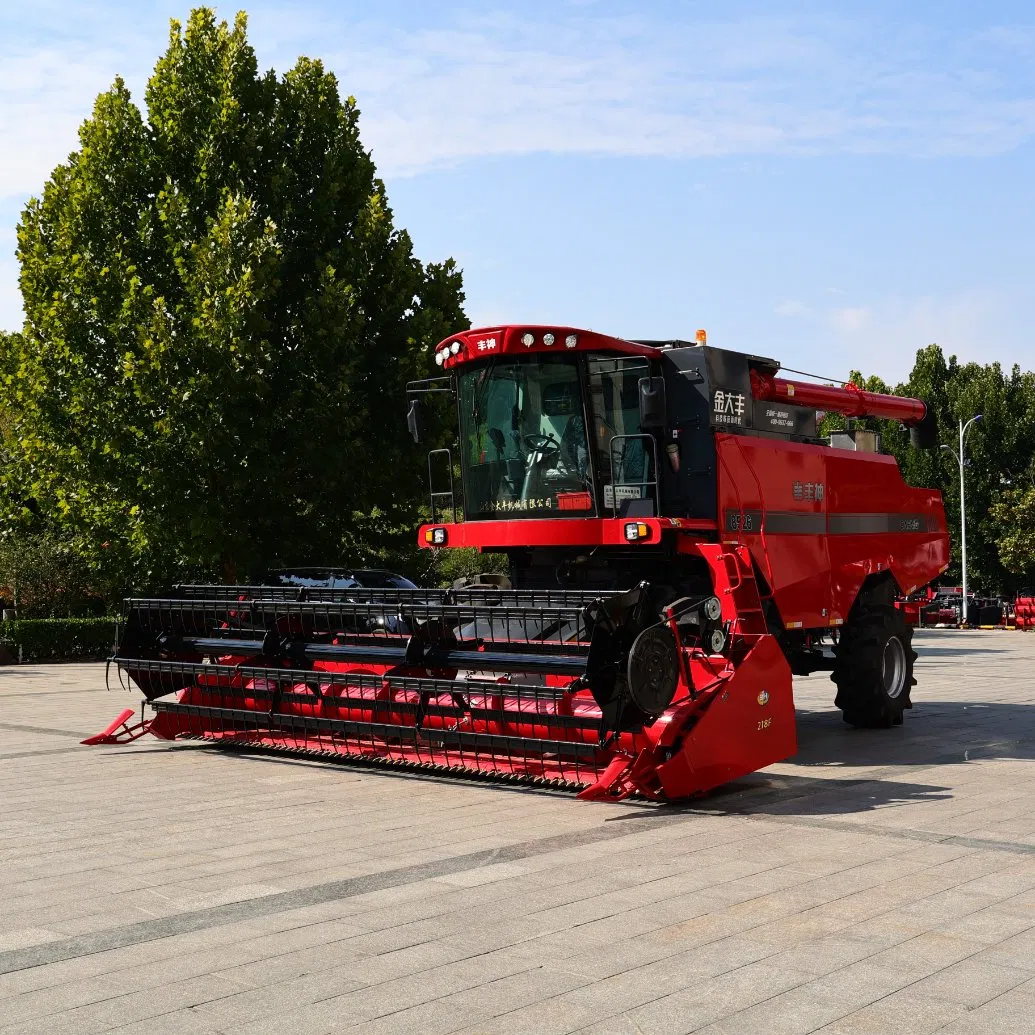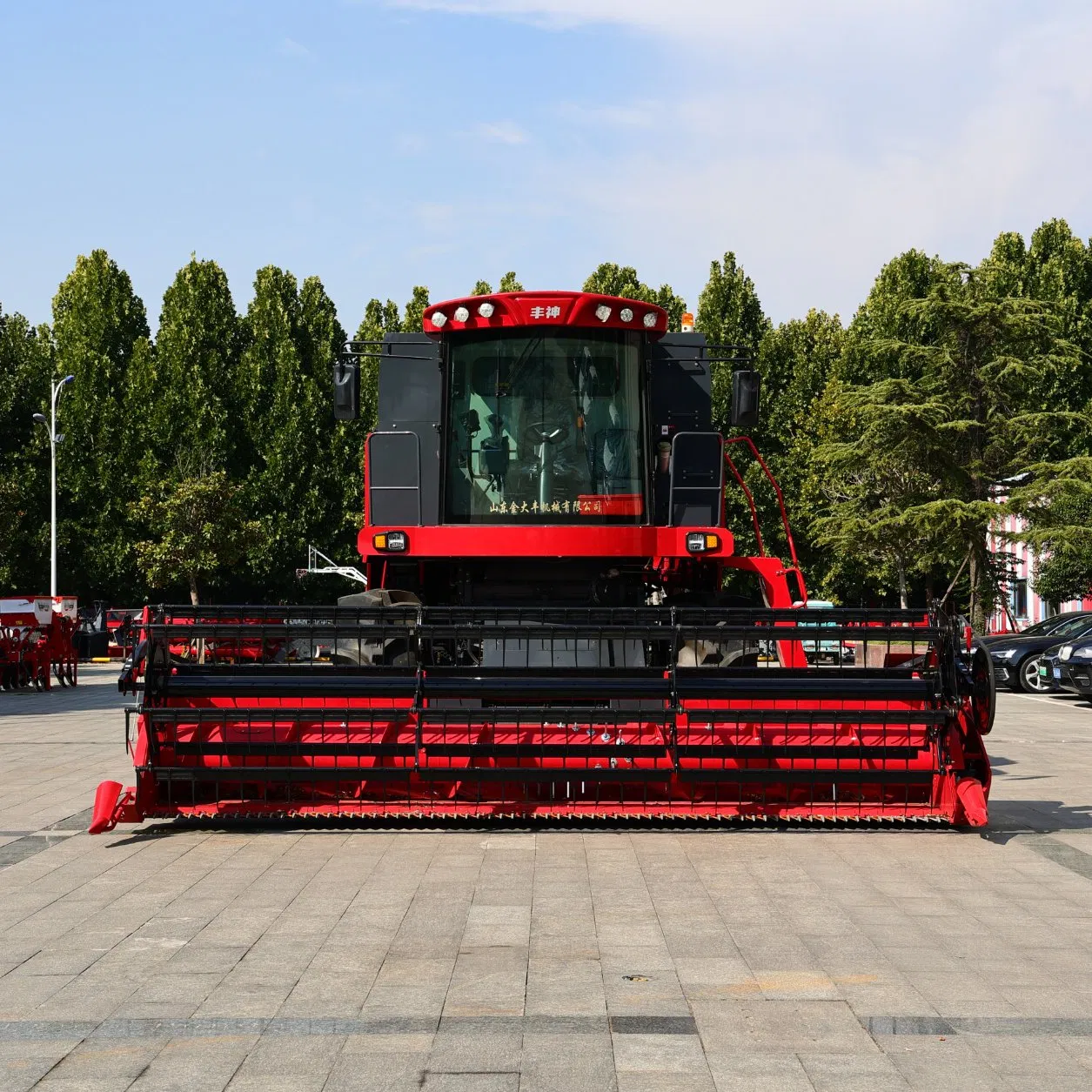
Buying a bigger tractor isn’t always the smartest decision. The real question is whether the tractor has enough power to improve productivity without creating unnecessary operating costs. For many commercial farms, that decision often leads to one horsepower class—the 240 horsepower tractor.
A 240HP tractor bridges the gap between medium-sized agricultural tractors and ultra-high-horsepower machines. It delivers the strength required for demanding field operations while remaining practical for many grain producers, contractors, and large-scale farming businesses.
If you’re wondering whether a 240 horsepower tractor is the right fit for your operation, this guide explains where it performs best, which farms benefit most, and what buyers should evaluate before making an investment.
Why More Farmers Are Moving into the 240HP Class
As farms become larger, equipment naturally follows the same trend. Implements continue to increase in working width, planting windows become shorter, and labor costs continue to rise. Rather than simply adding more tractors, many farms choose one machine capable of doing more work each day.
Higher Productivity Without Entering the Extreme HP Market
While tractors above 400 horsepower attract attention, they are not always necessary. A 240 horsepower farm tractor already provides enough pulling force for many demanding agricultural operations while remaining easier to transport, maintain, and finance.
Built for Long Working Days
Commercial farms often operate tractors for ten to sixteen hours during peak seasons. A tractor in the 240HP class is designed to maintain stable performance throughout these long working periods, even under heavy loads.
| Comparison | 160HP Tractor | 240HP Tractor |
|---|---|---|
| Large Field Productivity | Good | Excellent |
| Heavy Deep Tillage | Very Good | Excellent |
| Wide Implements | Medium Width | Large Width |
| Commercial Farming | Suitable | Highly Suitable |
| Future Expansion | Limited | Excellent Capacity |
What Can a 240 Horsepower Tractor Really Handle?
A 240HP agricultural tractor is designed for demanding work where productivity matters more than simply moving from one field to another.
Heavy Tillage
Deep ripping, large cultivators, heavy disc harrows, and subsoilers require consistent pulling power. A 240HP tractor allows operators to maintain working speed while reducing wheel slip and increasing daily field coverage.
Large Planting Equipment
Modern planting equipment continues to become wider and more productive. A tractor with around 240 horsepower can comfortably handle larger planters and seed drills that smaller tractors may struggle to pull efficiently.
High-Capacity PTO Applications
Many commercial operations depend on PTO-driven machinery throughout the season. A properly configured 240HP tractor can power equipment such as:
- Large rotary cutters
- Heavy-duty balers
- High-capacity grain carts
- Large fertilizer spreaders
- Wide boom sprayers
- Silage processing equipment
Road Transport
Harvest season often involves transporting heavy grain trailers over long distances. The additional engine torque and stability of a 240 horsepower tractor make transport work faster and more efficient, especially when fields are spread across multiple locations.
Is a 240HP Tractor Too Large for Your Farm?
This is one of the most common questions buyers ask. More horsepower always sounds attractive, but purchasing a tractor that is larger than necessary can increase operating costs without improving overall profitability.
When 240HP Makes Sense
A 240HP tractor is often the right choice if your farm:
- Operates hundreds of hectares each season.
- Uses wide cultivation or planting equipment.
- Works heavy clay or difficult soil.
- Needs to reduce field passes and save labor.
- Provides agricultural contracting services.
When a Smaller Tractor May Be Enough
If your farm mainly performs transport work, orchard operations, livestock support, or light cultivation, a 100HP or 160HP tractor may deliver better value.
The goal is not to buy the biggest tractor possible. The goal is to buy the tractor that allows your business to operate more efficiently.
What Should Buyers Look for Besides Horsepower?
Horsepower is only one specification. A productive tractor depends on how every component works together.
Hydraulic Performance
Large implements require strong hydraulic flow and lifting capacity. Before purchasing a tractor, confirm that the hydraulic system matches the equipment you plan to operate.
Transmission
Commercial farming requires smooth power delivery under changing field conditions. Modern transmissions improve fuel efficiency while helping operators maintain consistent working speeds.
Tires and Ballast
Traction determines how effectively horsepower reaches the ground. Correct ballast and tire selection improve pulling performance while reducing unnecessary wheel slip.
Dealer Support
Downtime during planting or harvest can be expensive. Reliable spare parts availability and responsive after-sales support should always be considered alongside machine specifications.
| Buying Factor | Why It Matters |
|---|---|
| Engine Power | Supports heavy field operations |
| Hydraulic Capacity | Required for larger implements |
| Transmission | Improves field efficiency |
| Tires | Increase traction and reduce slippage |
| After-Sales Support | Reduces downtime during busy seasons |
A Practical Choice for Growing Commercial Farms
Many buyers eventually discover that the 240 horsepower tractor represents one of the best balances between performance and investment. It offers enough power for demanding agricultural work while remaining practical for many commercial farming operations.
King-Gold Dafeng manufactures agricultural tractors for farms of different sizes, from compact utility models to heavy-duty commercial machines. If you’re comparing tractors in this horsepower range, browse our agricultural tractor collection to explore available configurations for large-scale farming.