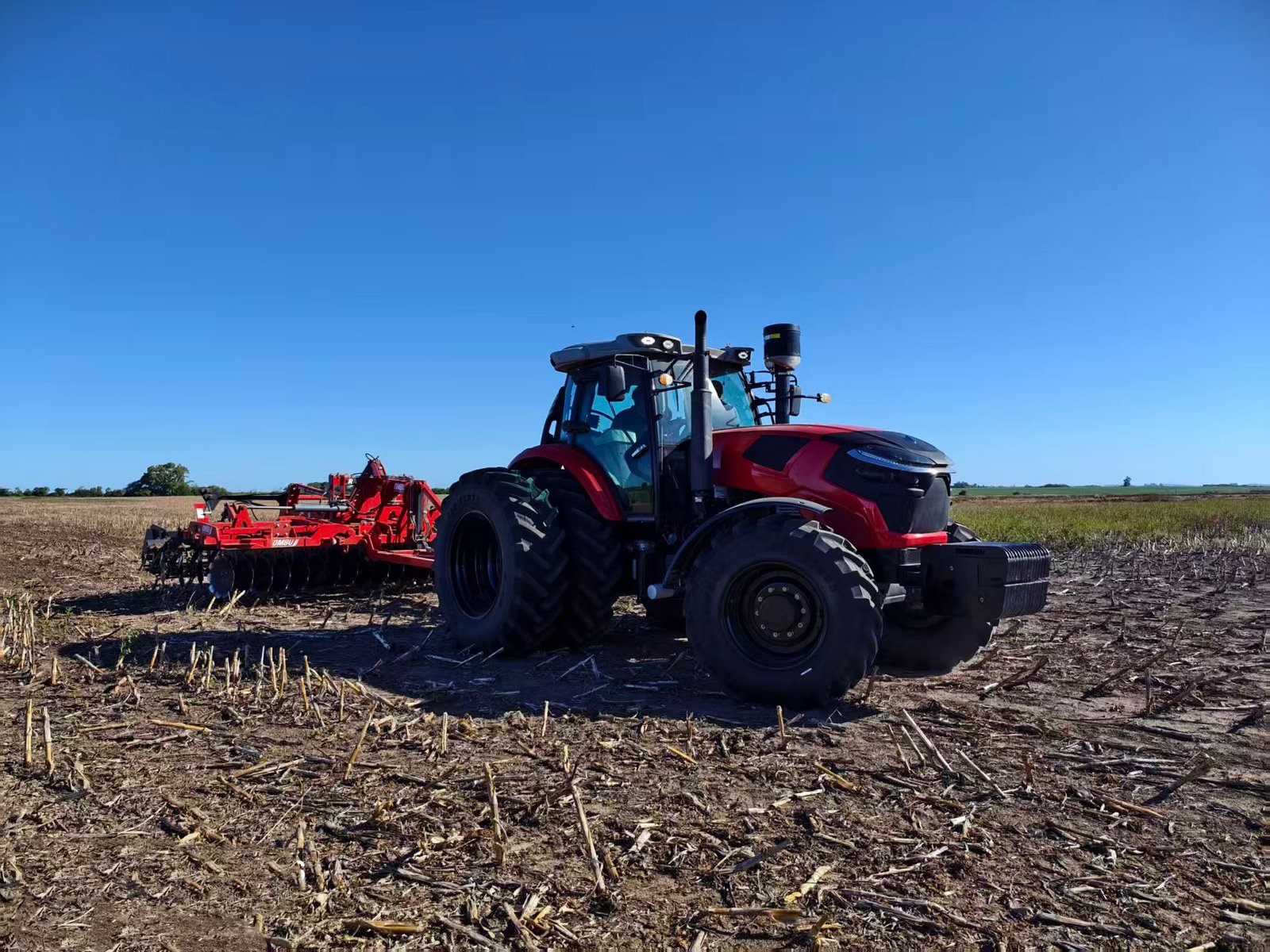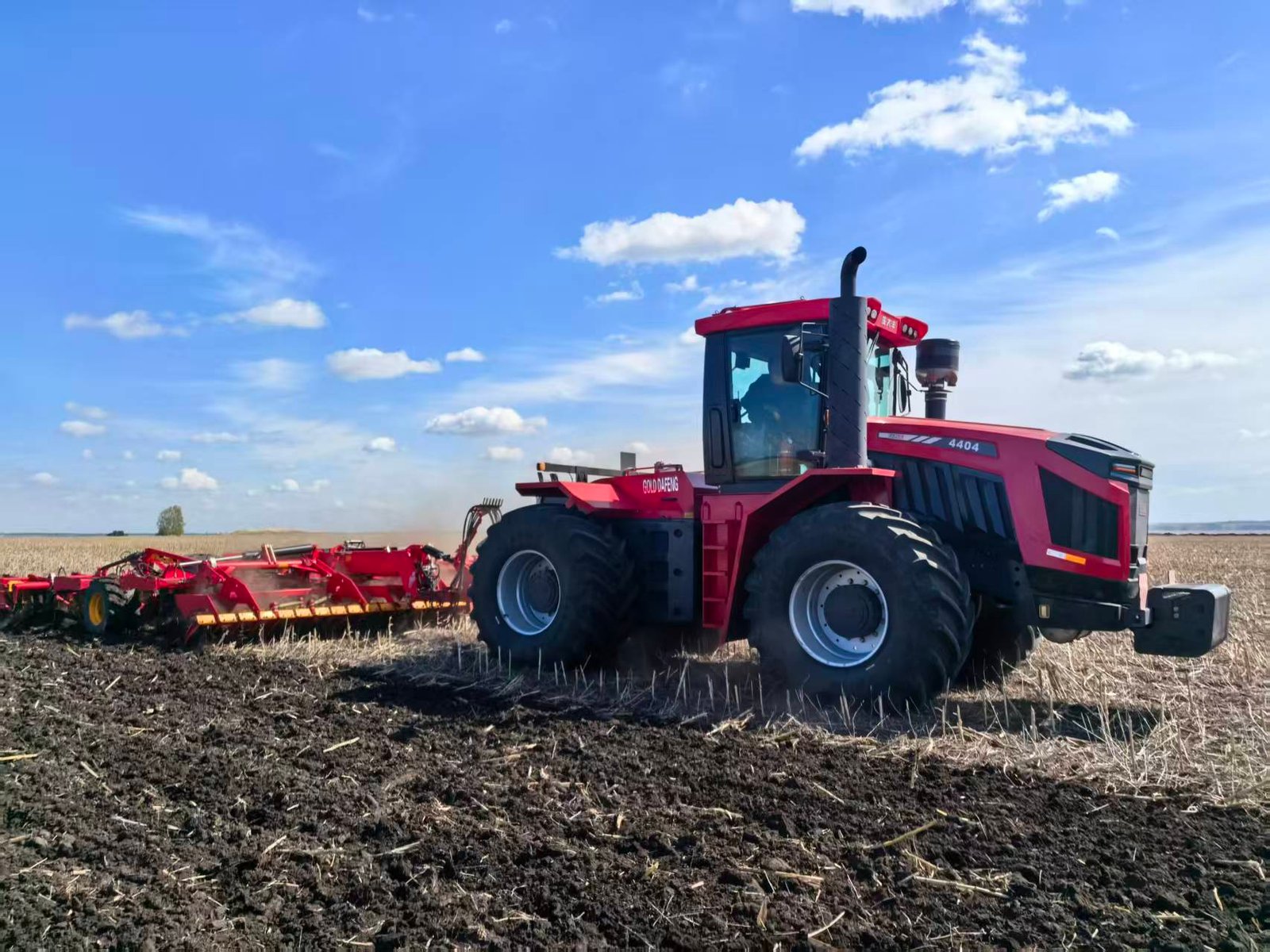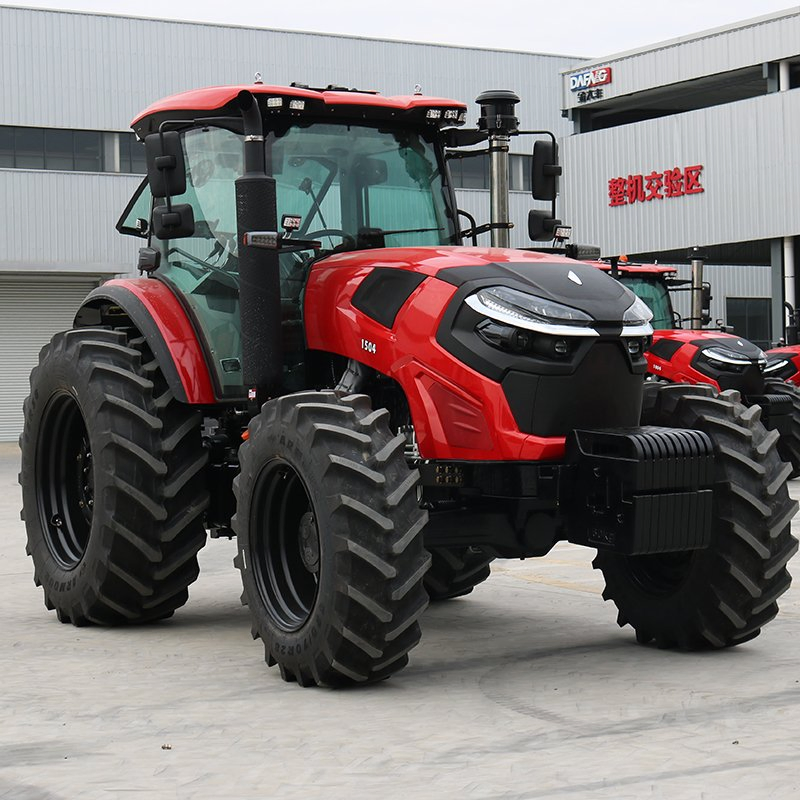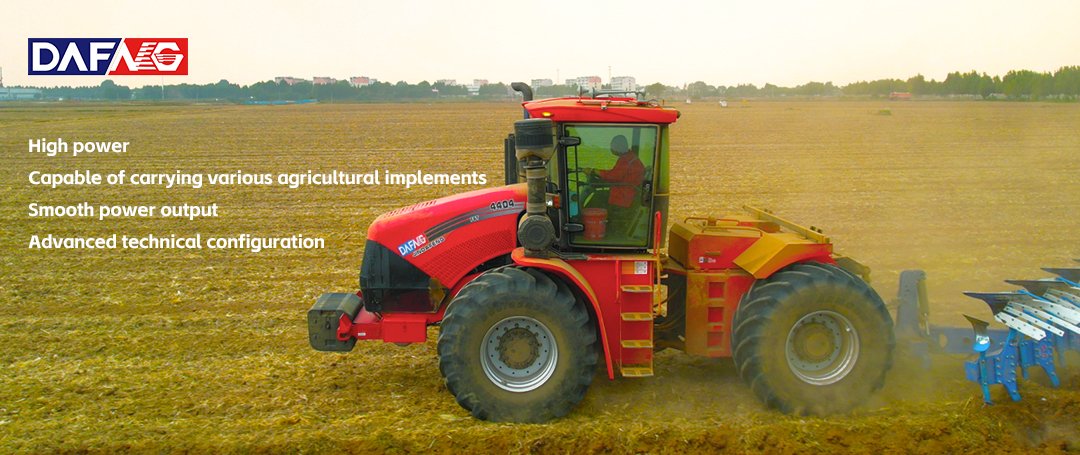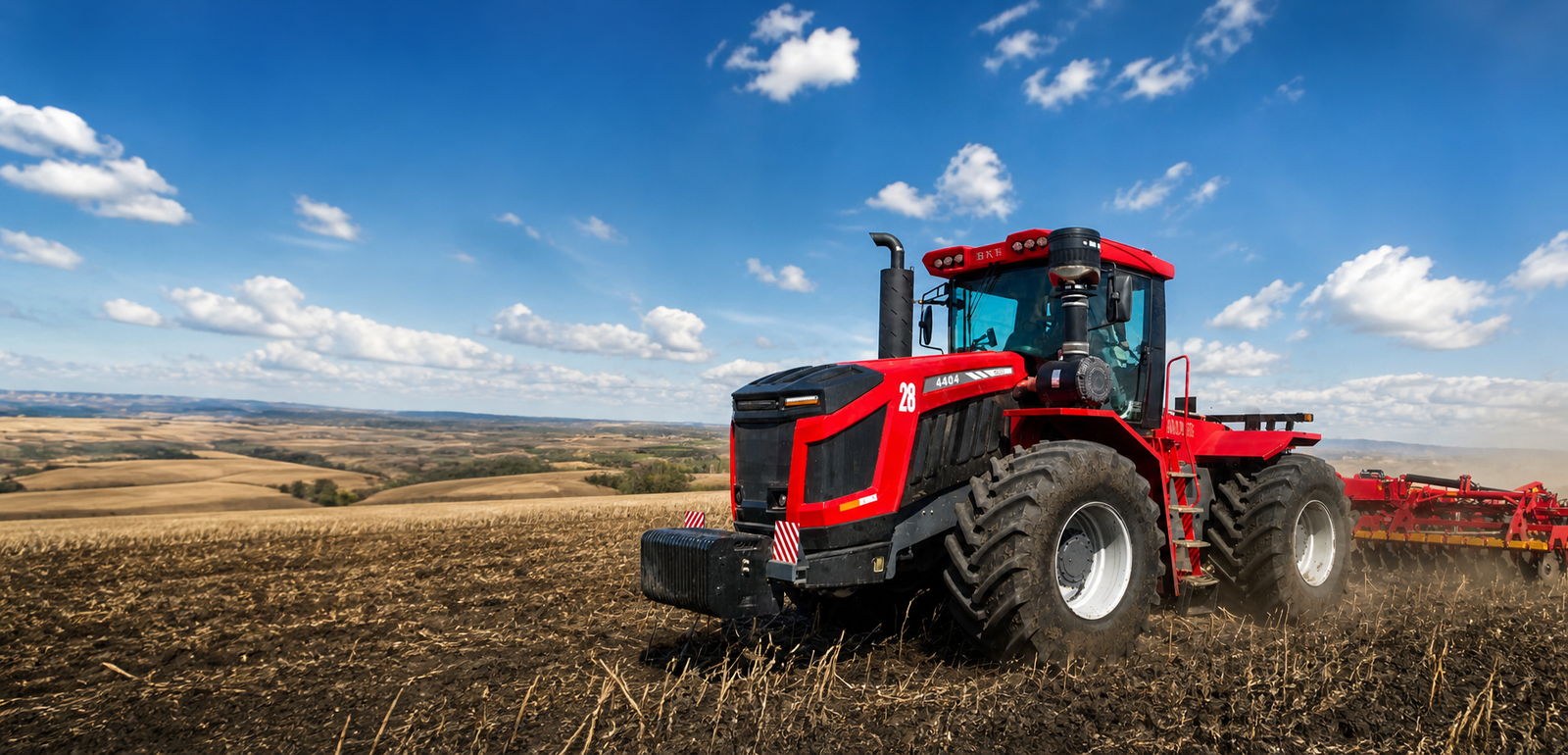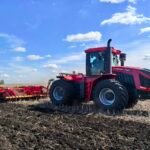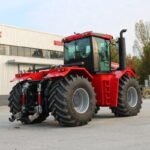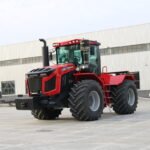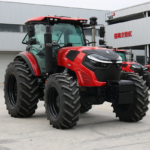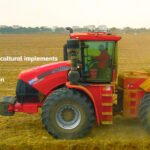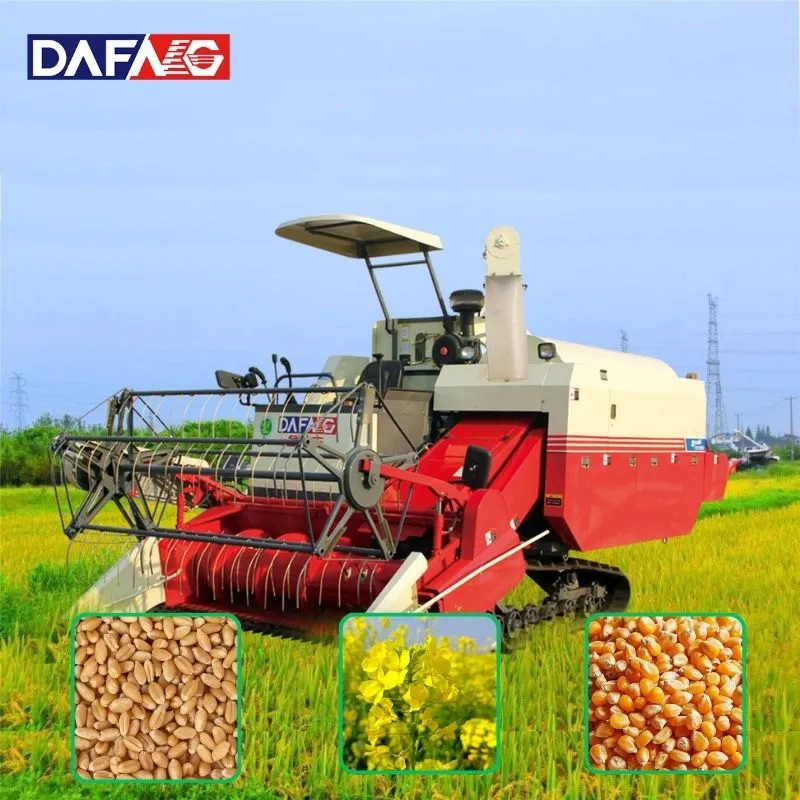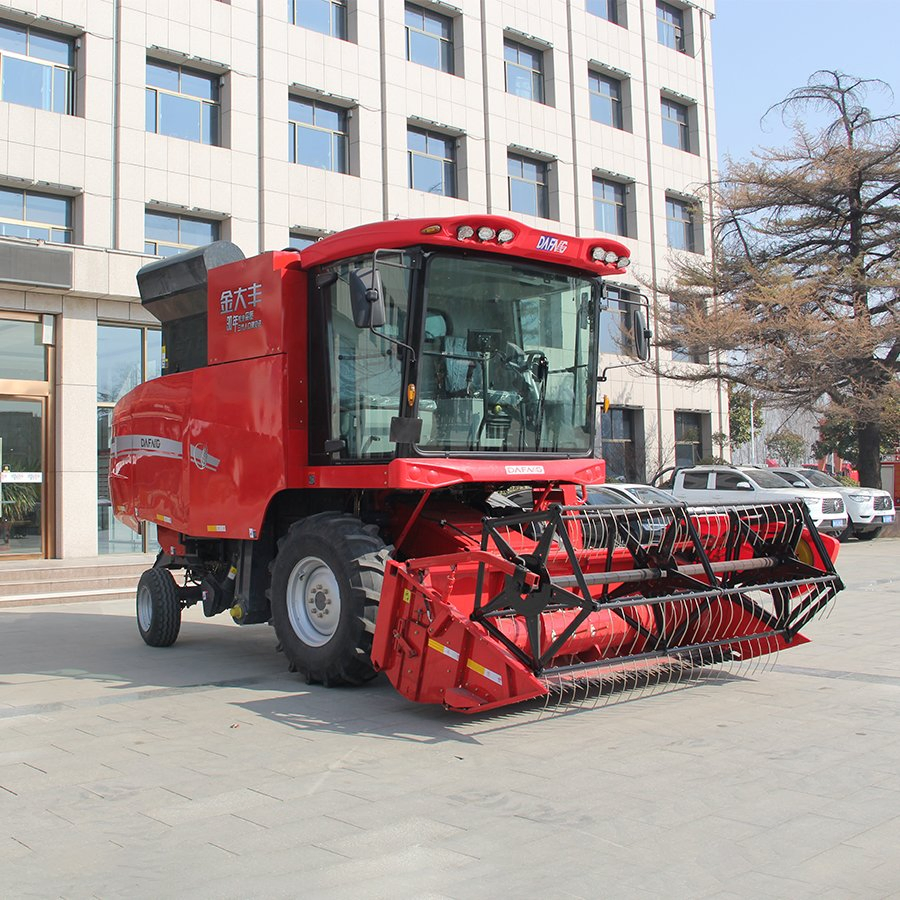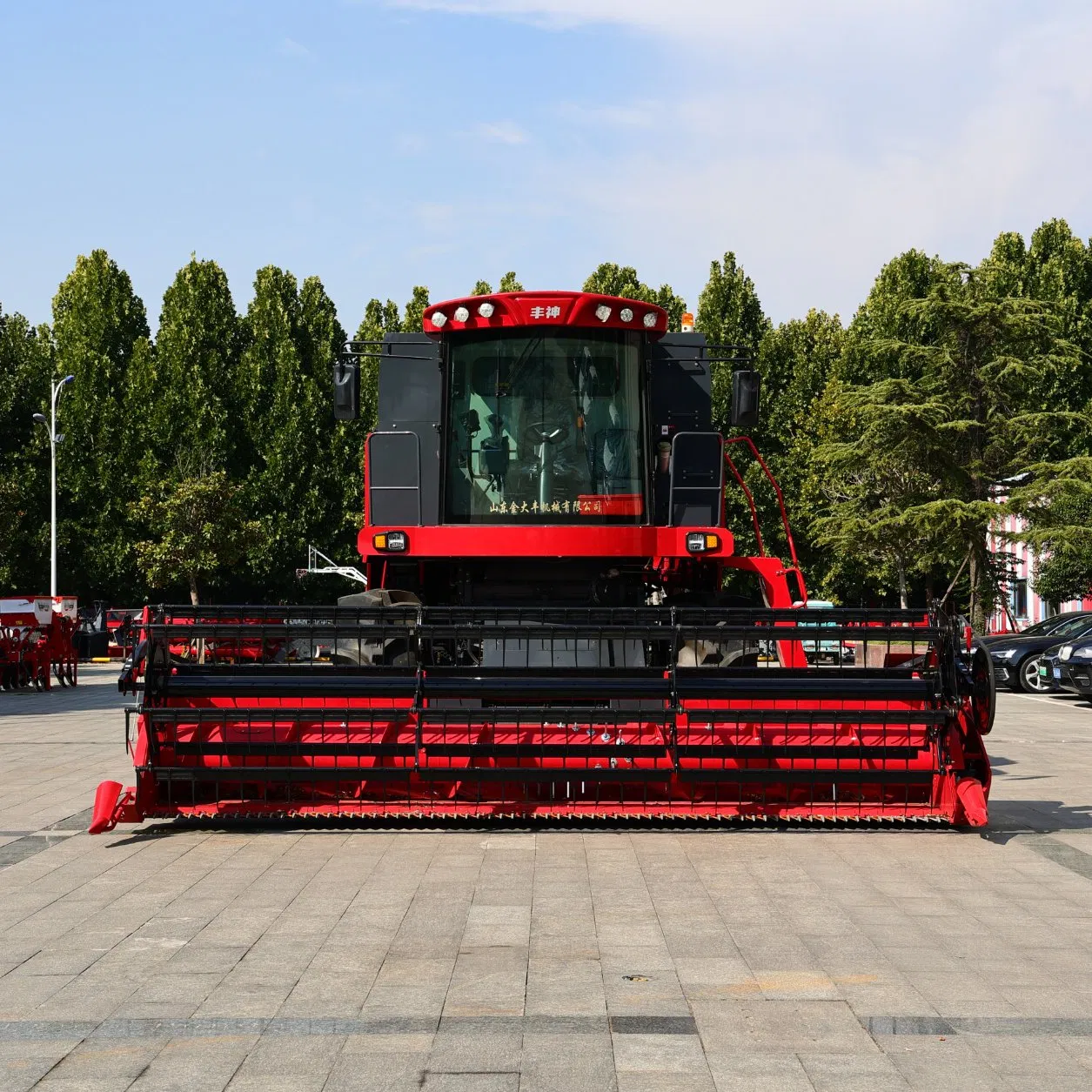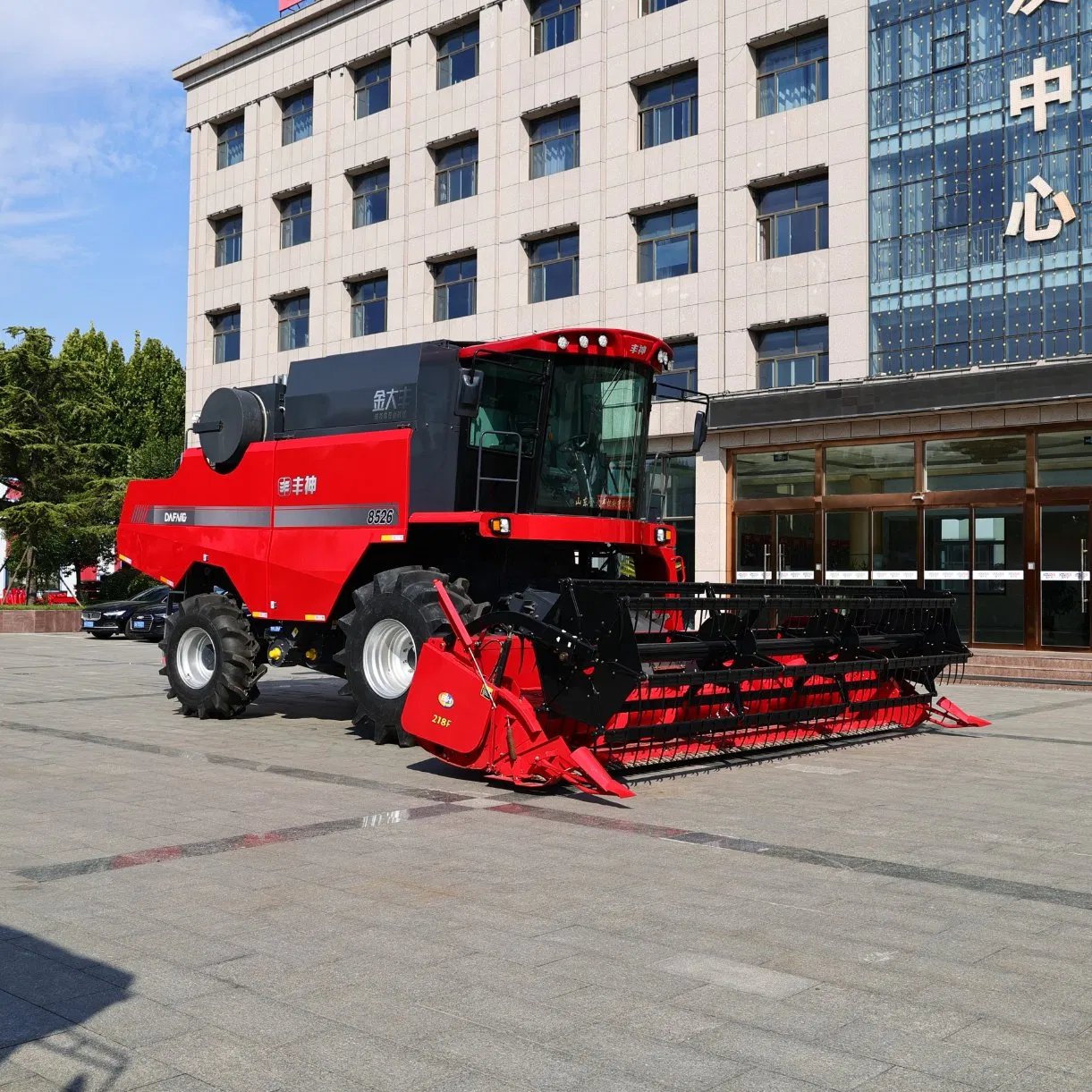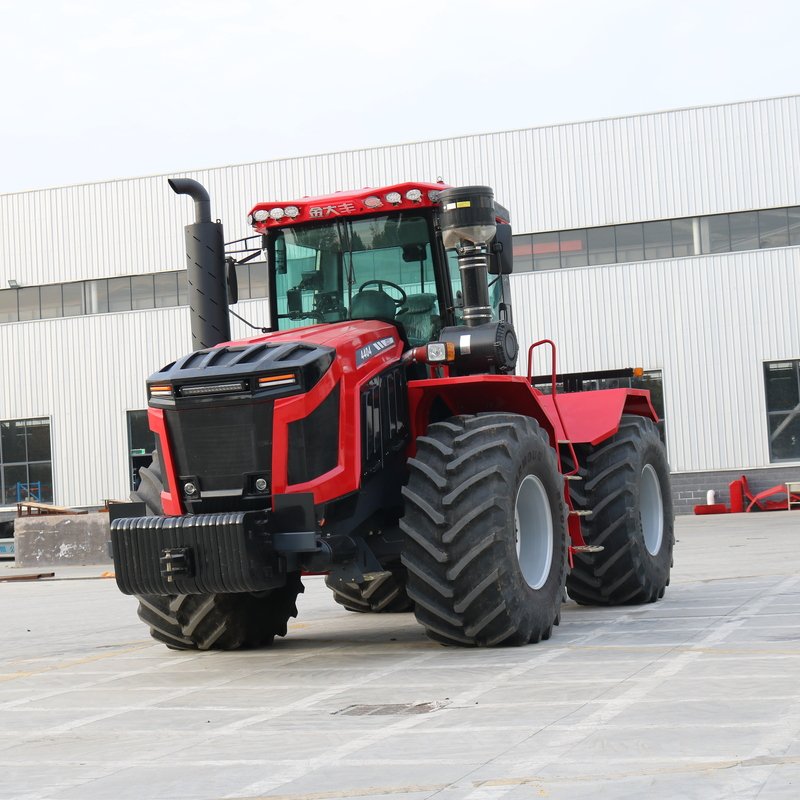
The term big green tractor is widely used by farmers, dealers, and machinery buyers when referring to large, powerful agricultural tractors, especially those designed for heavy-duty field operations. While it is not a technical model name, it has become a common search phrase that represents strength, durability, and high-capacity farming equipment.
In many cases, when people search for a big green tractor, they are actually looking for high-horsepower 4WD farm tractors used in plowing, tillage, planting, and large-scale commercial agriculture.
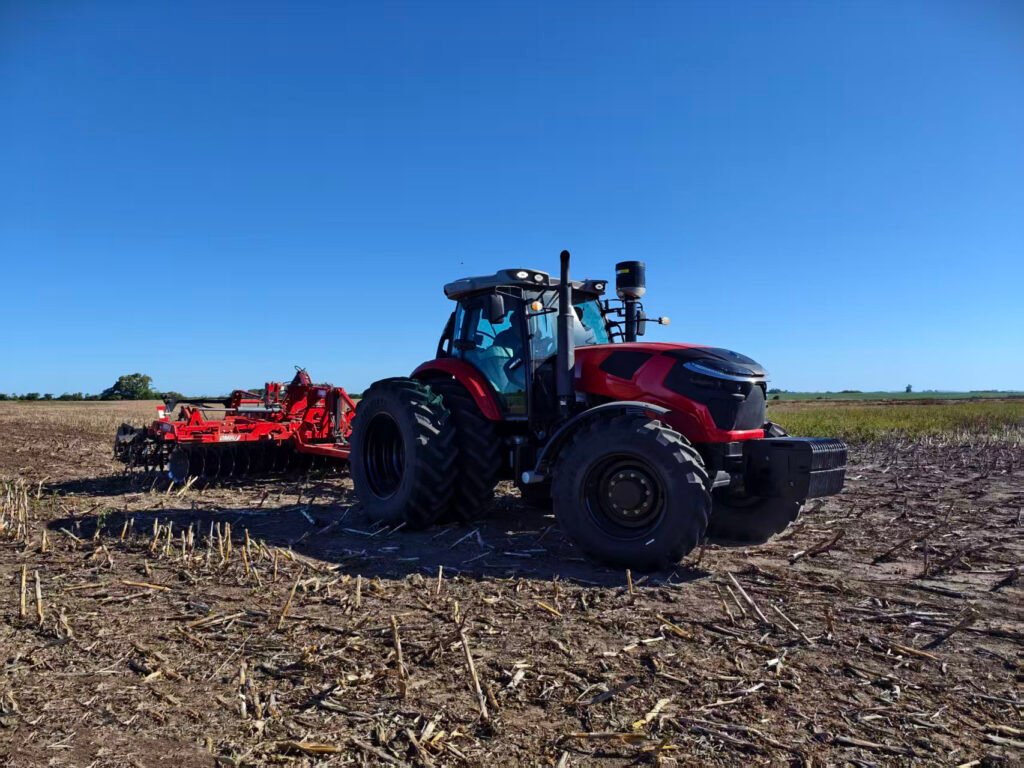
What Does “Big Green Tractor” Really Mean?
Unlike standard technical terms such as 100HP tractor or 4WD agricultural tractor, the phrase “big green tractor” is more visual and emotional. It is often associated with:
- Large horsepower farm tractors (160HP–440HP and above)
- Heavy-duty field machines used in commercial farming
- Powerful 4×4 tractors designed for deep tillage and large land areas
- Well-known green-colored tractors seen in global agriculture markets
For many users, this keyword reflects a general idea of a strong and reliable machine rather than a specific brand or model.
Common Applications of a Big Green Tractor in Agriculture
A big green tractor is typically used in demanding agricultural environments where smaller machines cannot perform efficiently. These tractors are designed for continuous heavy workloads.
1. Deep Plowing and Land Preparation
Large tractors are essential for breaking hard soil and preparing land before planting. High torque and strong traction allow them to work efficiently in tough soil conditions.
2. Heavy Tillage and Field Operations
In large farms, tillage equipment requires stable power output. Big tractors ensure consistent performance when pulling wide implements across large fields.
3. Seeding and Fertilizer Application
With advanced hydraulic and PTO systems, these tractors can operate modern seeding and fertilizing machinery with high precision and efficiency.
4. Transportation and Logistics on Farms
Large farms often use tractors for transporting crops, equipment, and materials across long distances within agricultural land.
Key Features of a Big Green Tractor
When evaluating a high-power agricultural tractor, buyers usually focus on several key technical systems that determine real working performance.
High Horsepower Engine
Most big tractors operate in the 160HP to 440HP range, providing enough power for heavy-duty agricultural applications and continuous field work.
4WD Driving System
A 4-wheel drive system is essential for traction in soft soil, muddy fields, and uneven terrain. It improves stability and reduces slippage during heavy operations.
PTO and Hydraulic Power
Modern tractors rely on PTO and hydraulic systems to operate implements such as plows, seeders, sprayers, and loaders. Strong hydraulic output increases versatility in the field.
Heavy-Duty Frame Structure
A reinforced chassis allows the tractor to withstand long working hours under high load conditions, especially in commercial farming environments.
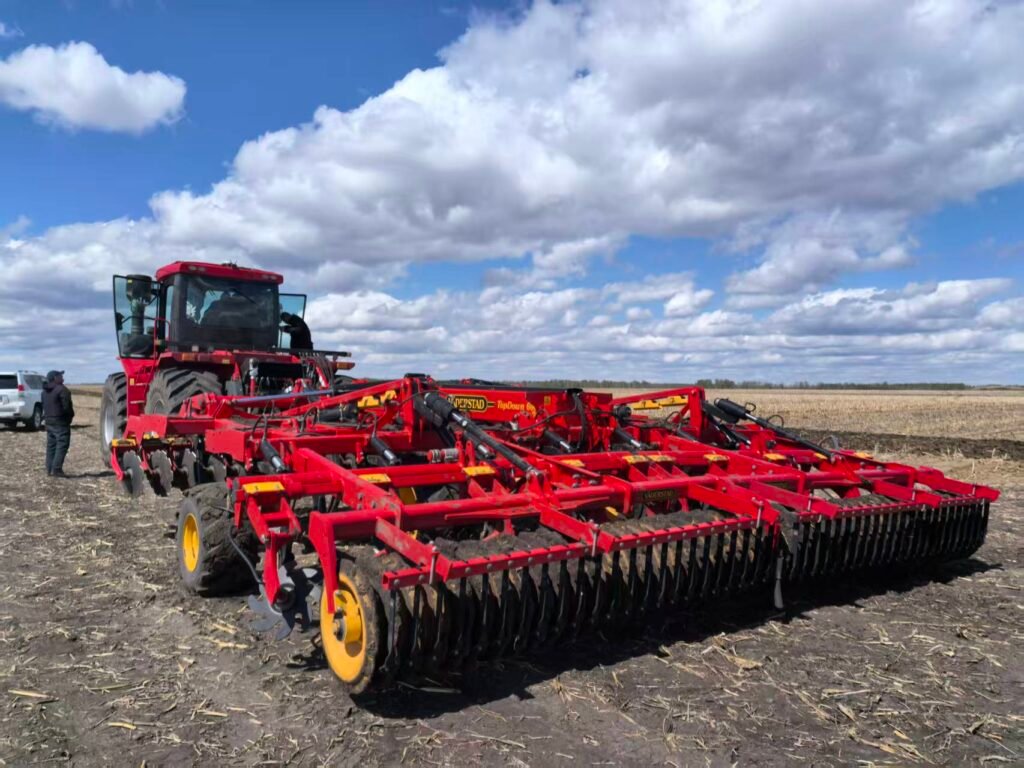
Why Farmers Search for “Big Green Tractor” Instead of Technical Terms
Search behavior in agriculture is often practical rather than technical. Many farmers do not search using exact specifications. Instead, they use visual or experience-based keywords.
“Big green tractor” is popular because it is:
- Easy to remember
- Visually descriptive
- Associated with powerful farming machines
- Used in videos, social media, and rural discussions
This makes it a high-value SEO keyword for agricultural machinery manufacturers targeting global buyers.
Big Green Tractor vs Standard Farm Tractor
| Feature | Big Green Tractor | Standard Farm Tractor |
|---|---|---|
| Horsepower | 160HP–440HP+ | 70HP–120HP |
| Application | Commercial farming, large fields | Small to medium farms |
| Working Load | Heavy-duty, continuous operation | Light to moderate tasks |
| Implement Size | Wide and industrial-grade tools | Standard farm implements |
Choosing the Right Big Green Tractor for Your Farm
Before purchasing a high-power tractor, buyers should evaluate their land size, soil condition, and working requirements. Choosing the wrong horsepower level may lead to either overinvestment or insufficient performance.
Key selection factors include:
- Farm size and crop type
- Soil hardness and terrain condition
- Required implements and working width
- Fuel efficiency and maintenance cost
Conclusion
The term big green tractor represents more than just a machine—it reflects the demand for powerful, efficient, and reliable agricultural equipment in modern farming. Whether for plowing, tillage, or large-scale commercial operations, these tractors play a critical role in improving productivity and reducing manual labor.
Understanding the technical features behind this concept helps buyers move from emotional search terms to informed purchasing decisions.