Many farmers, dealers and agricultural buyers ask the same question before making a purchase: which is the best tractor in India? The answer is not as simple as naming one brand or one model. India has different soil conditions, crop types, farm sizes, rainfall patterns and working habits. A tractor that works well in Punjab wheat fields may not be the best choice for small mixed farms in Maharashtra, orchard work in Himachal Pradesh or transport tasks in rural villages.
The best tractor in India should not only be powerful. It should be practical, fuel-efficient, stable in the field, easy to maintain and suitable for the farmer’s real work. For dealers and importers, the best tractor should also offer strong price competitiveness, consistent quality, spare parts support and long-term business value.
This guide explains how to choose the best tractor for Indian farming conditions and why buyers should look beyond brand popularity when comparing tractor options.
There Is No Single Best Tractor for Every Farmer
India is one of the most diverse agricultural markets in the world. Farmers grow wheat, rice, sugarcane, cotton, maize, pulses, vegetables, fruits and many other crops. Some farms need a compact tractor for small plots. Some need a 4WD tractor for heavy soil and wet field conditions. Others need a medium-power tractor for plowing, seeding, transport and PTO work.
That is why the best tractor depends on the job. A small farmer may need a cost-effective tractor with simple maintenance. A large farm may need more horsepower, stronger hydraulics and better traction. A dealer may need a tractor line that is easy to sell, reliable in local conditions and supported by a stable manufacturer.
Instead of asking only “Which brand is best?”, buyers should ask a more useful question: “Which tractor gives the best balance of power, quality, price and reliability for my farming needs?”
What Makes a Tractor the Best Choice in India?
A good tractor in India must handle real field work, not just look strong on paper. Buyers should compare several key factors before choosing a model.
- Horsepower: The tractor must match the farm size, soil type and implements.
- Fuel efficiency: Lower fuel consumption helps farmers reduce operating cost.
- Traction: 4WD can improve pulling power in wet soil, heavy soil and uneven terrain.
- PTO performance: A strong PTO is important for rotavators, threshers, pumps and other equipment.
- Hydraulic capacity: Better lifting power helps with plows, seeders and transport trailers.
- Maintenance: Simple service, durable parts and easy repair reduce downtime.
- Price value: The best tractor is not always the cheapest, but it should deliver strong value for money.
For many Indian farmers, the best tractor is the one that can work every day with stable performance. For B2B buyers, the best tractor should also help them build trust with customers and reduce after-sales problems.
Best Tractor Horsepower for Indian Farming
Horsepower is one of the first things buyers compare. However, higher horsepower is not always better. The right horsepower depends on the land size, crop type, soil condition and implements.
| Horsepower Range | Best For | Common Applications | Buyer Type |
|---|---|---|---|
| 40HP–60HP | Small and medium farms | Rotavator, light plowing, transport, basic PTO work | Individual farmers, small contractors |
| 70HP–100HP | Mixed farming and stronger field work | Plowing, tillage, seeding, trailer work, PTO operation | Growing farms, dealers, regional buyers |
| 120HP–160HP | Medium and large farms | Heavy tillage, wide implements, longer working hours | Large farmers, contractors, importers |
| 200HP–240HP | Large fields and heavy soil | Deep tillage, large implements, commercial field work | Commercial farms, agricultural service providers |
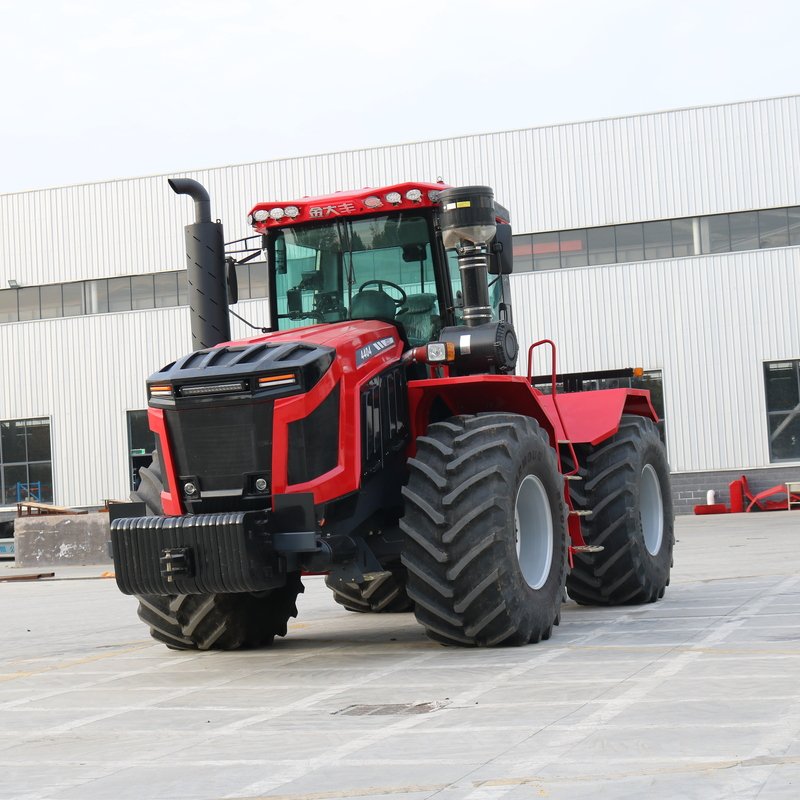
| 400HP–440HP | Large-scale commercial agriculture | Heavy-duty tillage, high-efficiency field operations, wide implements | Large projects, big farms, high-power tractor buyers |
For most daily farming work, buyers often focus on lower and medium horsepower tractors. However, demand for stronger tractors is growing in farms that need higher productivity, larger implements and better field efficiency.
2WD or 4WD: Which Tractor Is Better in India?
Many Indian farmers still use 2WD tractors because they are affordable and simple to maintain. For flat land, lighter soil and basic transport work, a 2WD tractor can be enough. It can also be easier for small farmers who want a lower entry cost.
However, 4WD tractors are becoming more attractive for buyers who need better traction and stronger field performance. A 4WD tractor can help reduce wheel slip, improve pulling ability and work more confidently in wet fields, heavy soil, sloped land and demanding tillage operations.
For buyers who want a long-term machine, 4WD can be a smarter investment. It may cost more at the beginning, but it can improve working efficiency and reduce fuel waste caused by poor traction. This is especially important for farmers using heavier implements or working in difficult field conditions.
If you are comparing tractor options for plowing, tillage, seeding and transport, a 4WD agricultural tractor may offer better value than a basic low-cost machine.
Why Price Alone Should Not Decide the Best Tractor
Some buyers look only for the lowest tractor price. This is understandable, especially when farmers need to control investment. But the cheapest tractor is not always the most economical tractor.
A low-priced tractor may become expensive if it has weak components, poor hydraulic performance, unstable quality or limited spare parts support. During the farming season, downtime can cost more than the price difference between two machines. A tractor that stops during plowing or harvesting preparation can delay the whole operation.
The best tractor should offer a better balance: reasonable price, dependable structure, stable engine performance, strong pulling power and easy maintenance. This is where value-for-money becomes more important than simply choosing the lowest quotation.
For farmers and dealers, a tractor with stable quality can reduce repair frequency, improve customer confidence and support repeat business. That is why many professional buyers now compare total ownership cost, not only purchase price.
Why Stability Matters in Indian Field Conditions
Indian farms can be demanding. Tractors may work in dry soil, wet paddy fields, dusty roads, heavy loads and long daily operating hours. In many villages, one tractor may handle multiple jobs: plowing in the morning, transport in the afternoon and PTO work during another season.
For this reason, stability is one of the most important factors when choosing the best tractor. A stable tractor should have a reliable engine, strong transmission, durable chassis, suitable tires and dependable hydraulic system.
Buyers should pay attention to the parts that carry real working pressure. Engine quality, gearbox strength, axle durability and hydraulic lifting capacity all affect field performance. A tractor with good stability may not always be the cheapest option, but it usually brings better long-term value.
How King-Gold Dafeng Fits Indian Buyer Needs
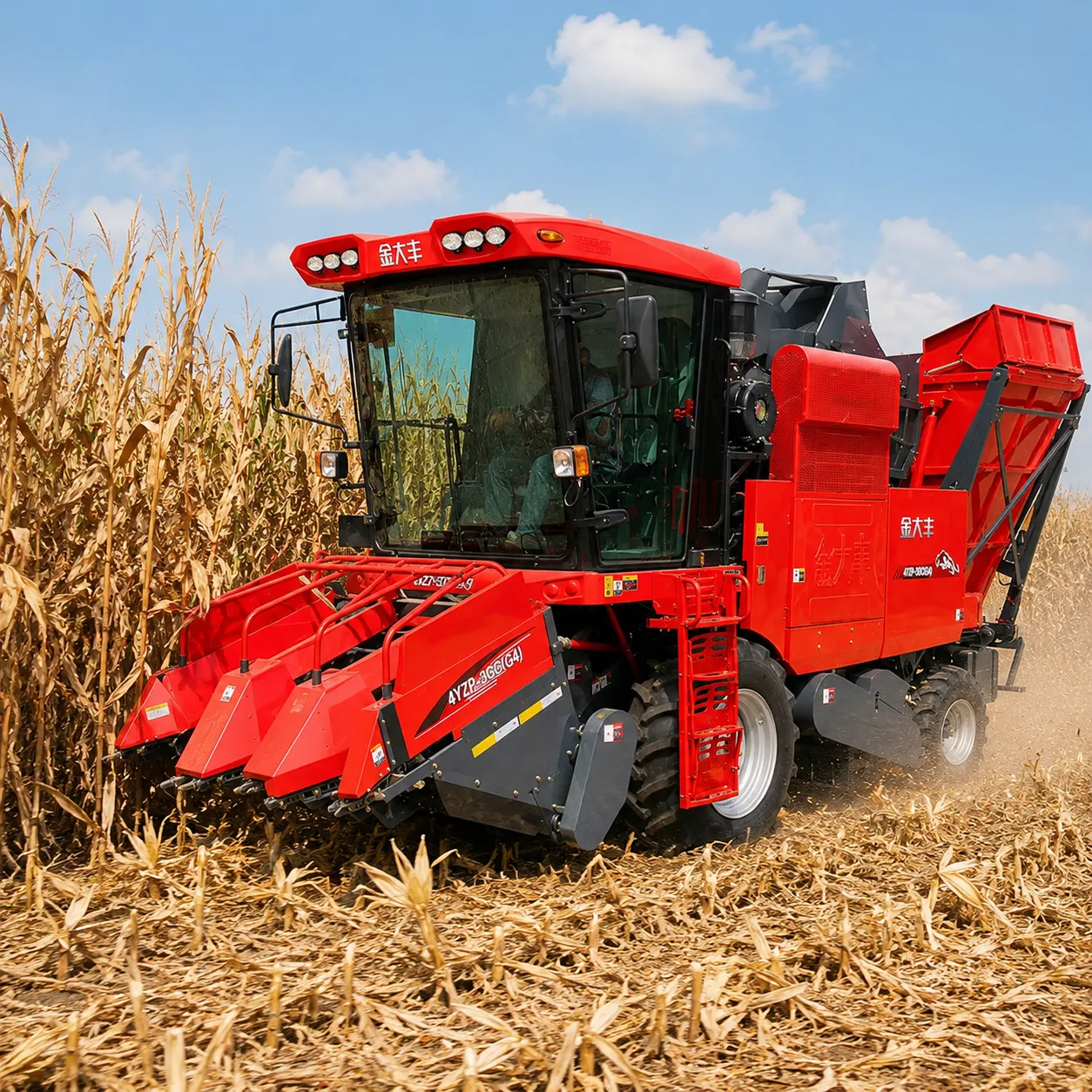
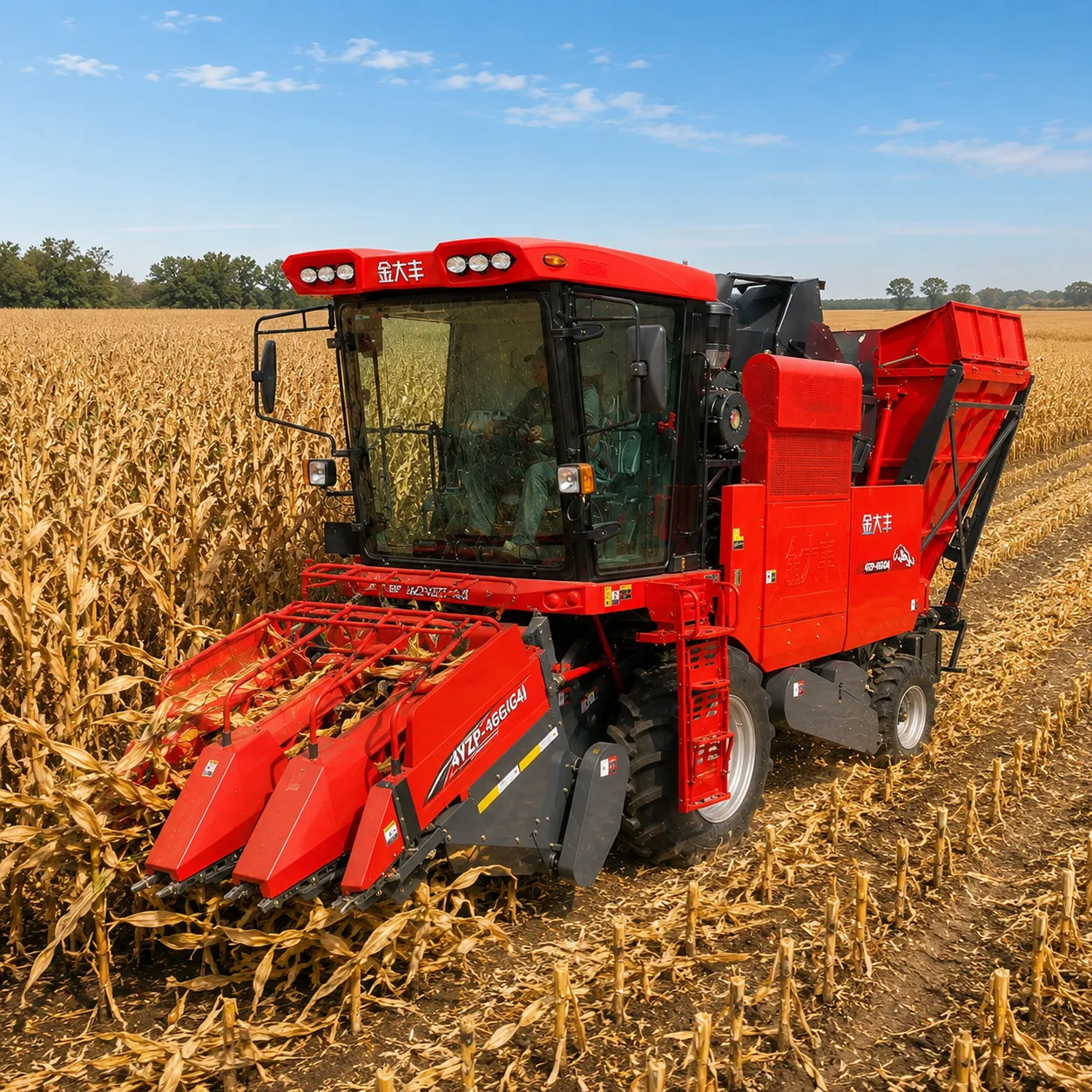
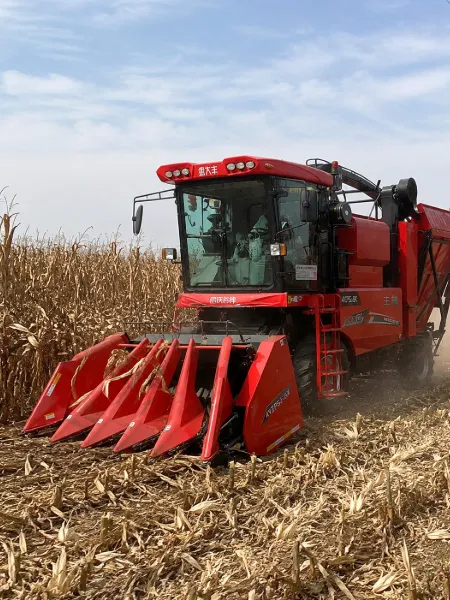
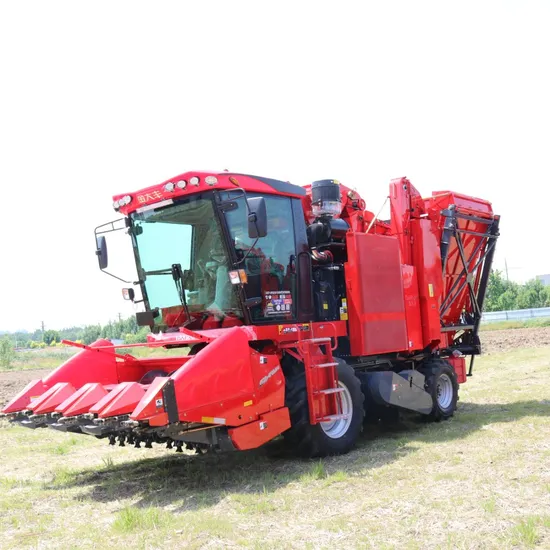
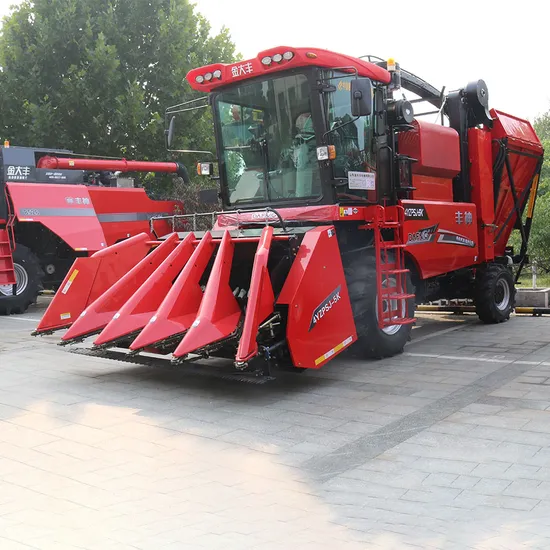
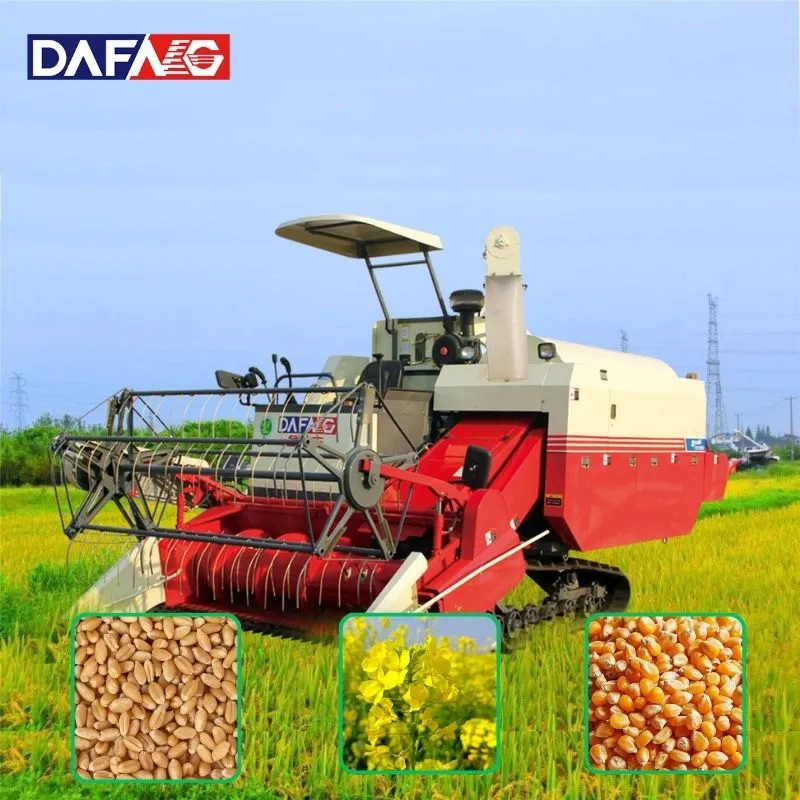
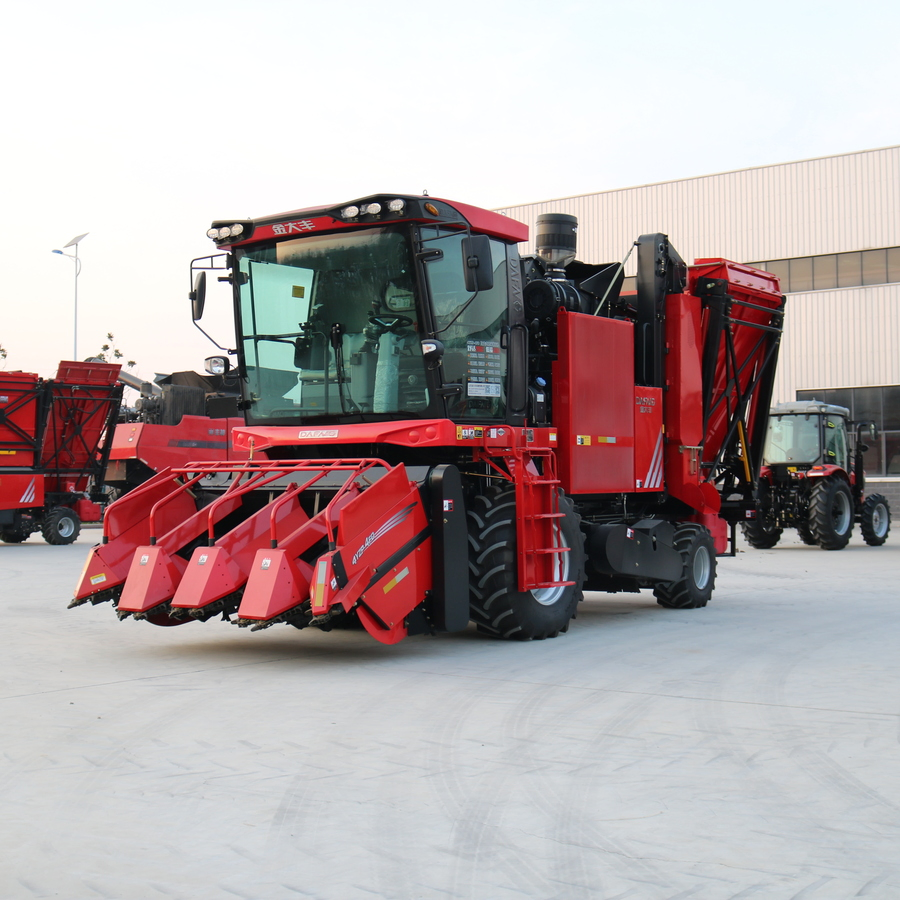
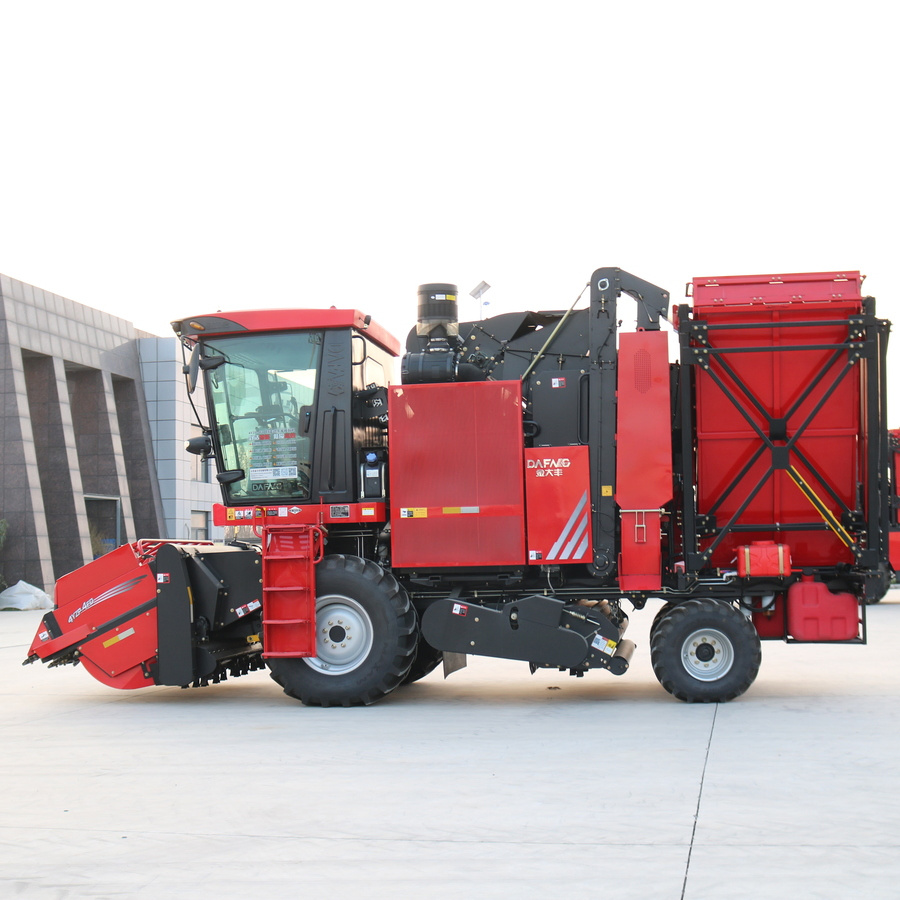
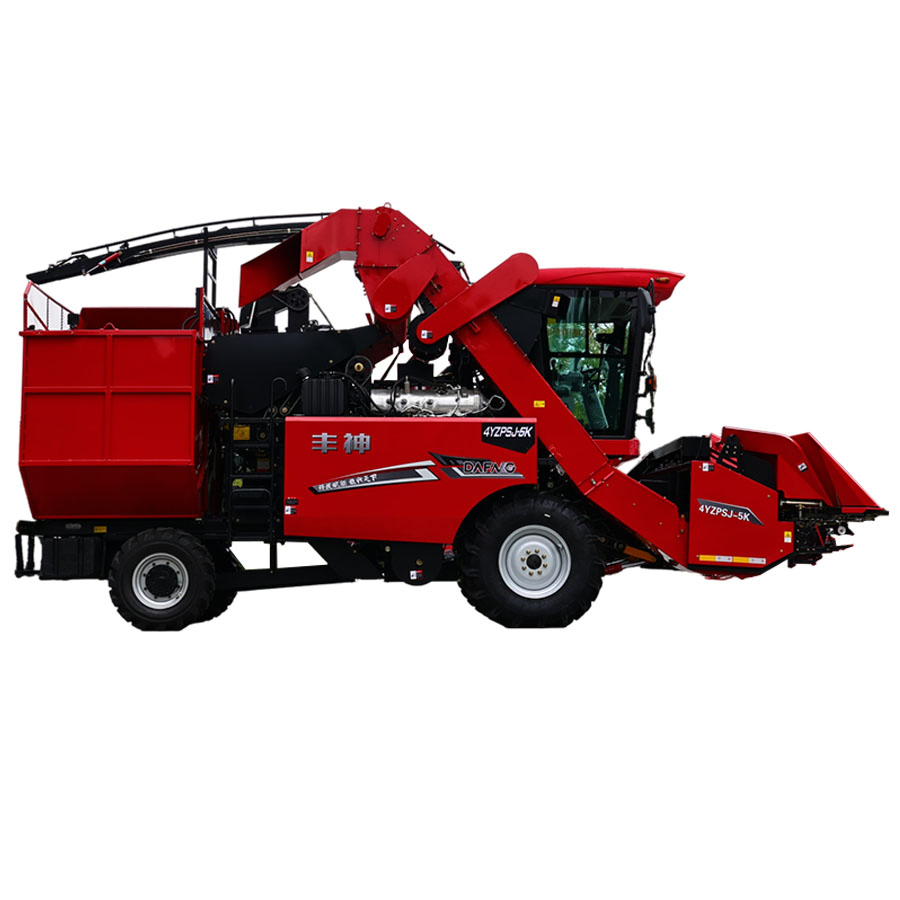
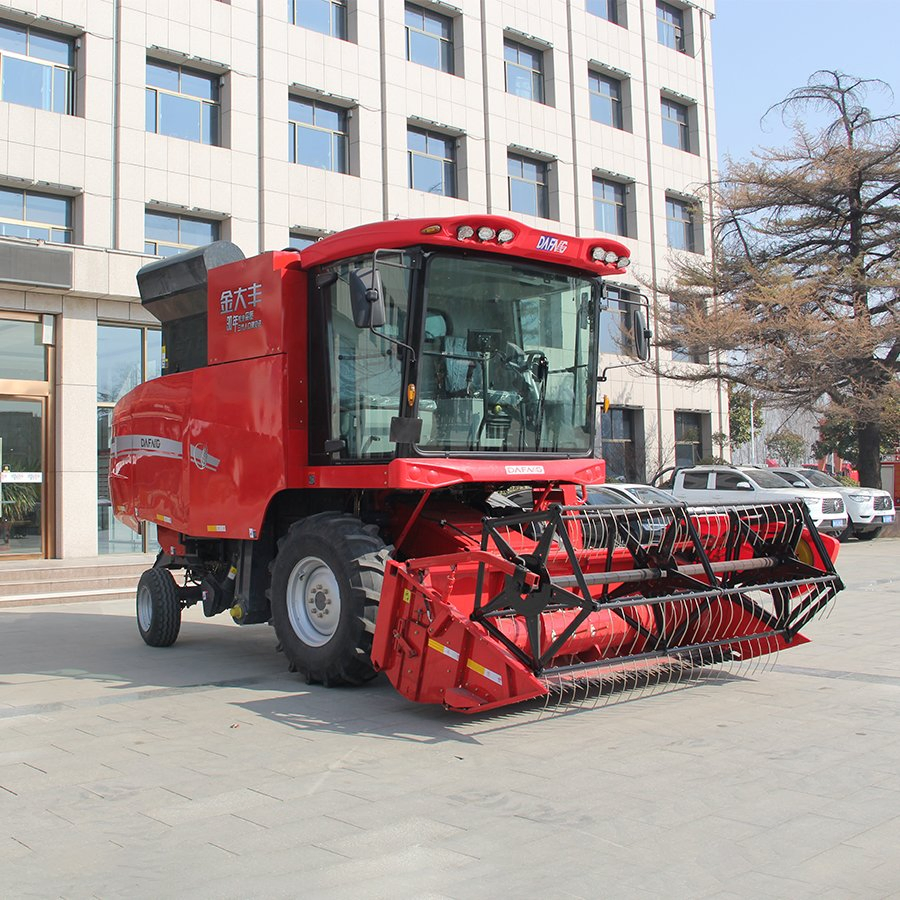
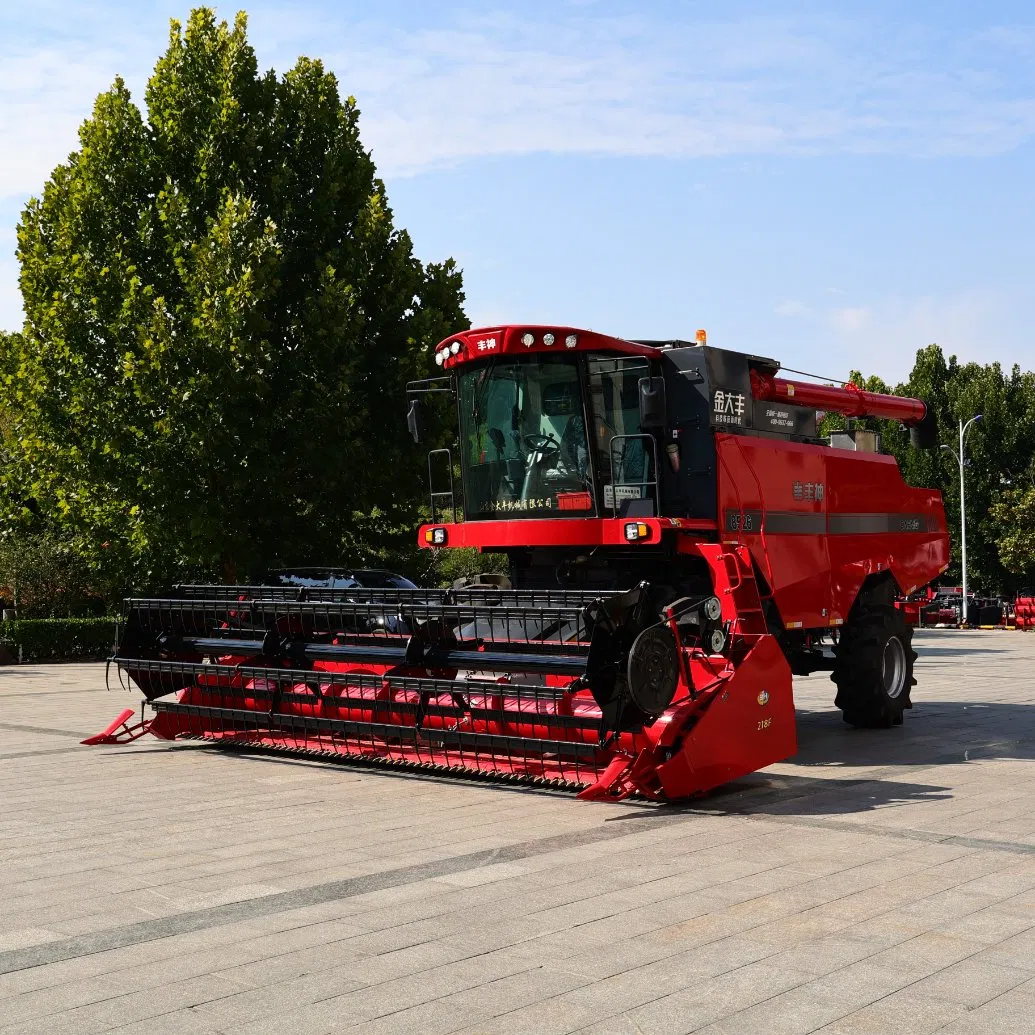
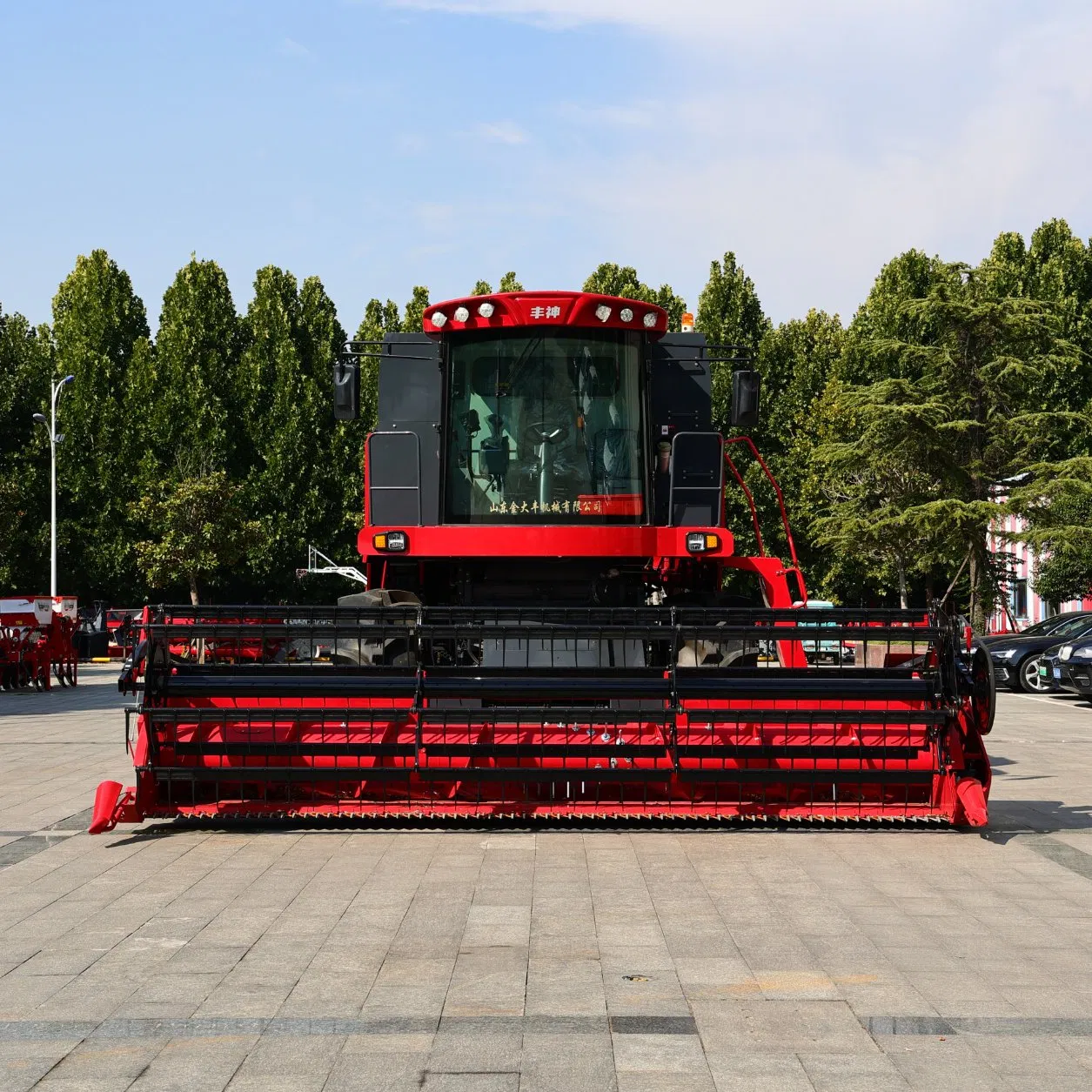
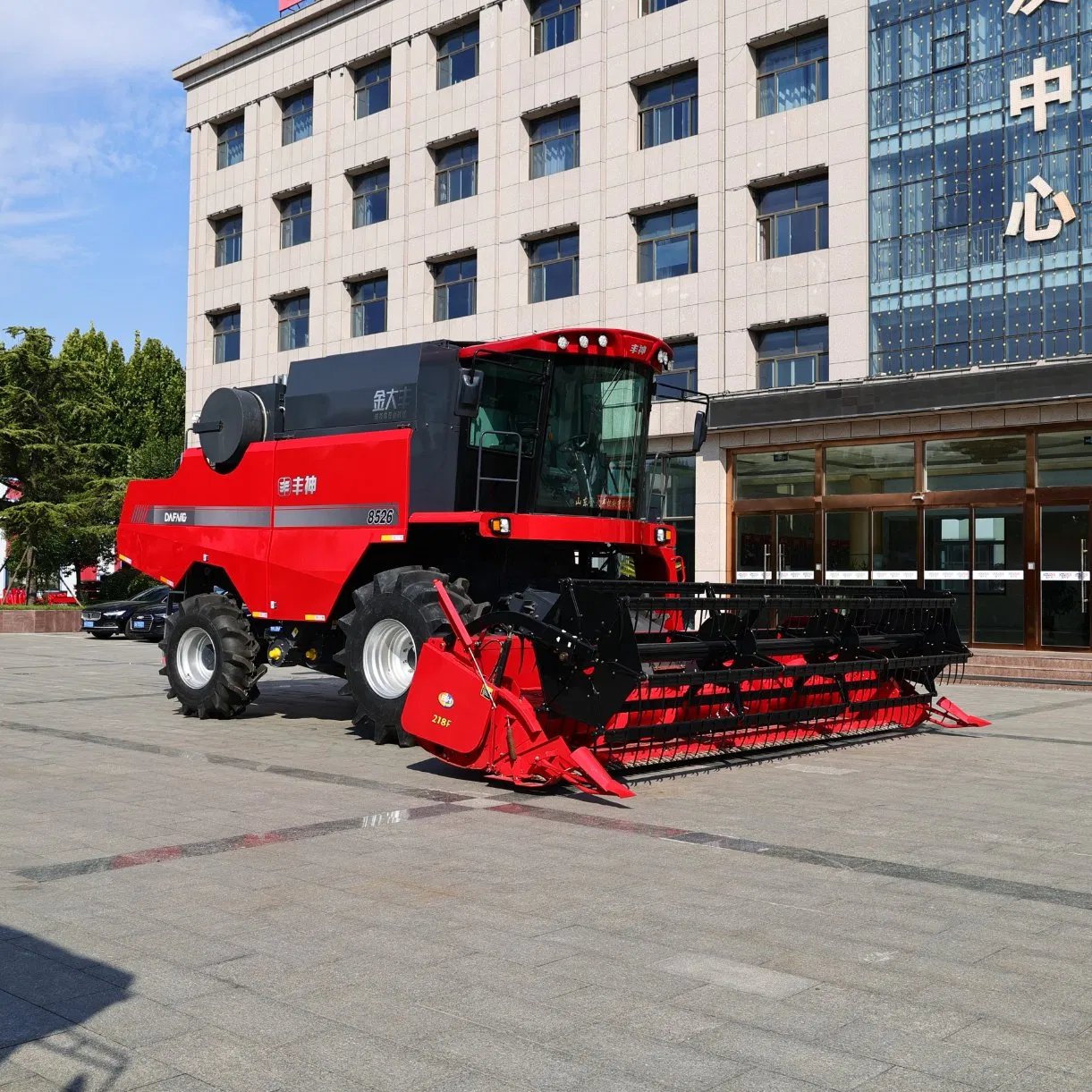
For Indian farmers, dealers and importers who want strong value, King-Gold Dafeng offers a practical alternative to many traditional tractor choices. The brand focuses on agricultural machinery manufacturing, including tractors, corn harvesters, combine harvesters and related equipment for global markets.
King-Gold Dafeng tractors are designed for buyers who care about three things: cost performance, stable quality and dependable field work. Instead of relying only on brand name, the value comes from practical configuration, manufacturing experience and machines built for real agricultural use.
For buyers comparing farm tractors for small, medium and large farms, King-Gold Dafeng can be a strong choice when they need a tractor with 4WD, diesel power, PTO, hydraulic performance and durable structure at a competitive price level.
This type of positioning is especially useful for dealers and importers. A tractor line with reasonable pricing, consistent quality and practical specifications can help distributors serve customers who want dependable machines without paying only for a famous logo.
Best Tractor for Small and Medium Farms in India
Small and medium farms usually need a tractor that can handle several jobs. These buyers often use one machine for tillage, transport, spraying, seeding, trailer work and PTO applications. For this group, the best tractor should be simple, efficient and easy to maintain.
A tractor in the 70HP to 100HP range can be useful for farms that need more power than a basic small tractor but still want a manageable machine size. These tractors can support mixed farming and offer better flexibility for different implements.
When choosing a tractor for small and medium farms, buyers should not overpay for unnecessary features. They should focus on engine reliability, PTO performance, hydraulic lifting power, tire suitability and after-sales support.
Best Tractor for Large Farms and Commercial Agriculture
Large farms and commercial agricultural projects need a different type of tractor. These buyers care more about productivity, working width, field efficiency and long-term durability. A higher horsepower tractor can pull larger implements and complete field work faster.
For heavy soil, deep tillage and large fields, buyers may consider tractors from 160HP to 240HP. For very large operations, a 440HP tractor for commercial agriculture can support heavy-duty field work and wider implements.
In this segment, the best tractor is not judged only by price. Buyers should check chassis strength, engine torque, hydraulic capacity, transmission performance, operator comfort and long-term parts supply. A powerful tractor must stay stable under load, especially during deep tillage or long working days.
What Dealers and Importers Should Check
For B2B buyers, choosing the best tractor in India or for the Indian market requires more than comparing horsepower. Dealers and importers should evaluate the supplier behind the machine.
- Does the manufacturer have stable production capacity?
- Are key components controlled with consistent quality standards?
- Can the supplier provide spare parts for long-term service?
- Is the tractor configuration suitable for Indian field conditions?
- Does the machine offer a good balance between price and working performance?
- Can the supplier support different horsepower ranges for different customers?
A tractor brand with good price but weak service can create problems for distributors. A tractor brand with strong quality but very high price may be difficult to sell to value-focused customers. The best choice should help the dealer win both trust and profit.
Conclusion: Which Is the Best Tractor in India?
So, which is the best tractor in India? The best tractor is the one that matches the farmer’s field conditions, horsepower needs, implement requirements and budget. For small farms, a practical and fuel-efficient tractor may be the best choice. For mixed farming, a 70HP to 100HP tractor can offer strong flexibility. For large farms, higher horsepower and 4WD performance become more important.
For buyers who care about value, quality and stable field operation, King-Gold Dafeng tractor models offer a strong option worth comparing. The advantage is not only price. It is the combination of reasonable cost, practical configuration, reliable manufacturing and long-term agricultural machinery experience.
When choosing a tractor, do not look only at brand fame or the lowest price. Look at the real work: soil, crops, implements, service, spare parts and total ownership cost. A tractor that works reliably season after season is the tractor that truly brings value to the farm.