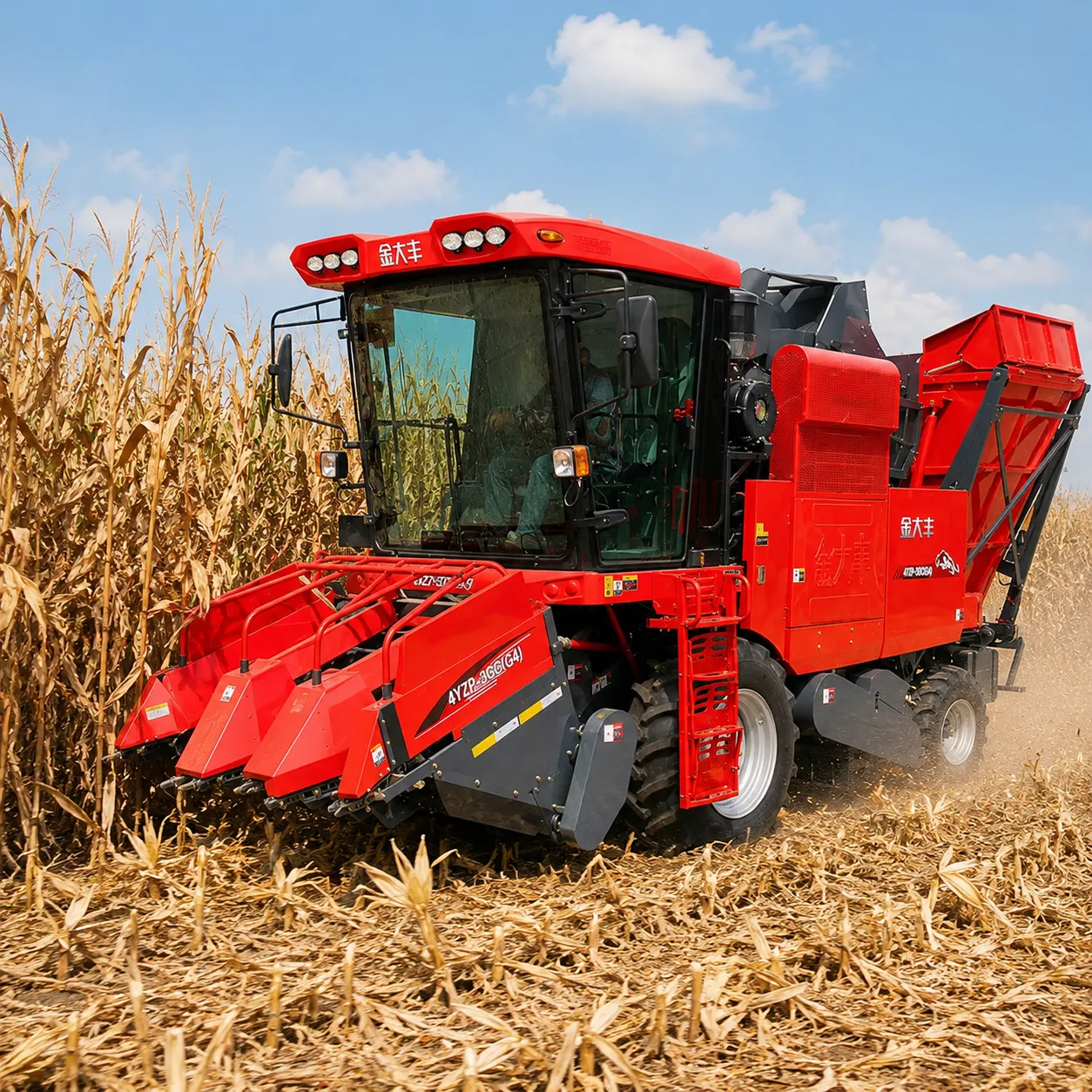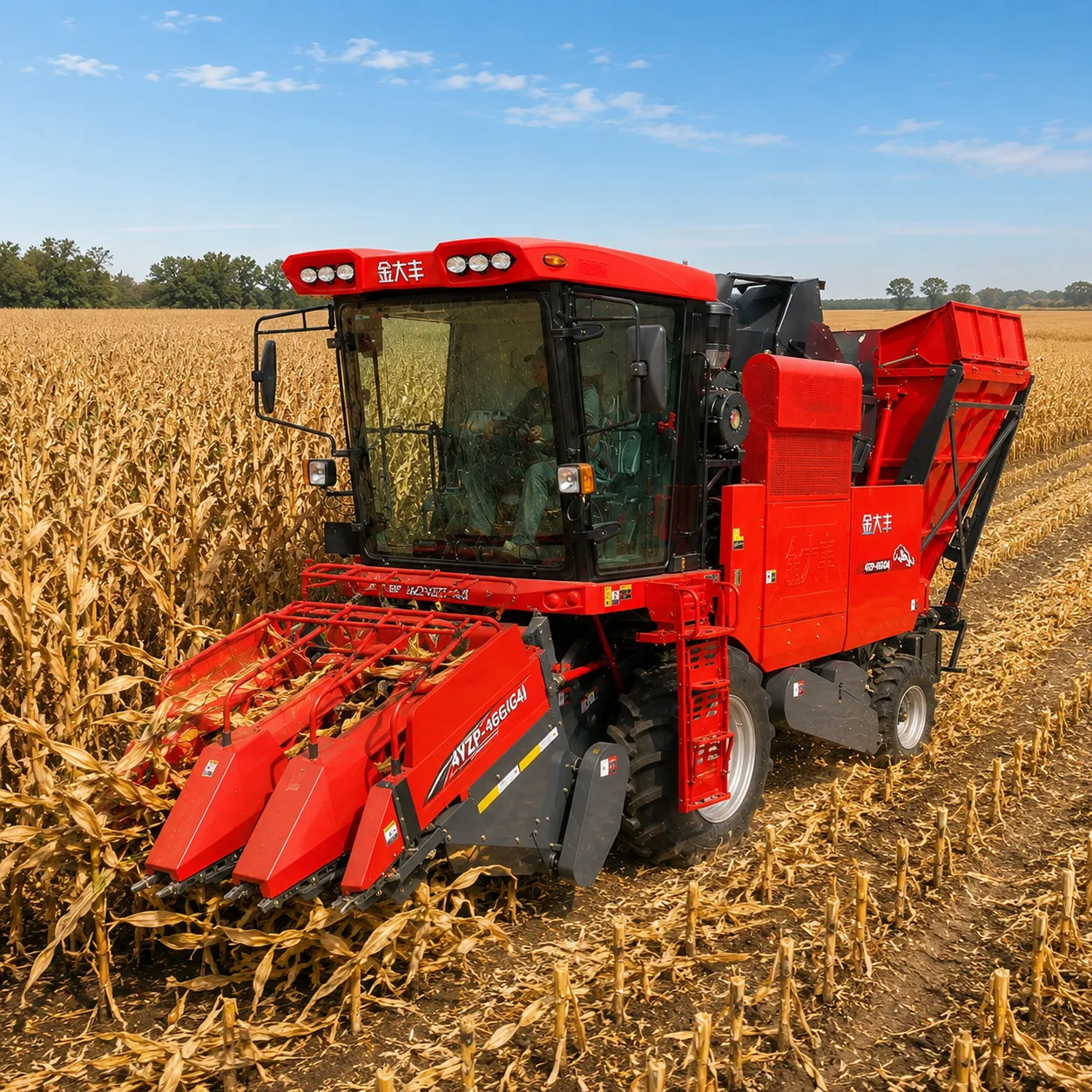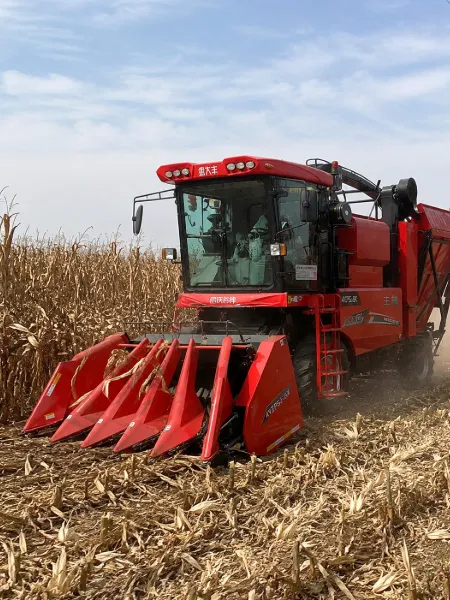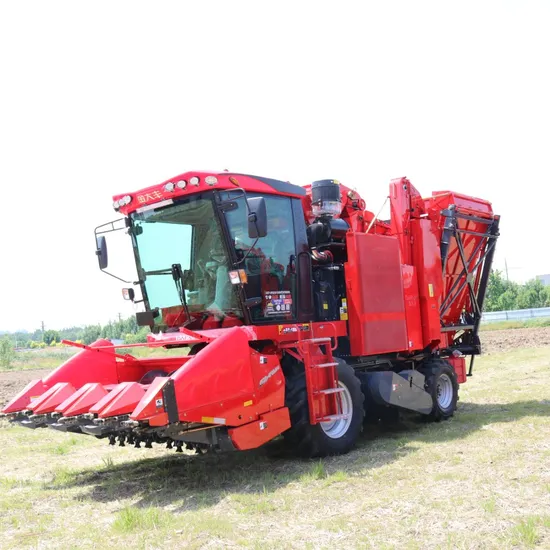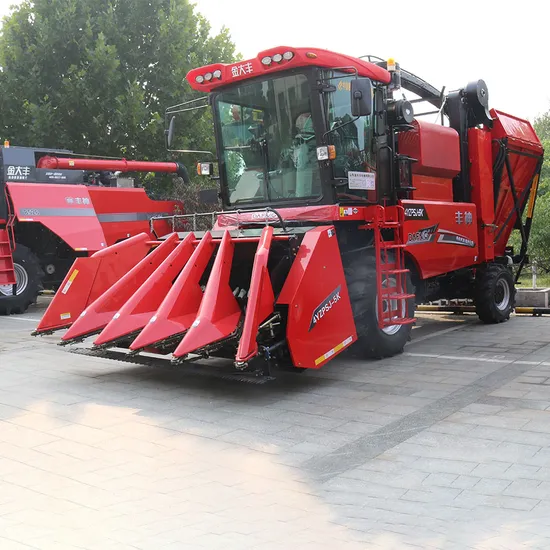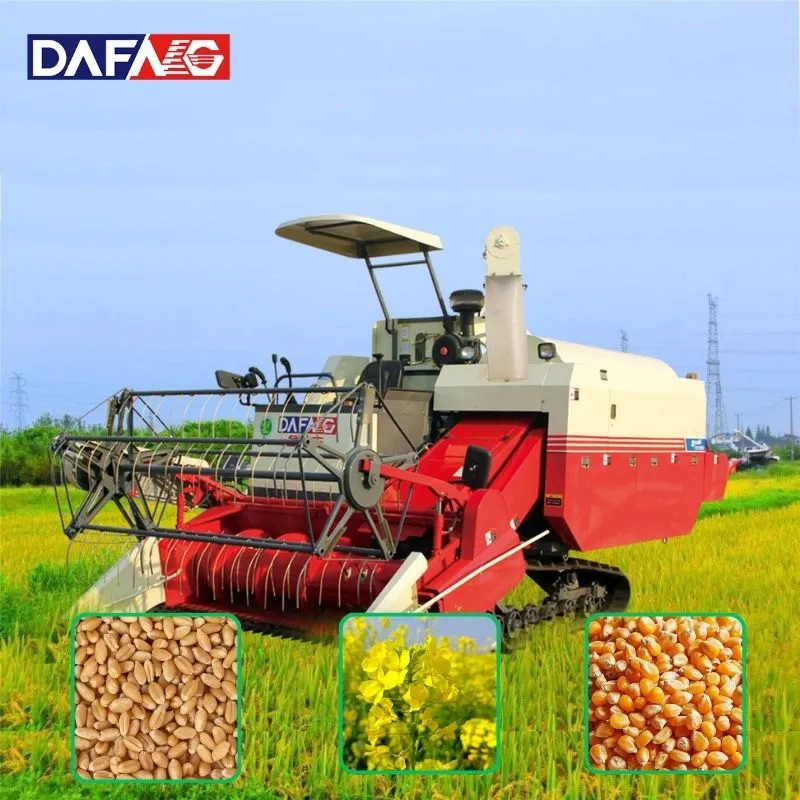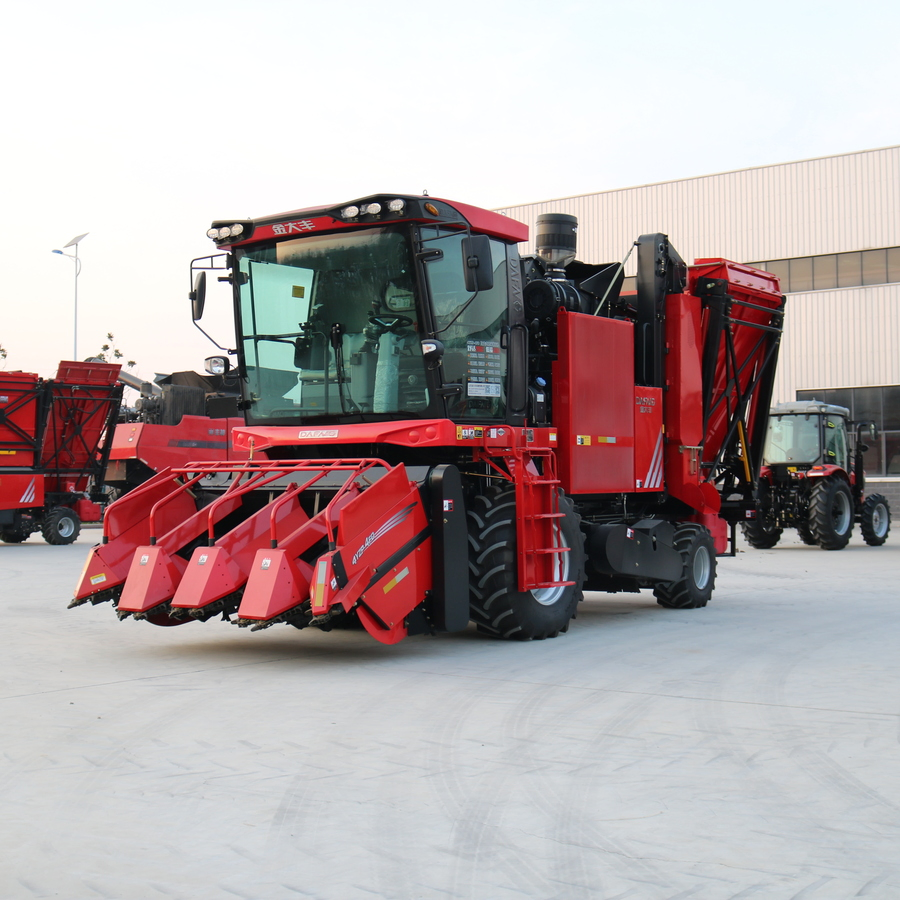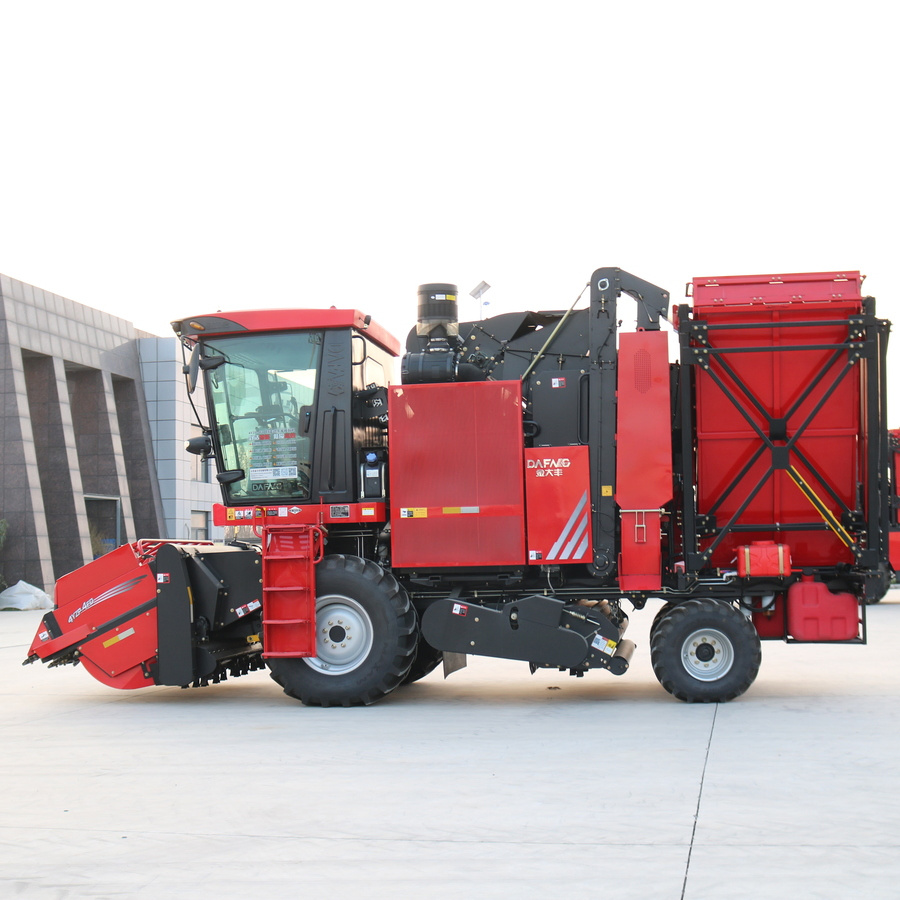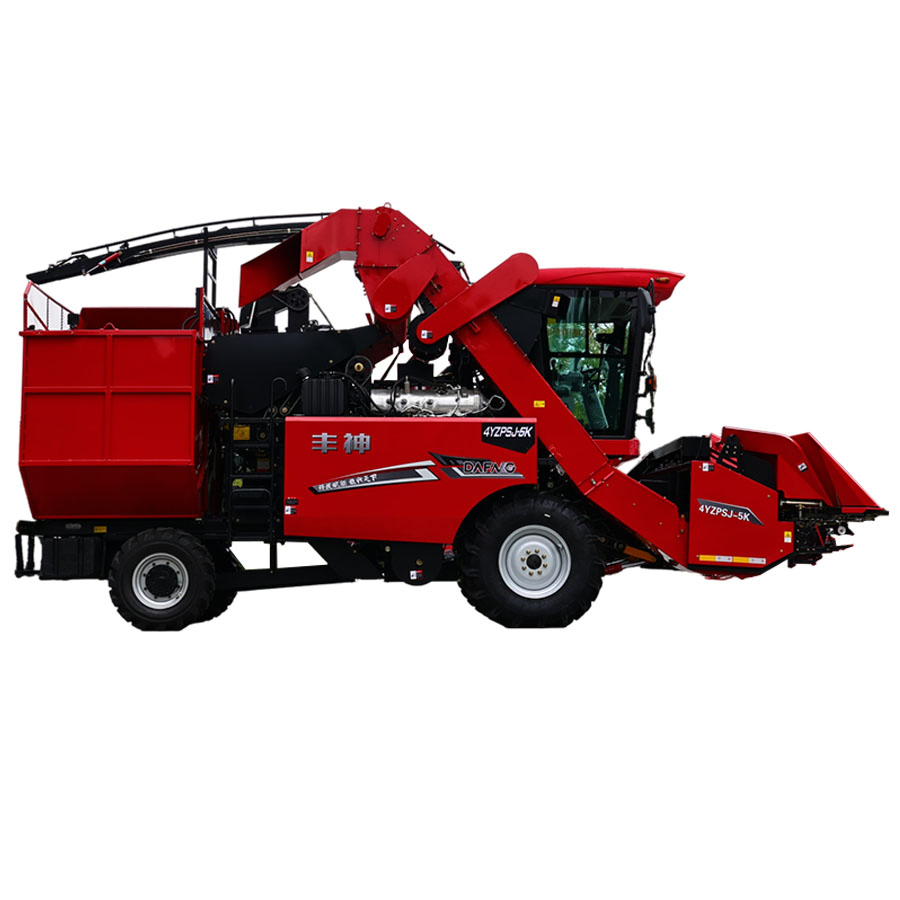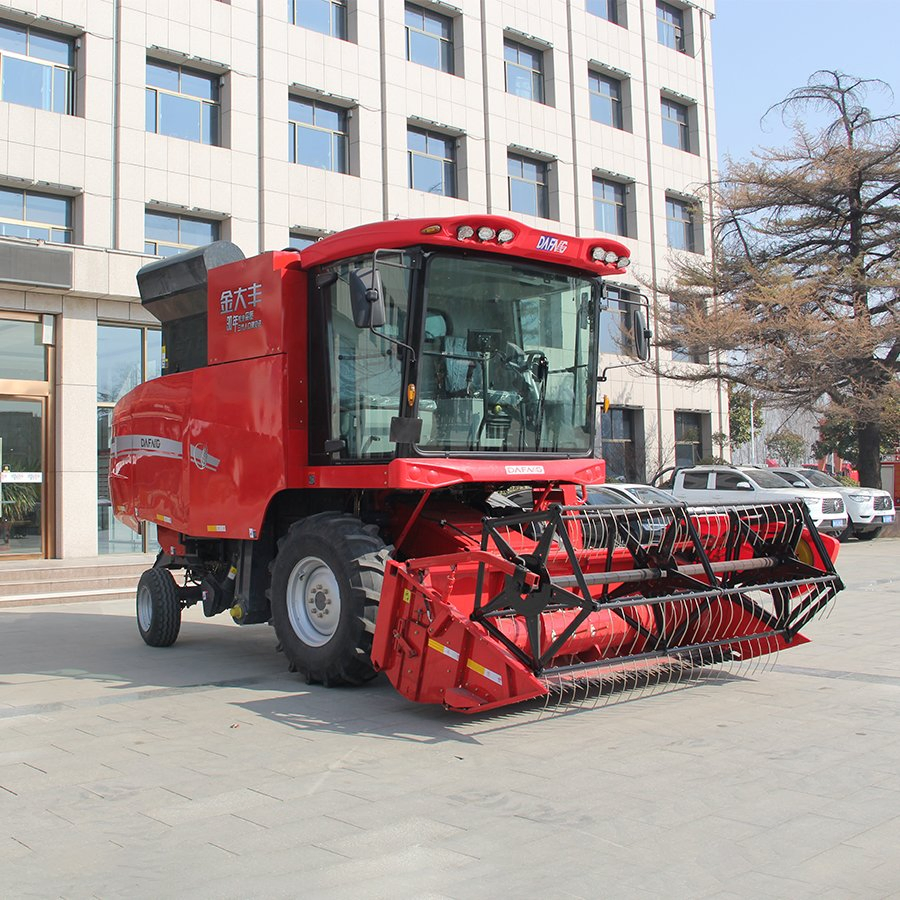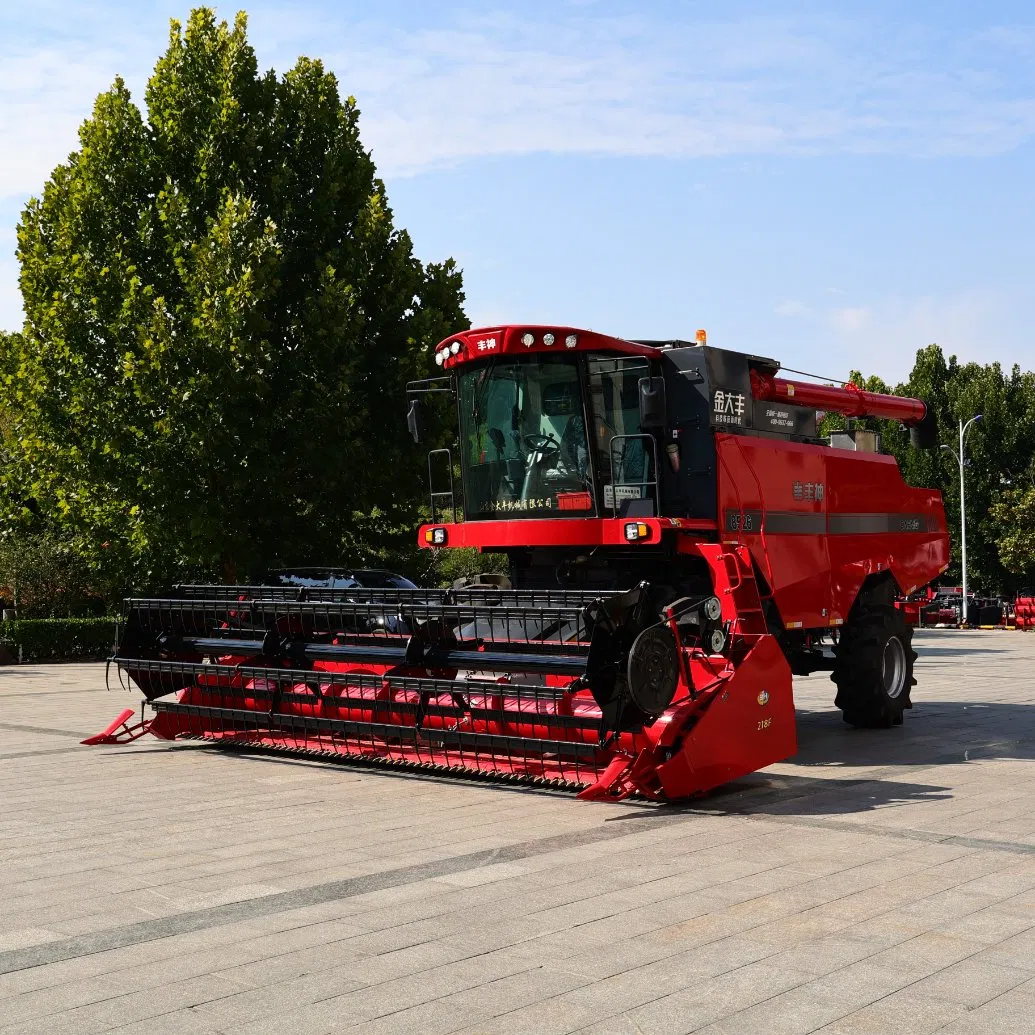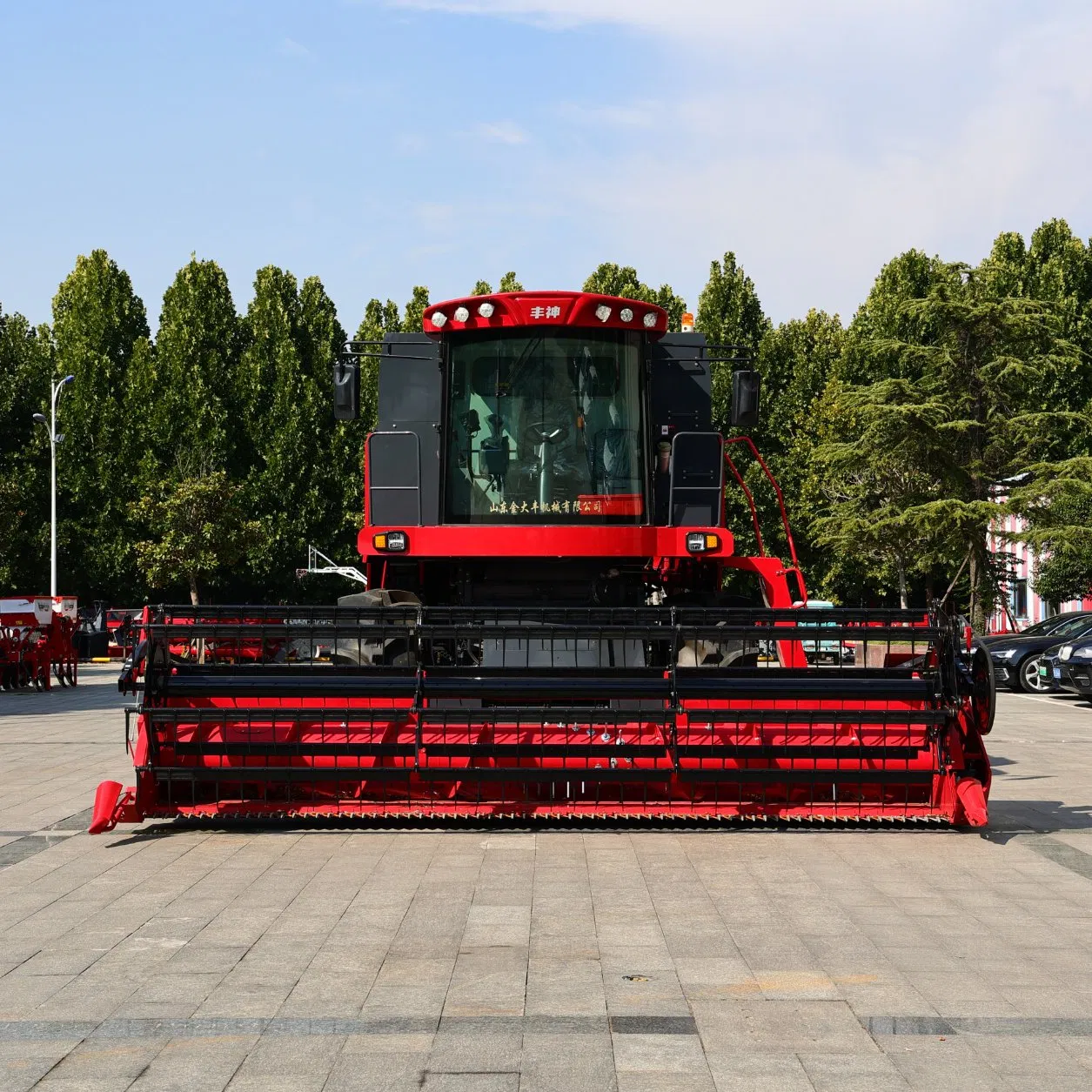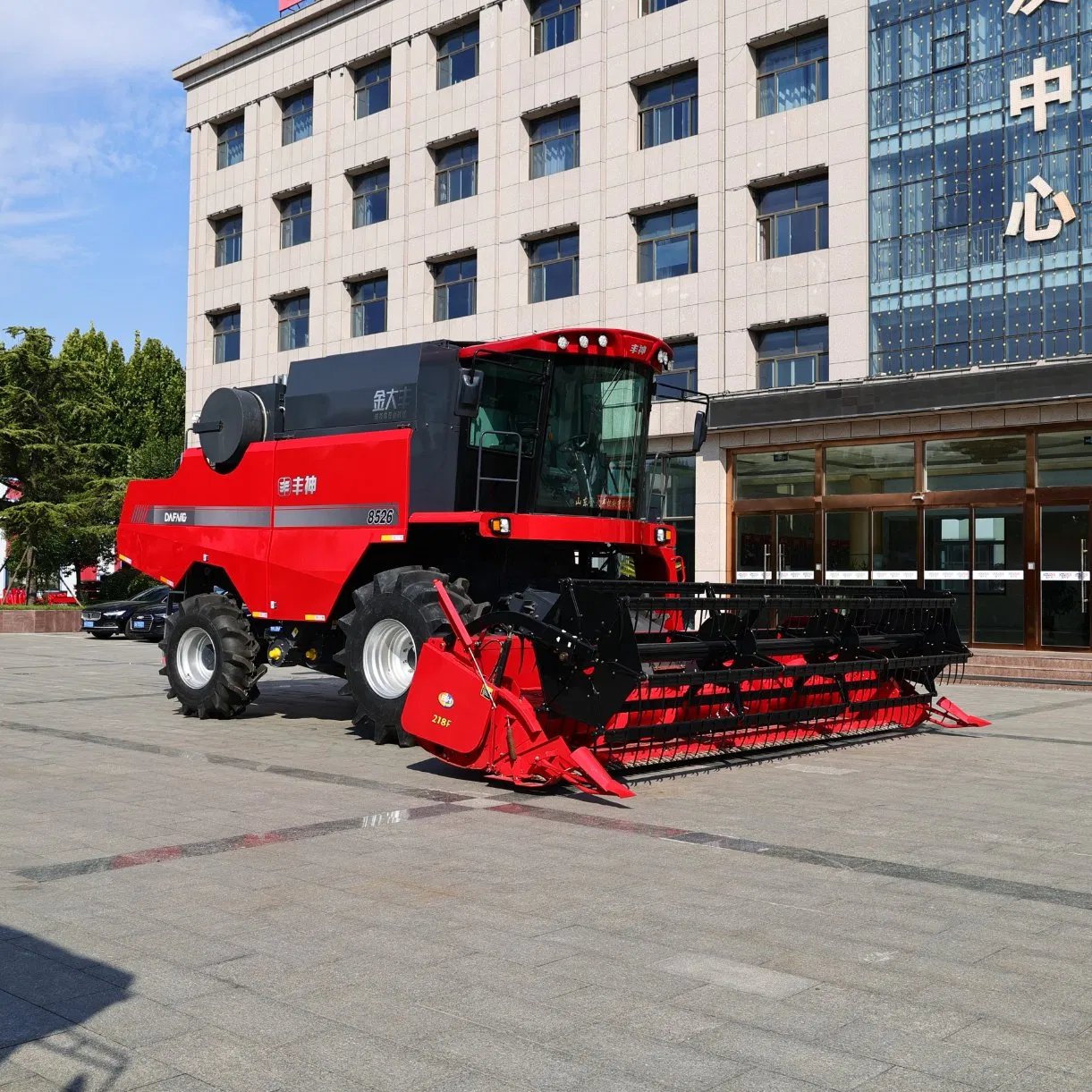
Importing corn harvesters from China can be a smart choice for dealers, distributors, contractors, and agricultural buyers who want access to practical harvesting machinery at competitive value. China offers different corn harvester models, including 2-row, 3-row, 4-row, self-propelled, and multi-function machines designed for corn picking, peeling, collection, and straw crushing.
However, importing agricultural machinery involves more than finding a supplier and asking for a price. Buyers must manage model selection, supplier verification, technical configuration, quality inspection, shipping, import documents, spare parts, and after-sales service.
This guide explains how to import corn harvesters from China with lower risk and stronger long-term value.
Understand Your Local Market First
Before contacting suppliers, importers should study local demand. Different markets need different machines. Some countries have mostly small and medium farms, while others have larger corn fields that require higher-capacity harvesters.
Important market questions include:
- What farm sizes are most common?
- What row spacing do local farmers use?
- Do buyers need 2-row, 3-row, or 4-row machines?
- Is peeling required?
- Do farmers value straw crushing?
- What price range is acceptable?
Buyers searching for a corn harvester import guide for dealers should begin with market fit, not only machine price.
Choose the Right Machine Type
China offers different types of corn harvesters. Importers should select models based on target customers and local field conditions.
| Machine Type | Best For | Main Advantage |
|---|---|---|
| 2 Row Corn Harvester | Small farms | Lower cost and easier operation |
| 3 Row Corn Harvester | Small to medium farms | Balanced capacity and investment |
| 4 Row Corn Harvester | Medium to large farms | Higher daily productivity |
| Multi-Function Corn Harvester | Efficiency-focused buyers | Harvesting, peeling, collecting, straw crushing |
A 3 row corn harvester import from China can be a practical option for many markets because it fits small and medium farms while offering stronger output than compact models.
Verify the Supplier Carefully
Supplier verification is one of the most important steps in lowering import risk. Buyers should check whether the supplier is a real manufacturer, trading company, or intermediary. A manufacturer with production capability and technical knowledge can usually provide better support.
Buyers should ask about factory background, production capacity, model range, export experience, spare parts, and inspection process. A reliable supplier should explain machine functions clearly and provide consistent technical information.
A reliable corn harvester supplier from China should not only quote prices but also help buyers select suitable configurations.
Confirm Technical Configuration Before Ordering
Before placing an order, every major configuration should be confirmed in writing. This avoids misunderstandings and makes inspection easier before shipment.
Important details include:
- Model number
- Row number
- Engine power
- Row spacing
- Peeling function
- Collection system
- Straw crushing function
- Drive type
- Dimensions and weight
- Spare parts package
Importers looking for a self-propelled corn harvester for export markets should confirm both performance details and market-specific requirements before production.
Compare Full Value, Not Only Price
Low price can be attractive, but it should not be the only decision factor. A cheaper machine may have weaker components, limited spare parts, poor documentation, or unstable production quality.
Importers should compare:
- Machine structure
- Function completeness
- Engine configuration
- Field performance
- Warranty support
- Spare parts availability
- Factory communication
A corn harvester with peeling collecting and straw crushing may cost more than a basic model, but it can deliver stronger value if local farmers need these functions.
Arrange Pre-Shipment Inspection
Pre-shipment inspection helps reduce risk before the machine leaves China. Buyers can request photos, videos, testing records, and loading images. For larger orders, third-party inspection may also be useful.
Inspection should cover:
- Machine appearance
- Model and configuration
- Engine start and operation
- Hydraulic function
- Peeling and crushing parts
- Accessories and spare parts
- Packaging condition
This step helps buyers avoid receiving a machine that does not match the confirmed order.
Prepare Shipping and Import Documents
Corn harvesters are large machines, so shipping planning matters. Buyers should confirm whether the machine will be shipped by container, flat rack, bulk shipment, or land transport depending on size and destination.
Common export and import documents include:
| Document | Purpose |
|---|---|
| Commercial Invoice | Shows transaction value and product details |
| Packing List | Lists package size, quantity, and loading details |
| Bill of Lading | Confirms sea shipment information |
| Certificate of Origin | May be required for customs or tariff purposes |
| Manuals and Technical Files | Support operation and after-sales service |
Importers should confirm local customs requirements with a freight forwarder or customs broker before shipment.
Plan Spare Parts from the First Order
Spare parts planning is essential. Corn harvesters work in a short seasonal window, so downtime during harvest can create serious losses. Importers should order basic wearing parts with the machine.
Useful spare parts may include belts, chains, filters, blades, bearings, peeling components, hydraulic hoses, and electrical parts. Dealers should keep common parts in stock to support early customers.
A corn harvester spare parts package for importers can make after-sales service easier and reduce downtime risk.
Consider OEM Branding and Market Positioning
Dealers may want machines with their own brand color, logo, and documentation. OEM customization can help build local recognition and improve repeat sales. However, all branding details should be confirmed before production.
Customization may include logo position, color, decals, packaging, manuals, and spare parts labeling. A strong supplier should clearly explain what is possible and how it affects cost and delivery time.
Why King-Gold Dafeng Supports Import Buyers
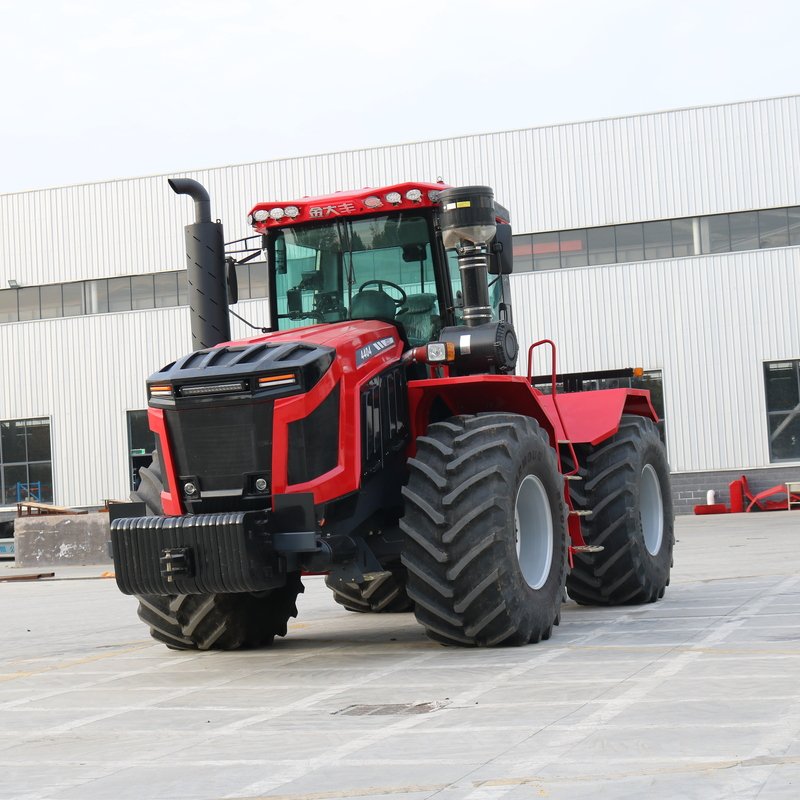
King-Gold Dafeng agricultural machinery provides harvesting machinery and tractor solutions for global buyers, including corn harvesters designed for practical field use. For importers, the key value is not only the machine itself but also configuration support, export service, and long-term cooperation.
Working with a manufacturer that understands overseas market needs can help reduce communication risk and improve product matching.
Import Risk Checklist
| Risk Area | How to Reduce Risk |
|---|---|
| Wrong Model | Confirm row number, power, function, and field requirements |
| Supplier Risk | Verify factory background and export experience |
| Quality Risk | Use photos, videos, testing, and inspection |
| Shipping Risk | Confirm packaging, loading method, and documents |
| After-Sales Risk | Prepare spare parts and technical documents |
Final Thoughts
Learning how to import corn harvesters from China with lower risk means building a clear sourcing process. Buyers should understand local demand, choose suitable machine types, verify suppliers, confirm configurations, inspect before shipment, prepare documents, and plan spare parts support.
The best import decision is not only about the lowest price. It is about selecting machines that match local farms and working with suppliers that can support long-term business growth.