Table of contents
- What Are Grain Combine Harvesters?
- Why Grain Combine Harvesters Matter in Modern Agriculture
- Main Crops Suitable for Grain Combine Harvesters
- Key Components of a Grain Combine Harvester
- Recommended Specifications for Different Harvesting Needs
- How to Choose the Right Grain Combine Harvester
- Why Dealers Care About Combine Harvester Supply Stability
- Common Mistakes When Buying Grain Combine Harvesters
- Why King-Gold Dafeng Grain Combine Harvesters Stand Out
- Future Trends in Grain Harvesting Machinery
Grain harvesting has changed significantly as farms become larger, harvest seasons become shorter, and buyers demand machines that can deliver stable output with lower grain loss. For many farmers, contractors, and equipment distributors, choosing the right grain combine harvesters directly affects harvesting speed, grain quality, and long-term operating costs.
A grain combine harvester is not just a machine for cutting crops. It combines cutting, feeding, threshing, cleaning, grain storage, and unloading into one continuous process. This integrated working method helps farmers reduce labor demand, shorten harvesting time, and improve crop collection efficiency during peak seasons.
For global buyers, especially dealers and agricultural project buyers, understanding how grain combine harvesters work and how to select the right configuration is essential. This guide explains key machine functions, buying factors, typical specifications, and why reliable manufacturers such as King-Gold Dafeng play an important role in modern grain harvesting solutions.
What Are Grain Combine Harvesters?
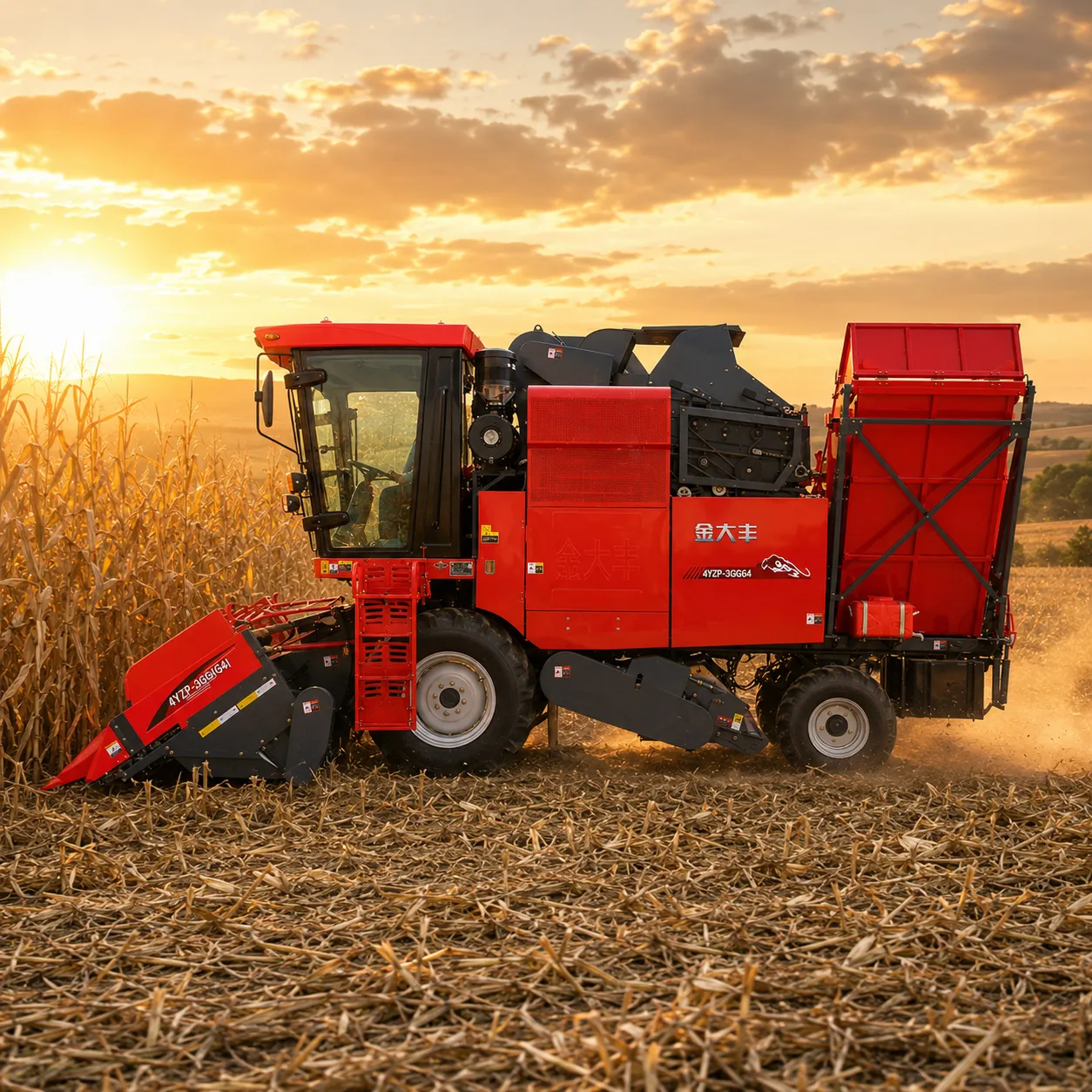
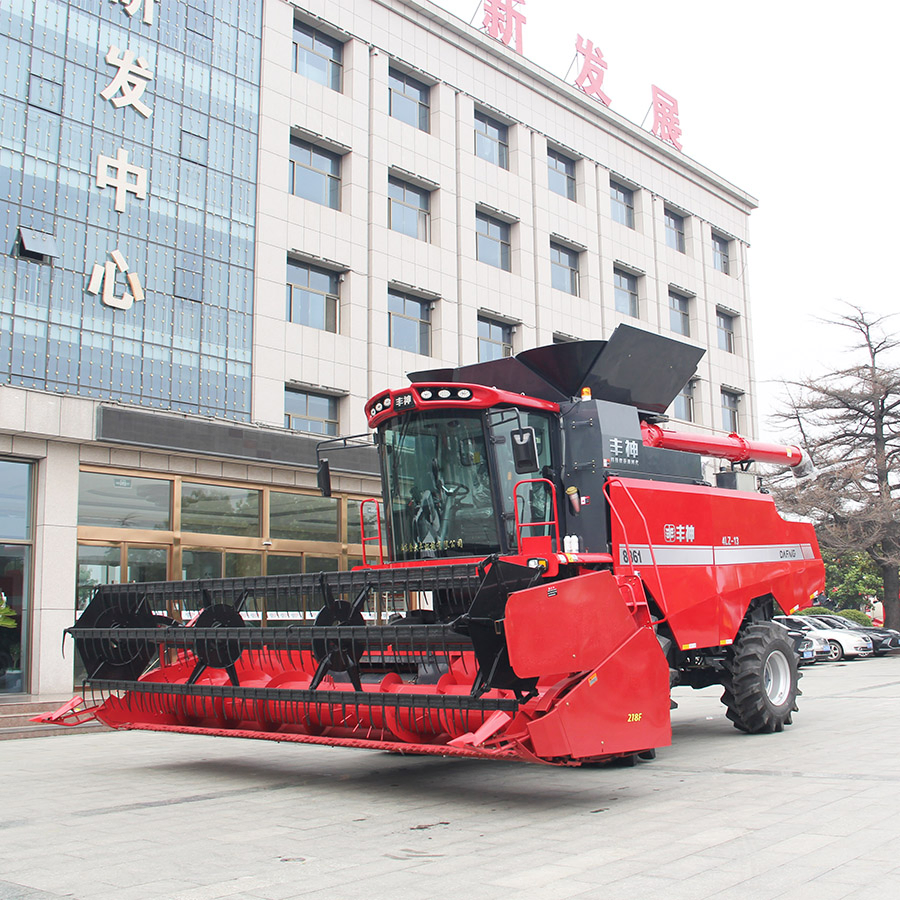
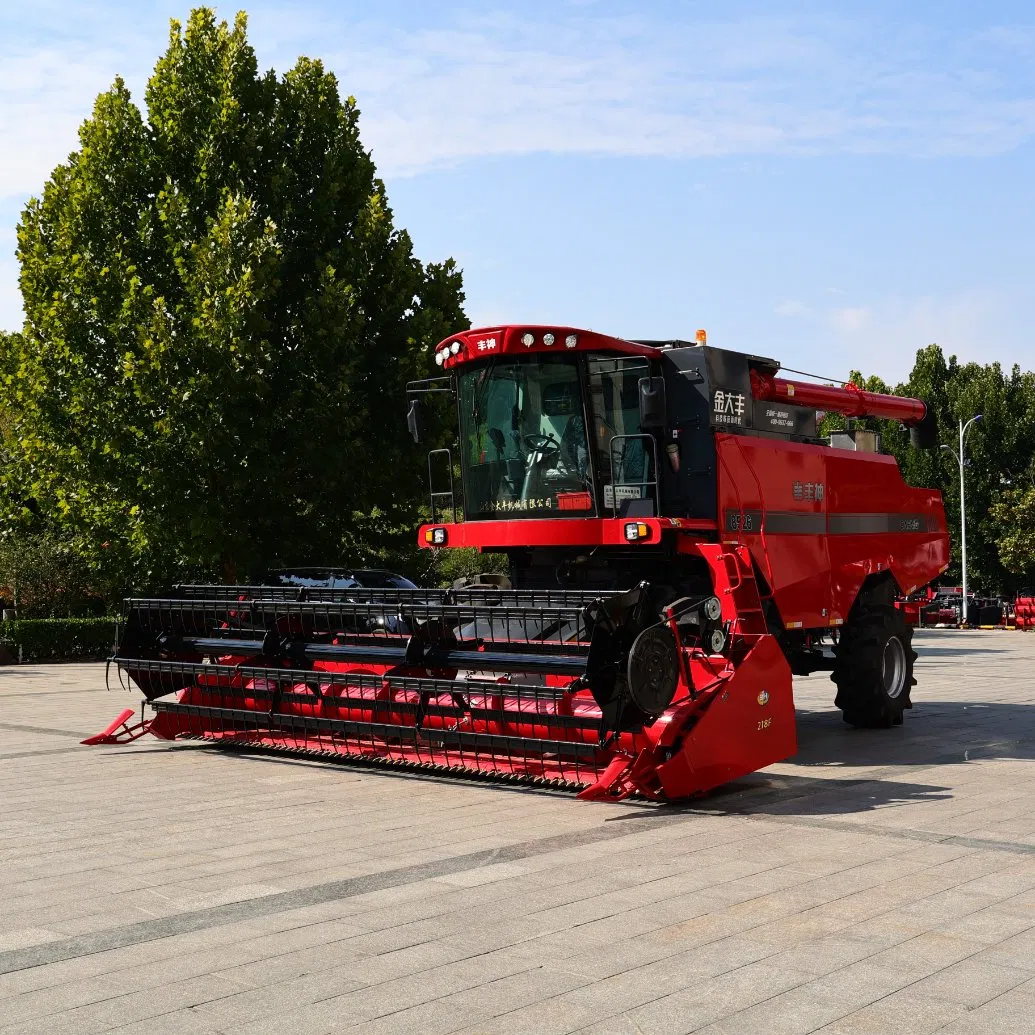
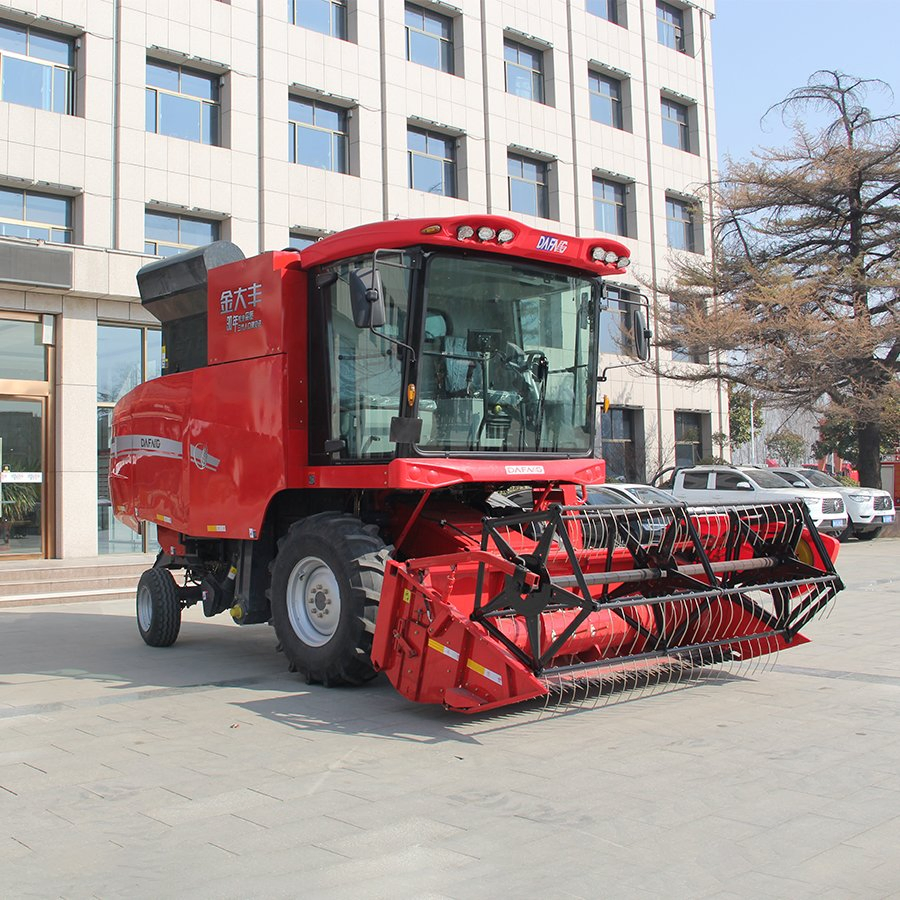
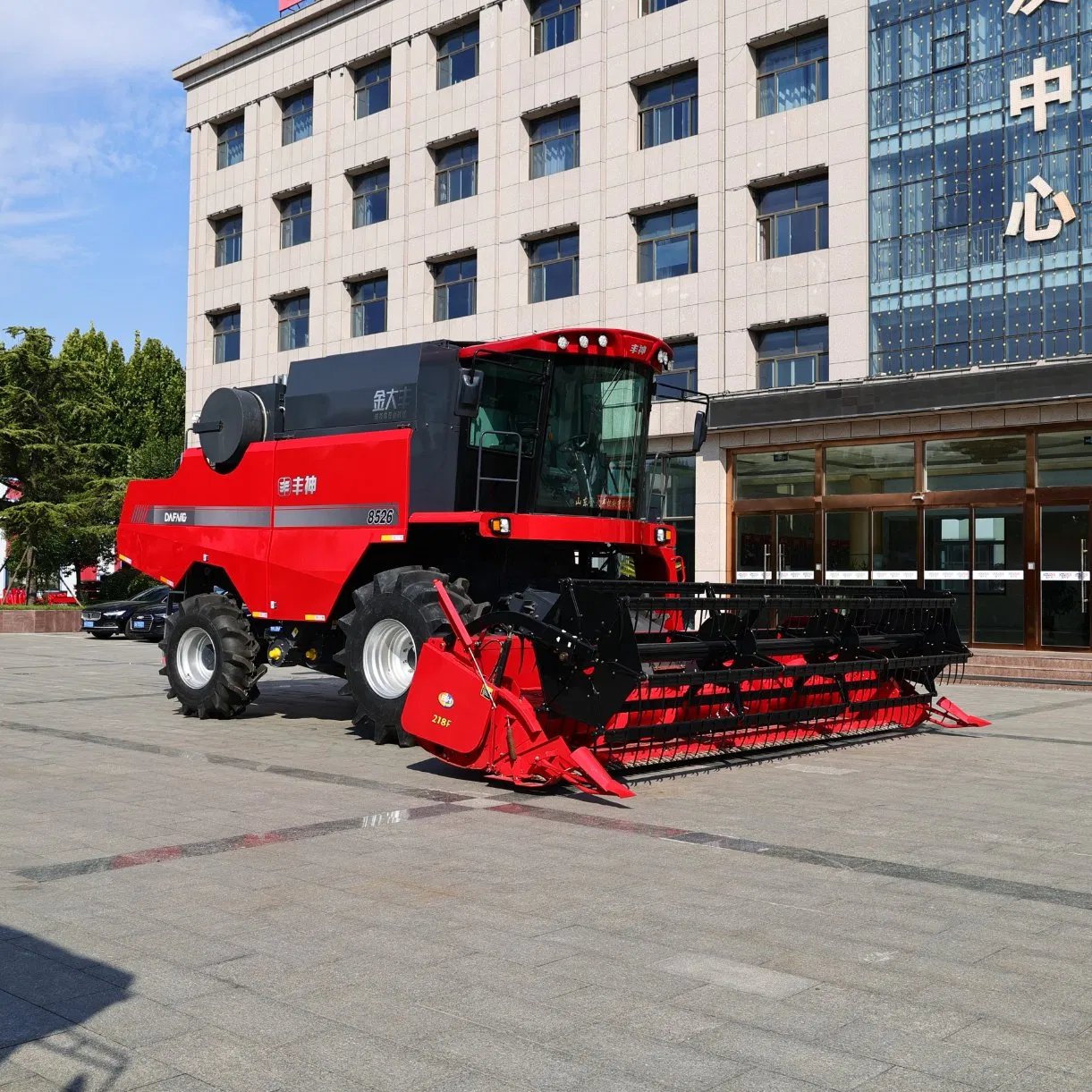
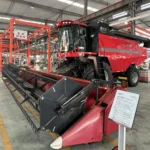
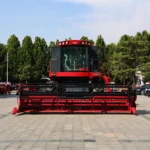
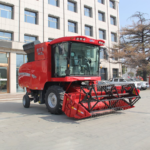
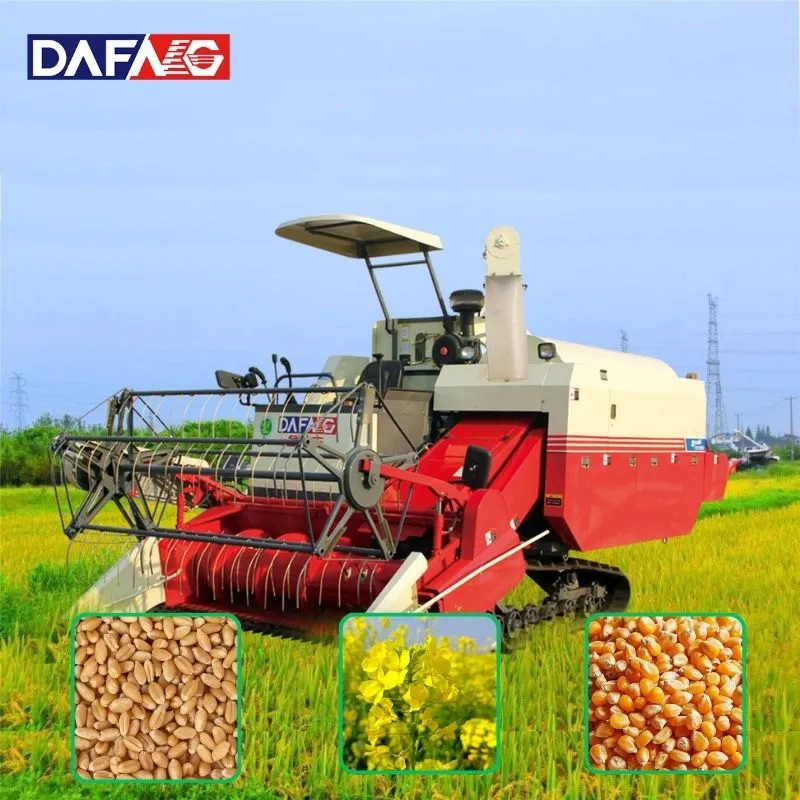
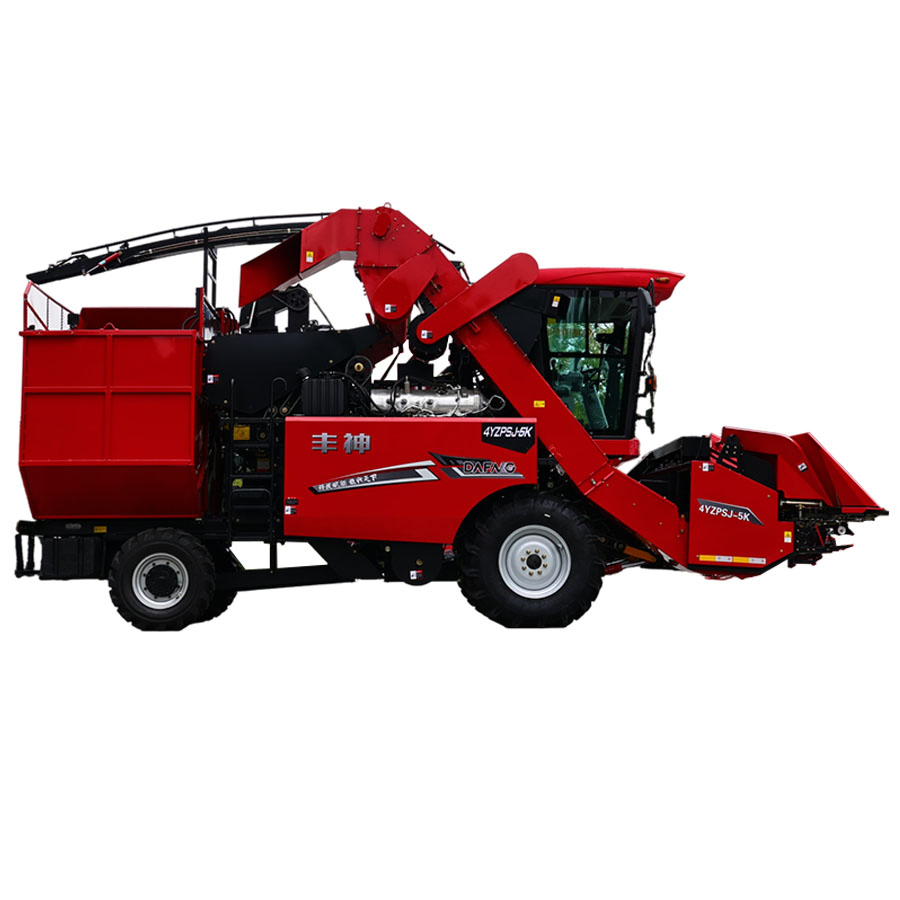
Grain combine harvesters are agricultural machines designed to harvest grain crops efficiently by combining several harvesting operations into a single process. Traditional harvesting often required separate machines or manual labor for cutting, threshing, and cleaning. A combine harvester completes these tasks in one pass through the field.
Most grain combine harvesters work with crops such as wheat, rice, barley, soybean, corn, and other grain crops, depending on machine configuration and header design. This makes them highly valuable for mixed farming regions where farmers need one machine to handle multiple seasonal crops.
Modern combine harvesters focus on three major goals: higher harvesting efficiency, reduced grain loss, and stable operation under different field conditions. These goals matter not only to farm owners but also to dealers who need machines that perform reliably in different local markets.
Why Grain Combine Harvesters Matter in Modern Agriculture
Harvest timing plays a major role in crop yield and final grain quality. If farmers harvest too late, grain loss increases and crop moisture may change. If they harvest inefficiently, labor costs rise and machines may fail during the most important working period.
This is why many buyers now prefer mechanized harvesting solutions. A reliable grain combine harvester allows farmers to finish harvesting faster while keeping grain cleaner and reducing field losses. For large-scale farms and harvesting contractors, this efficiency directly affects profit.
In export markets, buyers also care about machine adaptability. Different regions have different crop varieties, soil conditions, field sizes, and operator habits. A practical combine harvester must balance performance, durability, and easy maintenance.
Main Crops Suitable for Grain Combine Harvesters
Although many buyers search for wheat harvesters or rice harvesters separately, grain combine harvesters often cover a wider application range. With proper configuration, one machine can support multiple crop types and farming systems.
Wheat Harvesting
Wheat harvesting requires stable cutting, smooth feeding, and efficient threshing. A good combine harvester helps reduce grain breakage and keeps harvesting output consistent across large fields.
Rice Harvesting
Rice harvesting often happens in wet or soft field conditions. Tracked or specially configured harvesters may perform better in paddy fields where wheeled machines face traction challenges.
Corn and Maize Harvesting
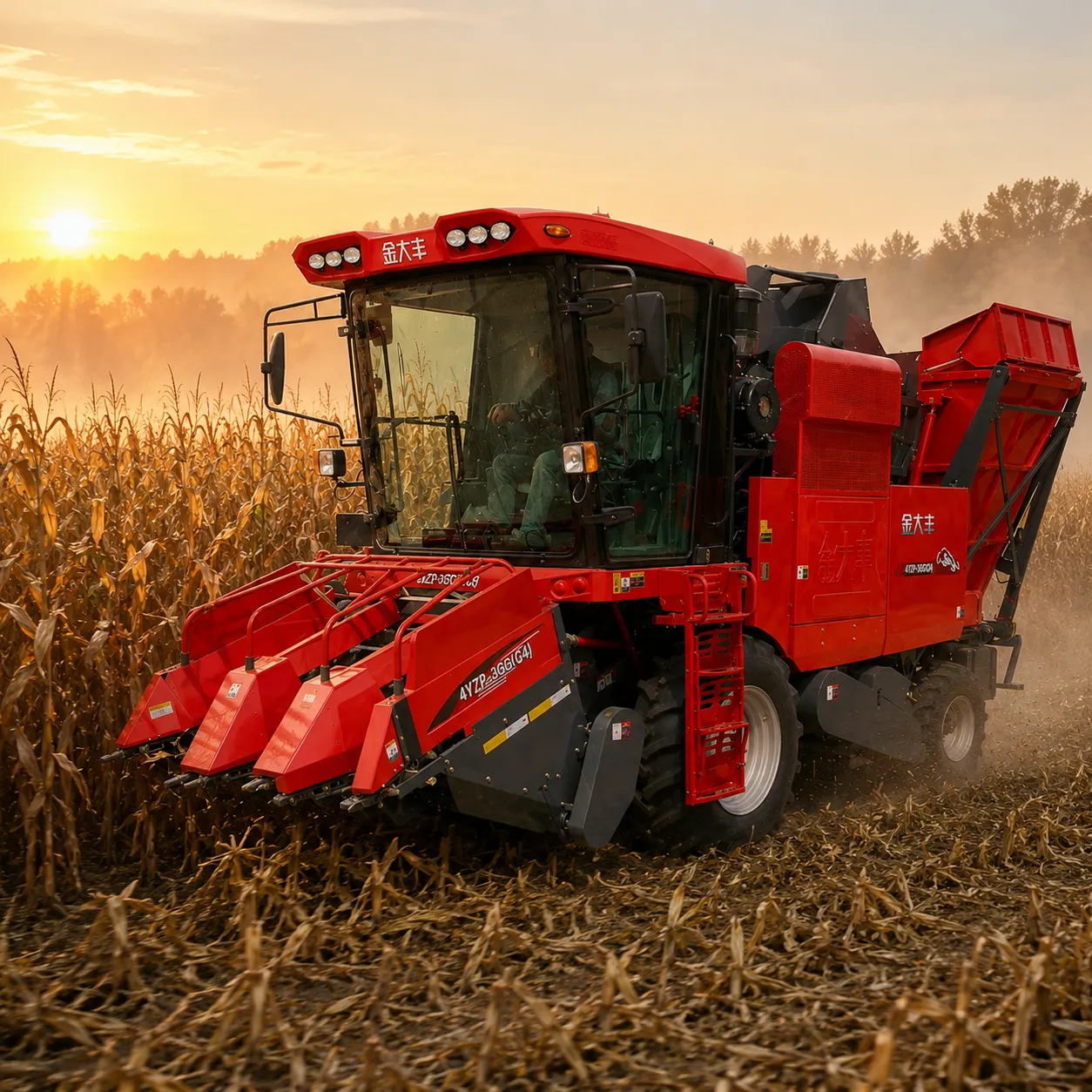
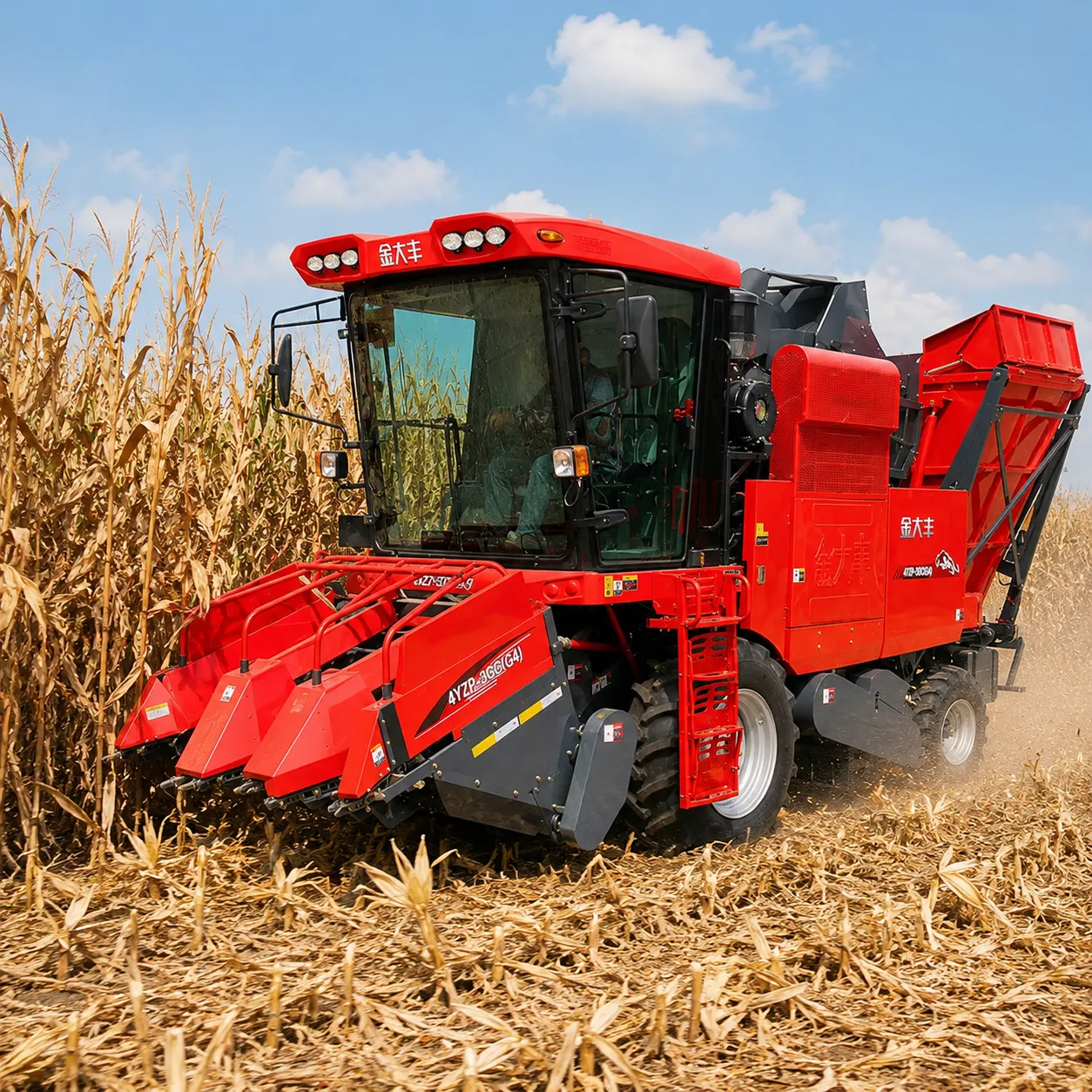
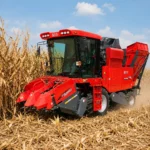
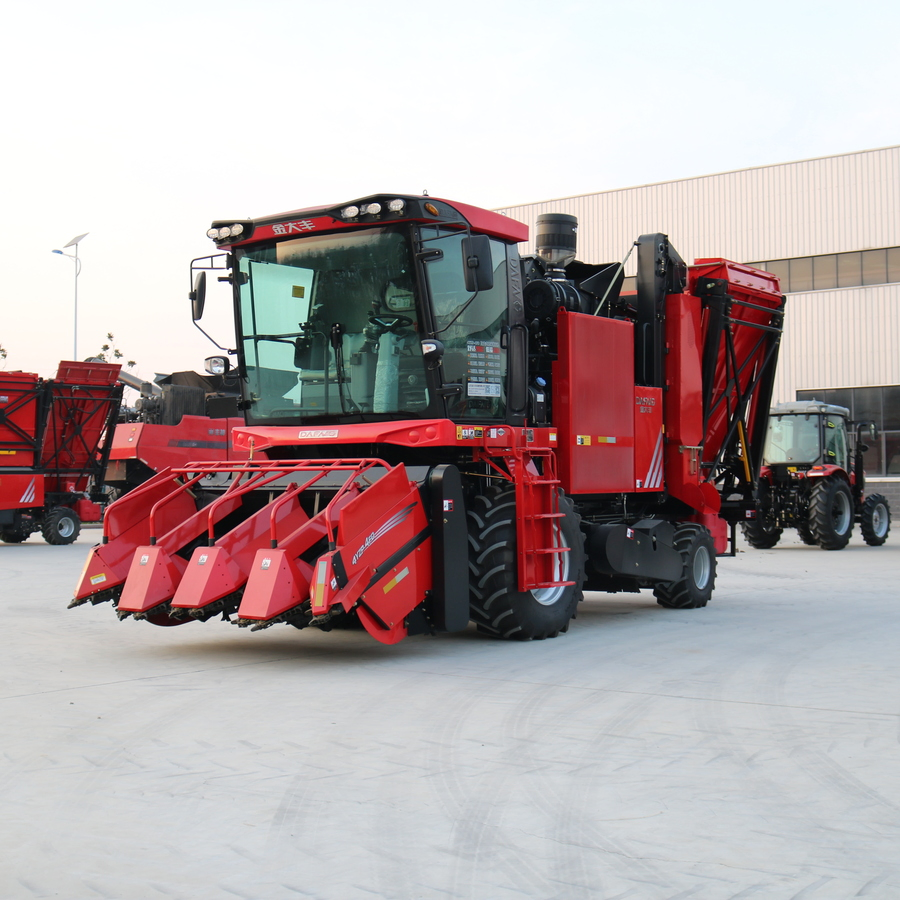
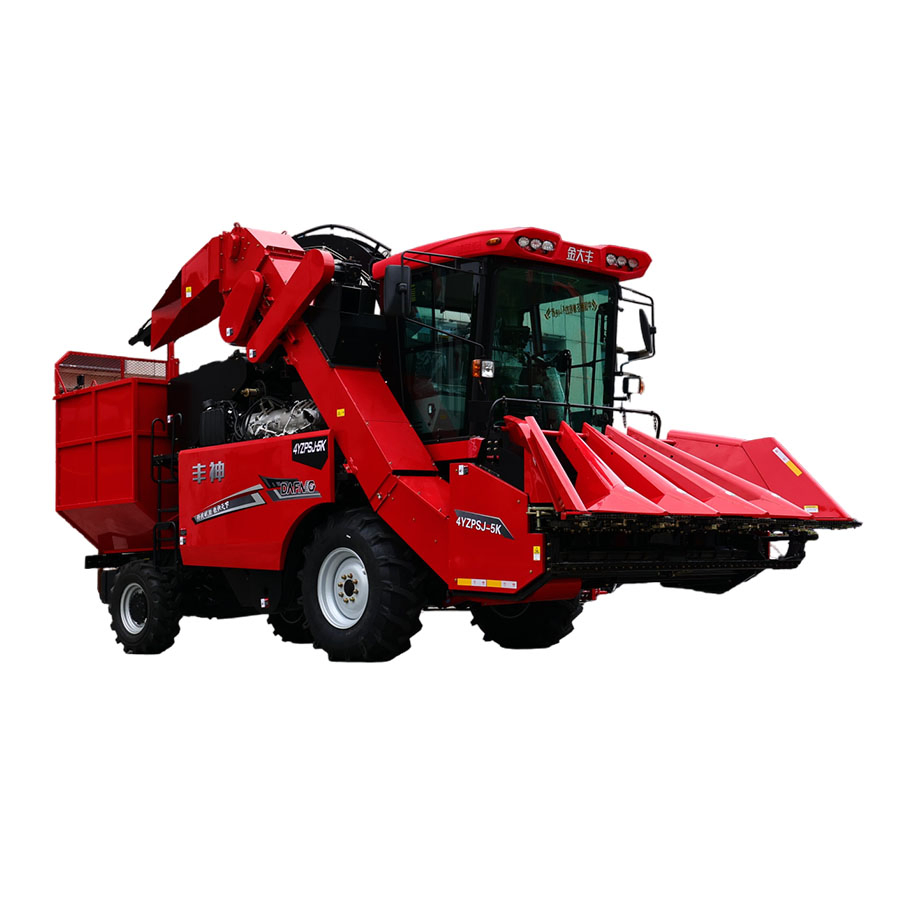
Corn harvesting usually requires crop-specific headers and stronger feeding systems. In some markets, buyers prefer machines that support both grain harvesting and corn-related configurations.
Soybean and Mixed Grain Crops
For mixed farming areas, flexibility becomes important. A machine that can adapt to different grain crops gives farmers and contractors better seasonal value.
Key Components of a Grain Combine Harvester
To choose the right machine, buyers should understand the major working systems inside a combine harvester. These systems determine harvesting quality, machine reliability, and maintenance needs.
Cutting Header
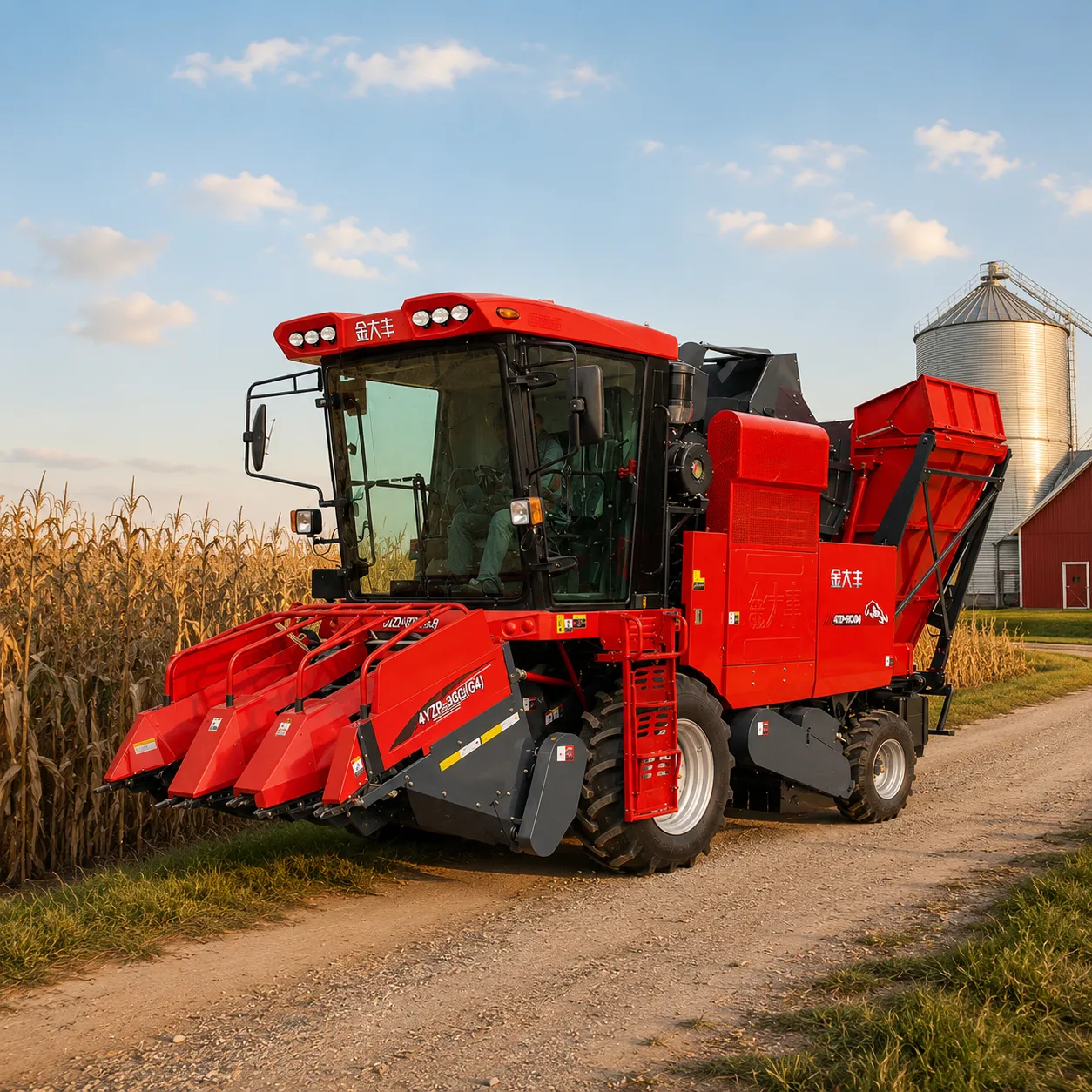
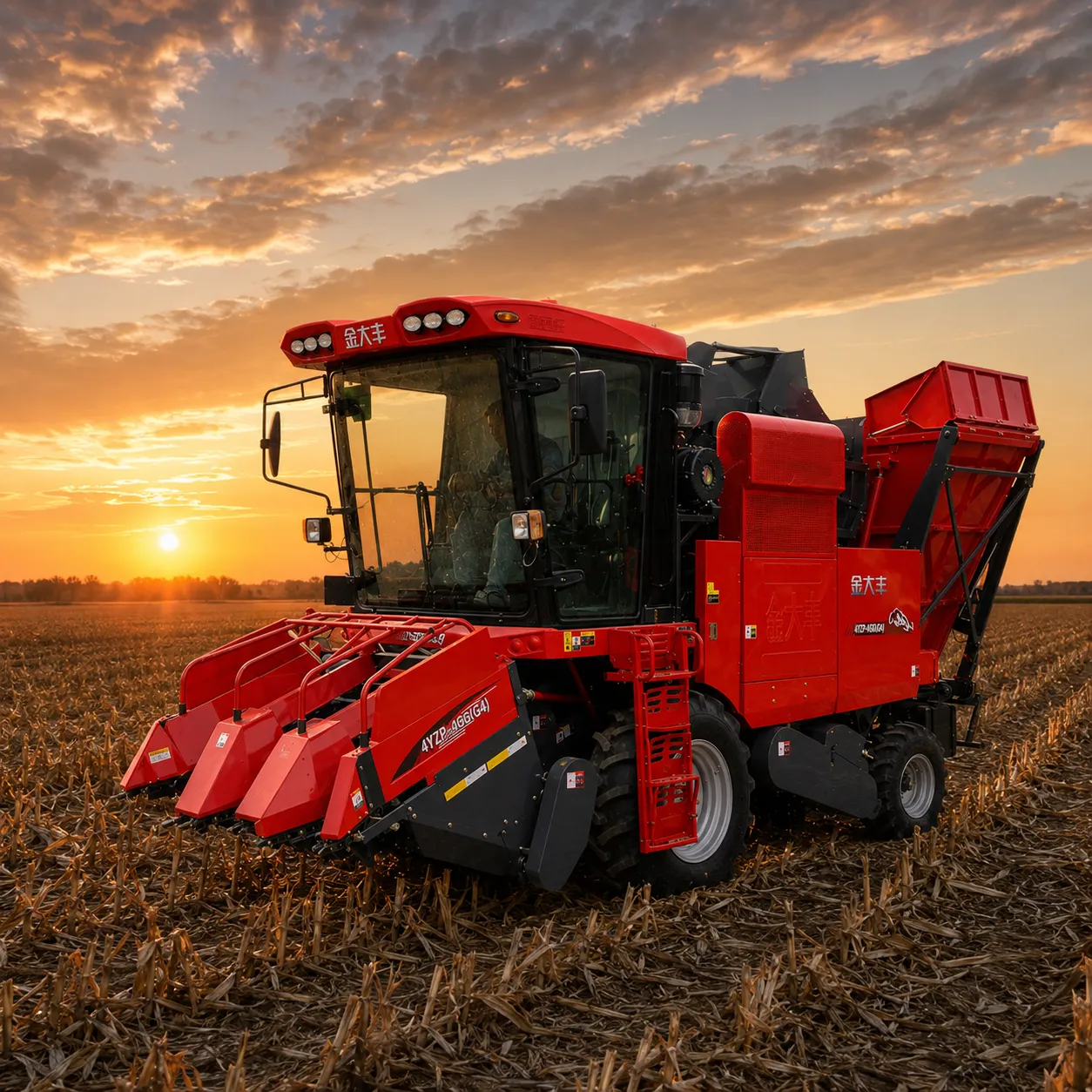
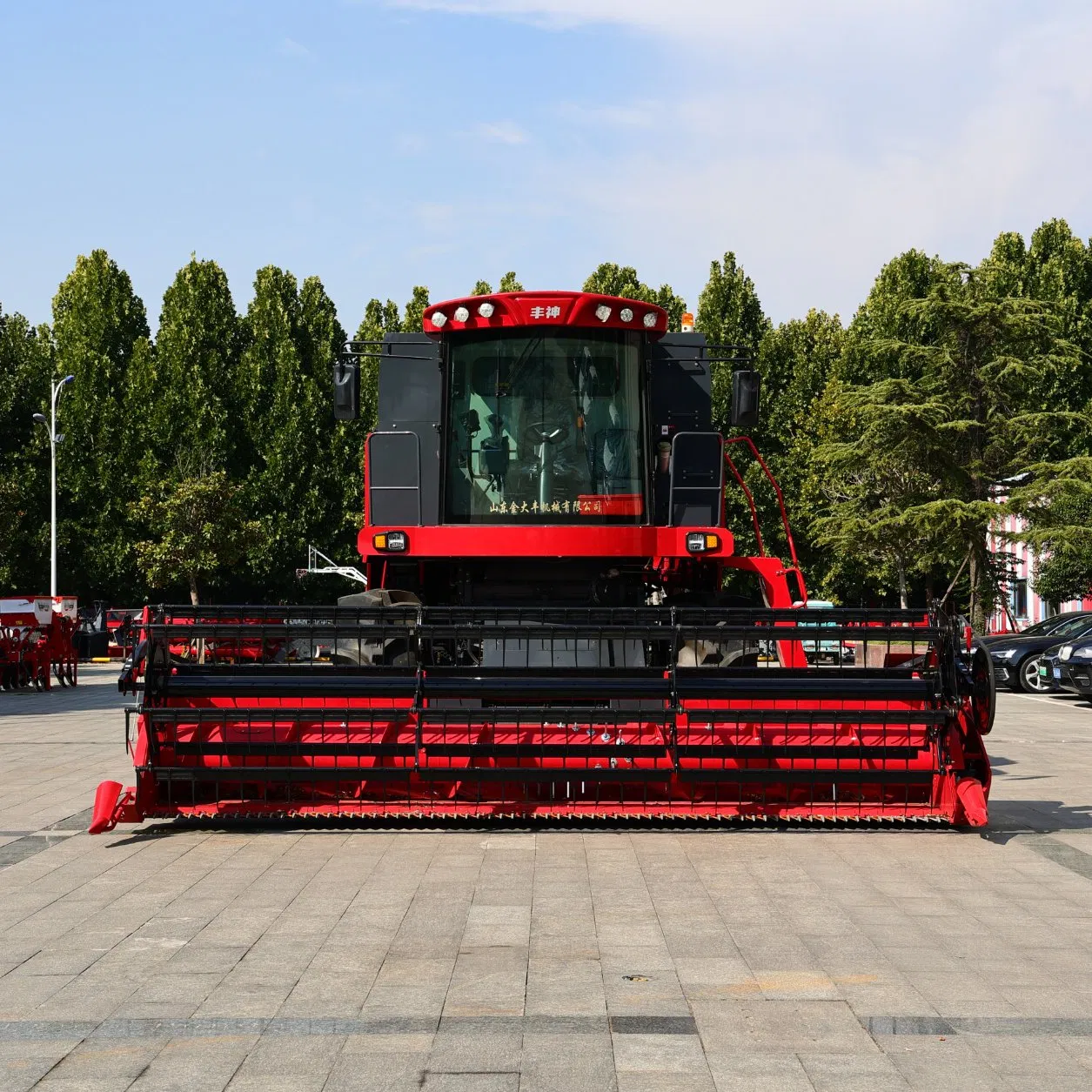
The cutting header gathers and cuts crops at the front of the machine. Cutting width directly affects working efficiency. A wider header allows faster field coverage, but it also requires stronger machine power and stable feeding capacity.
Feeding System
The feeding system moves cut crops into the threshing unit. Smooth feeding reduces blockage and keeps the machine running continuously during long harvesting days.
Threshing System
The threshing system separates grain from straw and crop material. Common designs include axial flow and drum-type threshing systems. The right design depends on crop type, moisture level, and expected output.
Cleaning System
After threshing, the cleaning system removes chaff and impurities from the grain. A well-designed cleaning structure improves grain quality and reduces post-harvest processing pressure.
Grain Tank and Unloading System
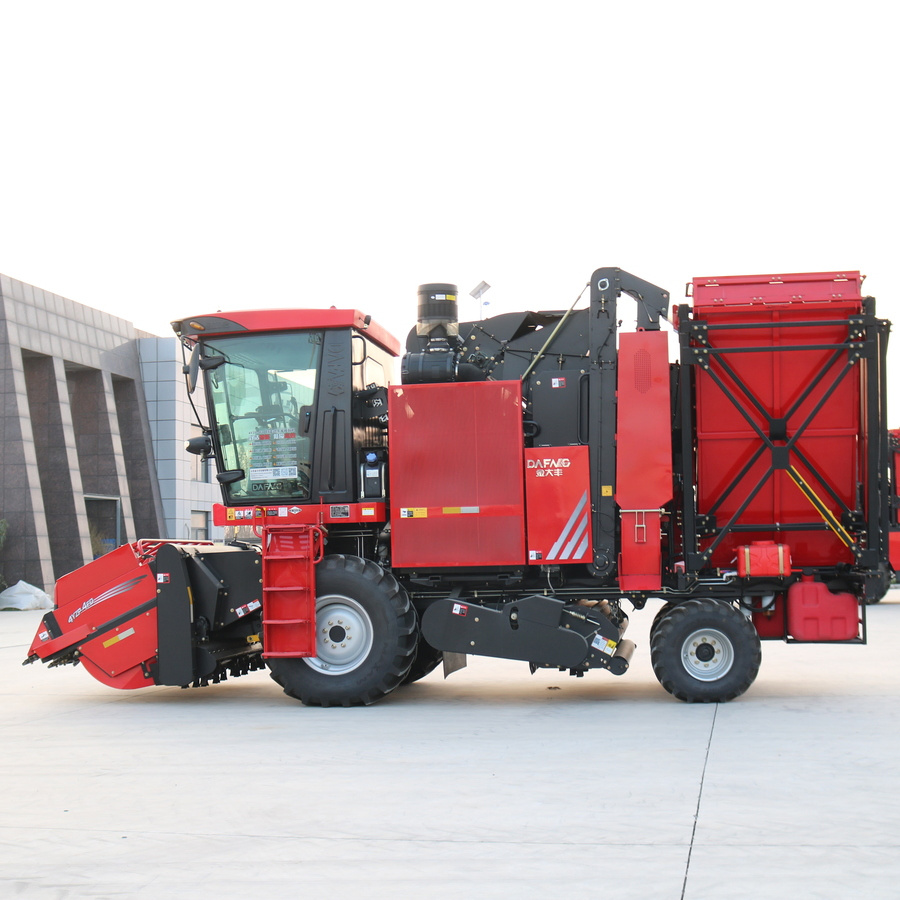
Grain tank capacity affects how long the machine can work before unloading. A larger tank reduces interruptions, while a high unloading height helps transfer grain into trucks or trailers more efficiently.
Recommended Specifications for Different Harvesting Needs
The best grain combine harvester depends on farm size, crop type, and daily output requirements. The table below gives a general reference for international buyers.
| Farming Scale | Recommended Power | Cutting Width | Best Applications | Buyer Type |
|---|---|---|---|---|
| Small to Medium Farms | 100–150HP | 2.0–3.0 m | Rice, wheat, small grain fields | Farmers, cooperatives |
| Medium Farms | 160–220HP | 3.0–4.5 m | Wheat, rice, soybean, mixed crops | Dealers, contractors |
| Large Farms | 240HP+ | 5.0 m and above | Large grain fields, commercial harvesting | Large farms, project buyers |
How to Choose the Right Grain Combine Harvester
Many buyers begin by comparing horsepower, but horsepower alone does not tell the full story. A practical selection process should consider crop type, field condition, productivity requirements, grain tank capacity, and after-sales support.
Match the Machine to Your Main Crop
If your main crop is wheat, focus on cutting width, threshing efficiency, and grain cleaning quality. If your main crop is rice, pay more attention to traction, field adaptability, and machine weight. For mixed crops, choose a flexible configuration that supports different headers and adjustments.
Evaluate Field Conditions
Flat and dry fields allow higher working speeds and wider cutting widths. Wet, soft, or uneven fields require better traction and stable chassis design. Buyers in Southeast Asia, Africa, and South America often need machines that can handle diverse field conditions.
Consider Daily Productivity
Harvest windows are often short. If a machine cannot finish work quickly, farmers may lose crop quality or yield. Larger grain tanks, efficient feeding systems, and stable unloading structures help improve daily output.
Check Maintenance Accessibility
Overseas buyers value machines that are easy to inspect, repair, and service. Simple maintenance design reduces downtime and makes the machine more practical for dealers and end users.
Why Dealers Care About Combine Harvester Supply Stability
For agricultural machinery dealers, a combine harvester is not only a product. It also represents long-term service responsibility. If machines break down frequently or spare parts are difficult to source, dealers lose customer trust.
This is why many distributors prefer working with manufacturers that offer stable production, consistent quality, and spare parts support. A reliable supplier helps dealers build confidence in their local market and reduces after-sales pressure.
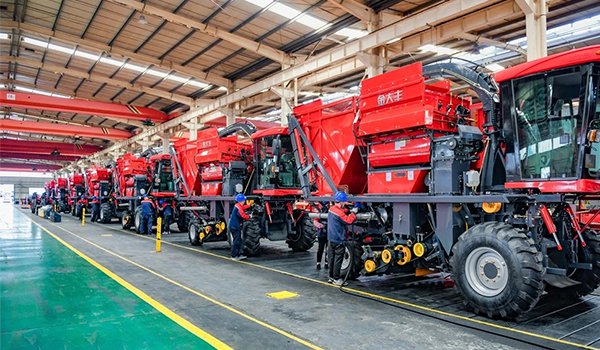
King-Gold Dafeng focuses on factory-direct manufacturing and export-oriented support. With strong production capacity and an integrated industrial chain, the company supports global buyers with stable supply and practical machine configurations for different farming regions.
Common Mistakes When Buying Grain Combine Harvesters
Some buyers choose a machine only because the price looks attractive. However, a low initial price may lead to higher long-term costs if the machine has weak components, poor cleaning performance, or difficult maintenance.
Another common mistake is choosing a machine that does not match local crop conditions. For example, a harvester designed for dry wheat fields may not perform well in wet paddy fields without proper configuration. Buyers should always compare machine design with real field conditions.
Finally, some buyers overlook spare parts availability. Even a strong machine needs regular maintenance during harvest seasons. Stable spare parts support can make the difference between smooth operation and costly downtime.
Why King-Gold Dafeng Grain Combine Harvesters Stand Out
When buyers evaluate grain combine harvesters, they should look beyond one specification. A strong machine comes from stable manufacturing, practical engineering, and long-term service support.
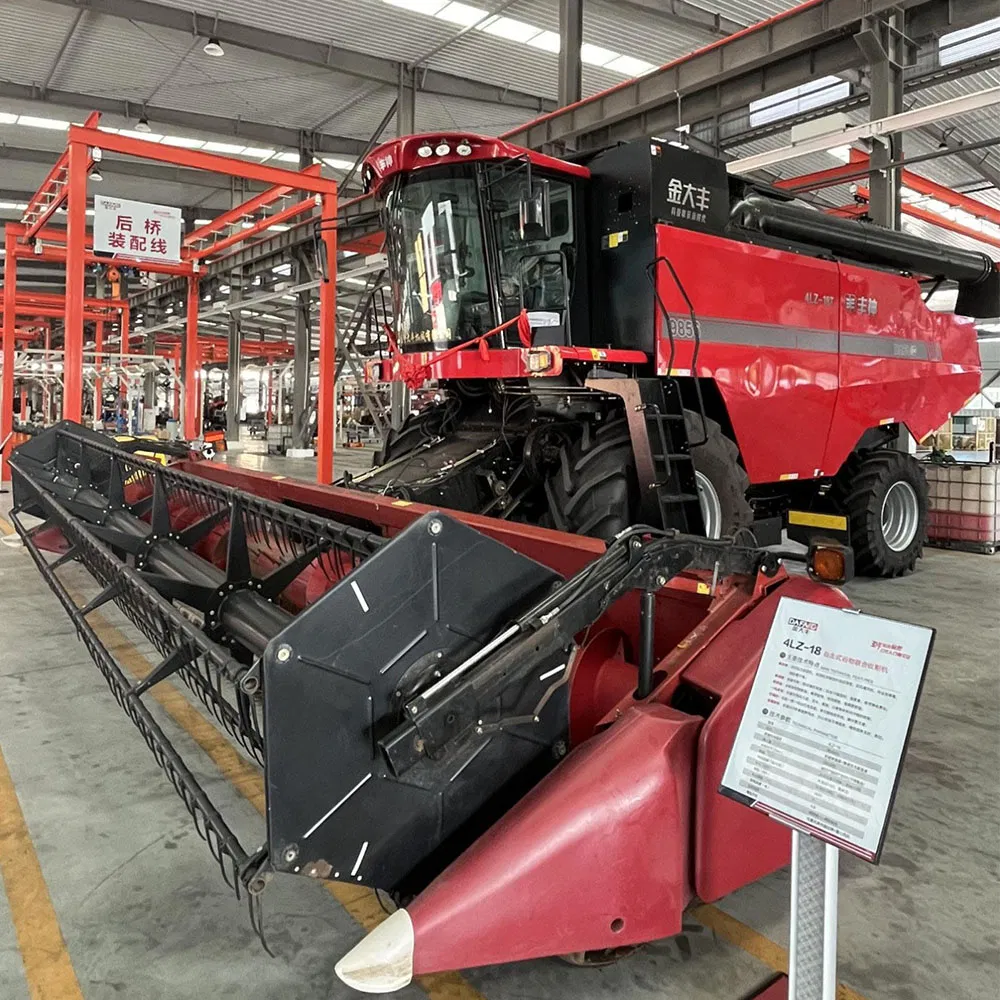
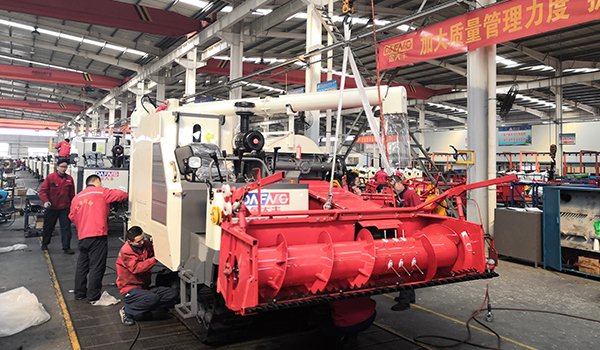
King-Gold Dafeng has over 35 years of agricultural machinery manufacturing experience. The company operates a large manufacturing base and supports key processes including machining, painting, assembly, and hydraulic systems. This production foundation helps maintain stable quality and reliable delivery.
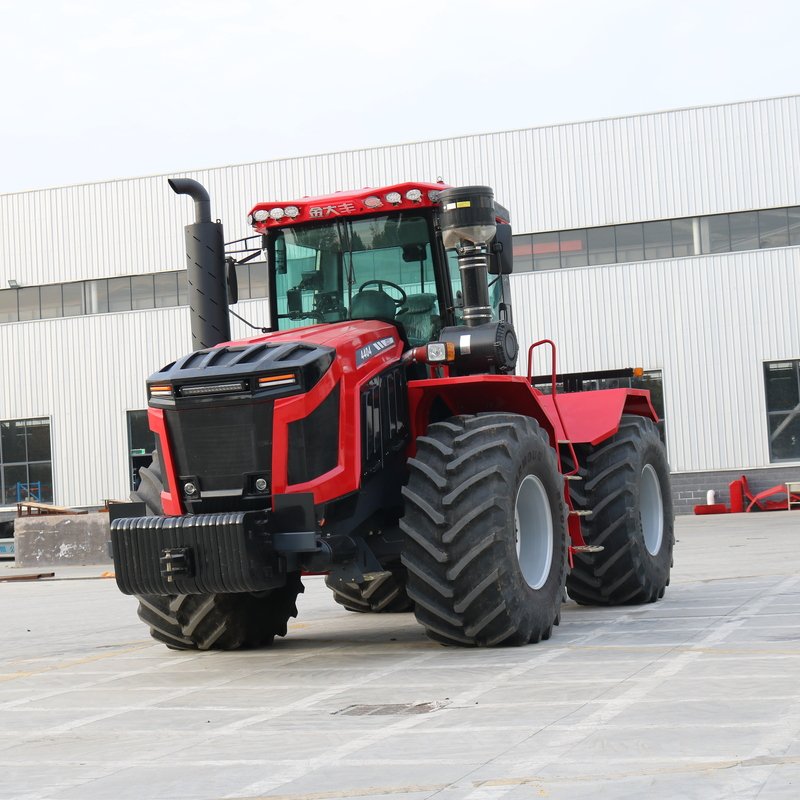
The product range includes tractors, grain combine harvesters, corn harvesters, rice harvesters, grain drills, and crop-specific agricultural machinery. For dealers, this broad product line makes it easier to build a complete agricultural equipment portfolio from one supplier.
More importantly, King-Gold Dafeng supports OEM and customization options. Buyers can adjust machine configuration, color, logo, and export packaging based on market requirements. This flexibility helps distributors build stronger local competitiveness.
Future Trends in Grain Harvesting Machinery
The global combine harvester market continues to move toward higher efficiency, better fuel control, and improved grain quality. Buyers increasingly prefer machines that reduce labor needs while supporting multiple crops.
In the future, practical design will matter more than oversized specifications. Farmers and dealers will continue looking for machines that provide stable performance, easier maintenance, and reliable parts availability. Manufacturers that understand these needs will gain stronger positions in export markets.
Final Thoughts
Choosing the right grain combine harvesters requires a clear understanding of crop type, field conditions, productivity goals, and supplier reliability. A good machine should not only harvest efficiently but also support long-term operation with stable quality and accessible maintenance.
For global buyers, dealers, and project purchasers, working with an experienced manufacturer can reduce sourcing risks and improve long-term business value. With strong manufacturing capability, export experience, and customization support, King-Gold Dafeng provides practical grain harvesting solutions for modern agriculture.
As farming operations continue to scale up, reliable combine harvesters will remain essential for improving harvest efficiency, reducing crop loss, and supporting sustainable agricultural development.