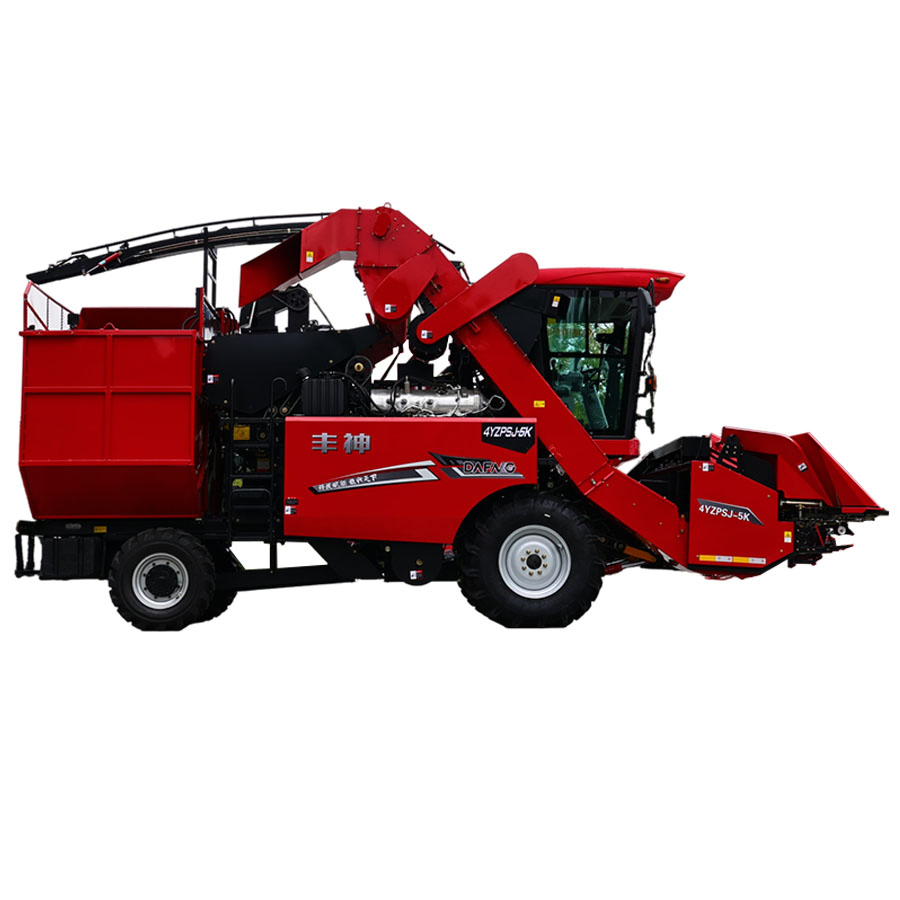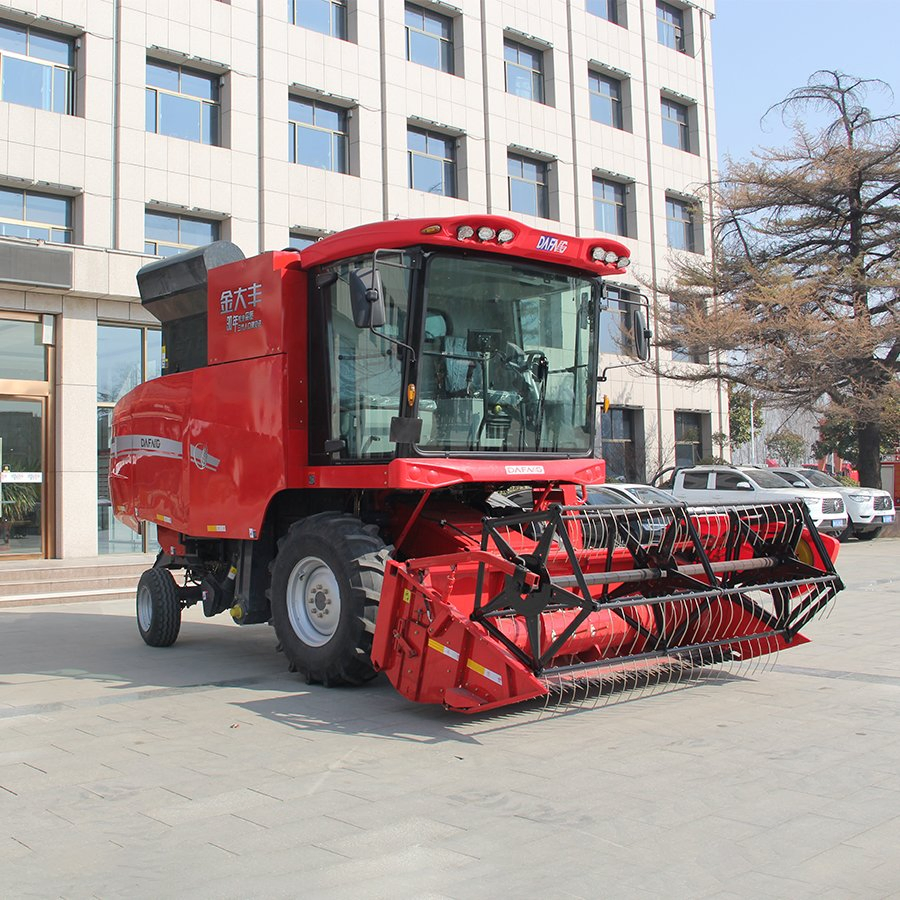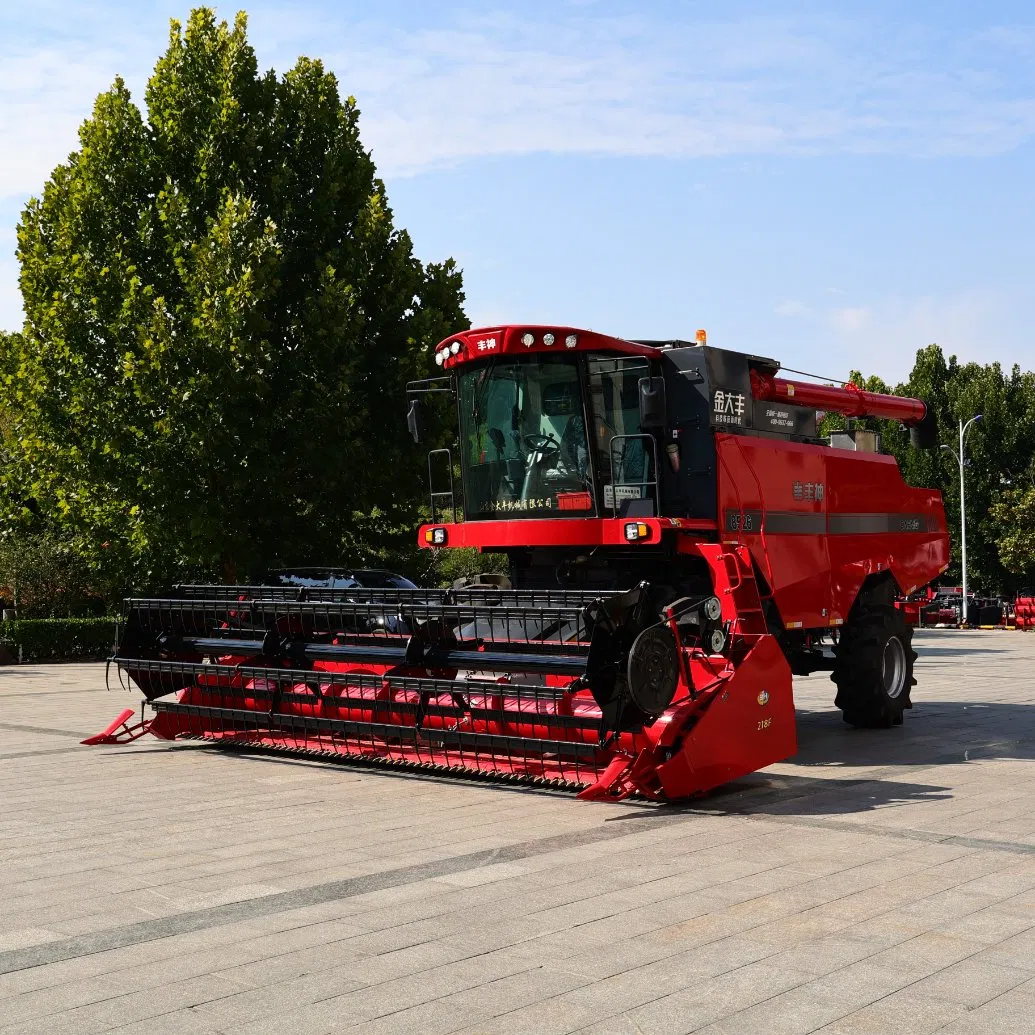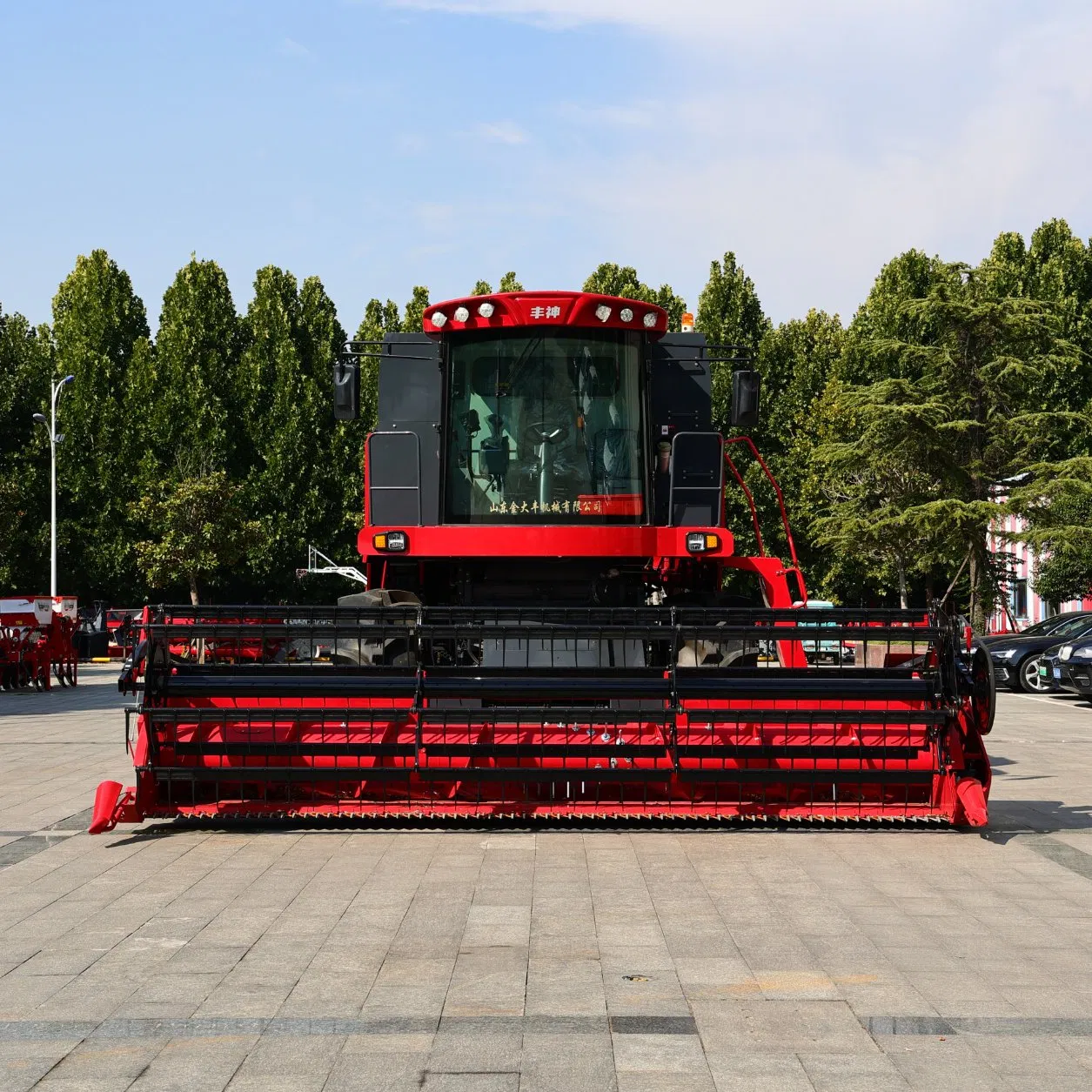
Plowing remains one of the most important steps in modern farming. For this reason, selecting the right tractor for plowing directly affects soil preparation quality, crop yield, and overall farm efficiency.
Many buyers focus only on horsepower when choosing a tractor. However, real field performance depends on multiple factors including traction, hydraulic capability, and machine stability. Understanding these elements helps farmers and distributors select equipment that performs reliably under actual working conditions.
Why Plowing Requires the Right Type of Tractor
Plowing is a heavy-duty operation that requires strong pulling power and stable performance. A tractor that is not properly matched to the workload may struggle in hard soil, leading to inefficient work and increased fuel consumption.
A well-matched agricultural tractor ensures consistent plowing depth, smooth operation, and reduced wear on both the machine and the implement.
Key Features to Look for in a Tractor for Plowing
High Torque and Engine Performance
Plowing requires continuous power under load. A diesel engine with strong torque output allows the tractor to maintain stable speed even in difficult soil conditions.
Traction and Drive System
4WD tractors provide better traction compared to 2WD models, especially in wet or uneven fields. This improves efficiency and reduces slippage during plowing operations.
Hydraulic Lifting System
A strong hydraulic system ensures smooth lifting and control of plowing equipment. This is essential for maintaining consistent working depth.
PTO and Implement Compatibility
Although plowing is mainly traction-based, many farming operations require tractors that can also support PTO-driven equipment for multi-purpose use.
Recommended Tractor Specifications for Plowing Work
The following table provides a general reference for selecting a tractor for plowing based on typical farming needs:
| Farm Size | Recommended Power | Drive Type | Plow Type | Typical Application |
|---|---|---|---|---|
| Small Farms | 50–80 HP | 2WD / 4WD | Single or Double Furrow Plow | Light soil plowing and preparation |
| Medium Farms | 80–120 HP | 4WD Preferred | 3–4 Furrow Plow | Regular field plowing and mixed farming |
| Large Farms | 150 HP+ | 4WD | Multi-Furrow Heavy Plow | Deep plowing and large-scale land preparation |
Matching Tractor Size with Soil Conditions
Soil type plays a major role in tractor selection. Soft soil requires less power, while hard or dry soil demands higher horsepower and stronger traction.
For example, clay-heavy fields often require a higher horsepower farm tractor with 4WD capability to maintain consistent performance.
How Plowing Efficiency Impacts Overall Farming Productivity
Efficient plowing improves soil structure and allows better water absorption and root development. This directly influences crop yield and planting success.
Using the right tractor for plowing reduces working time and fuel consumption while improving field consistency. Over time, this leads to better farm management and lower operating costs.
Choosing a Reliable Tractor Manufacturer
The quality of a tractor depends heavily on its manufacturer. A reliable supplier ensures stable performance, durable components, and consistent production standards.
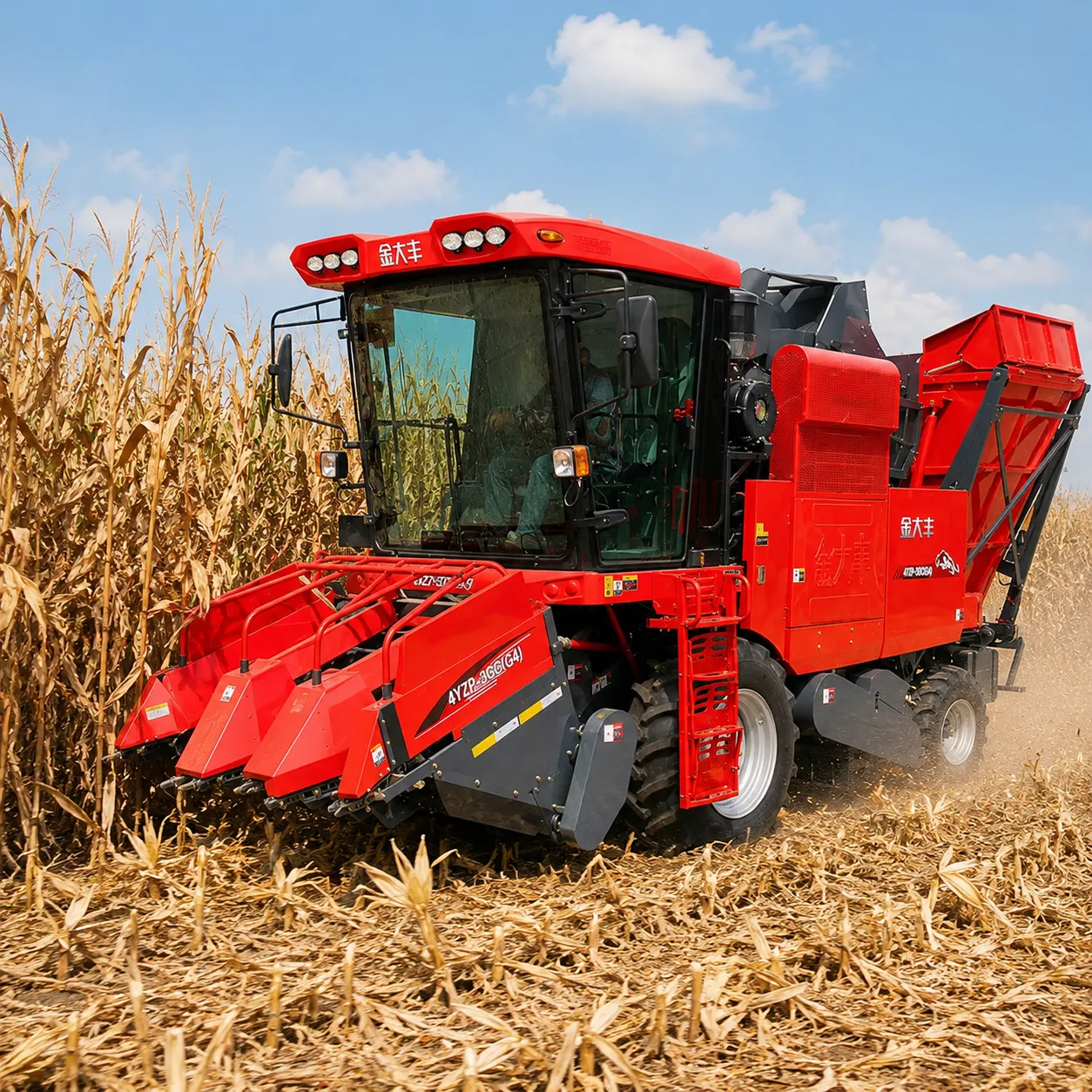
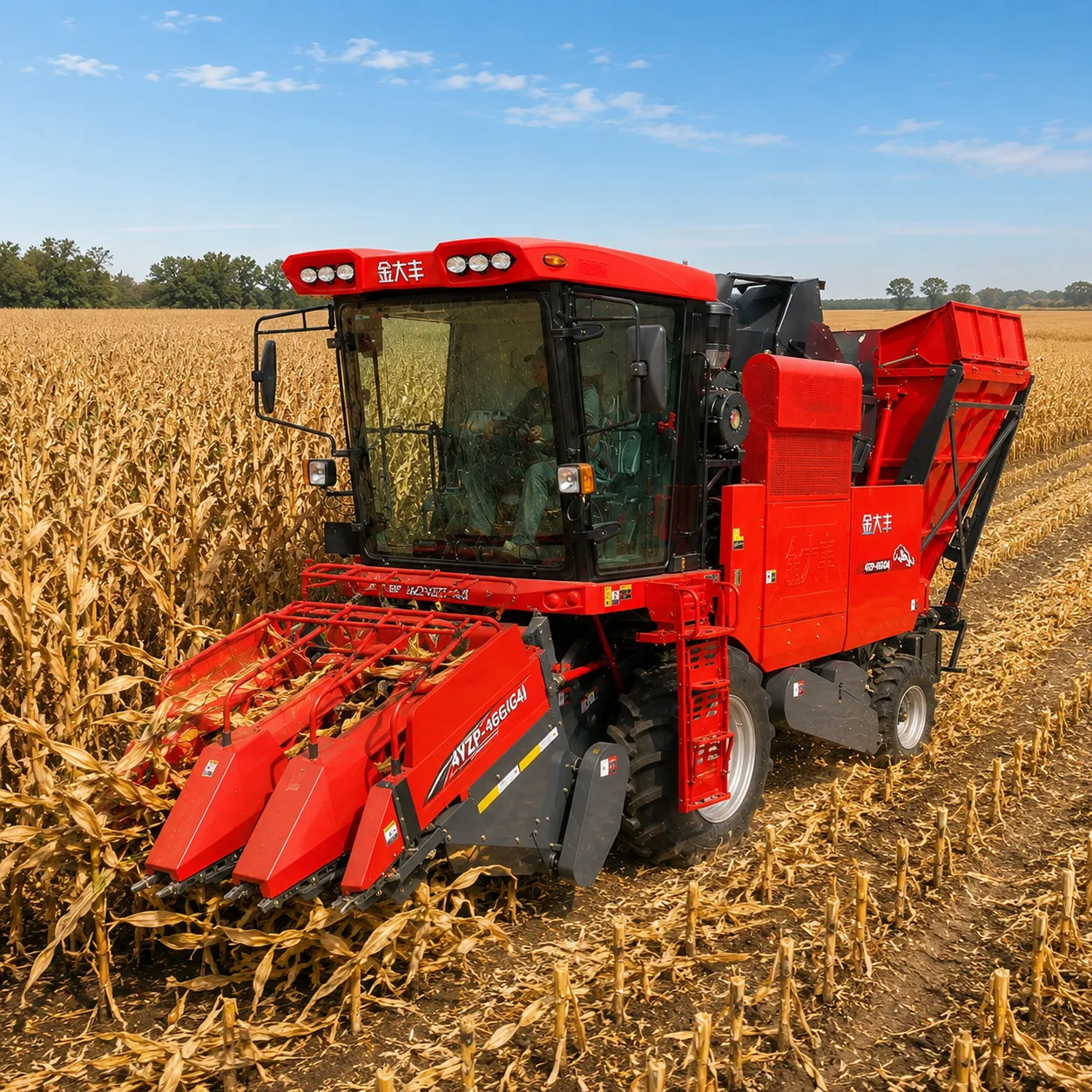
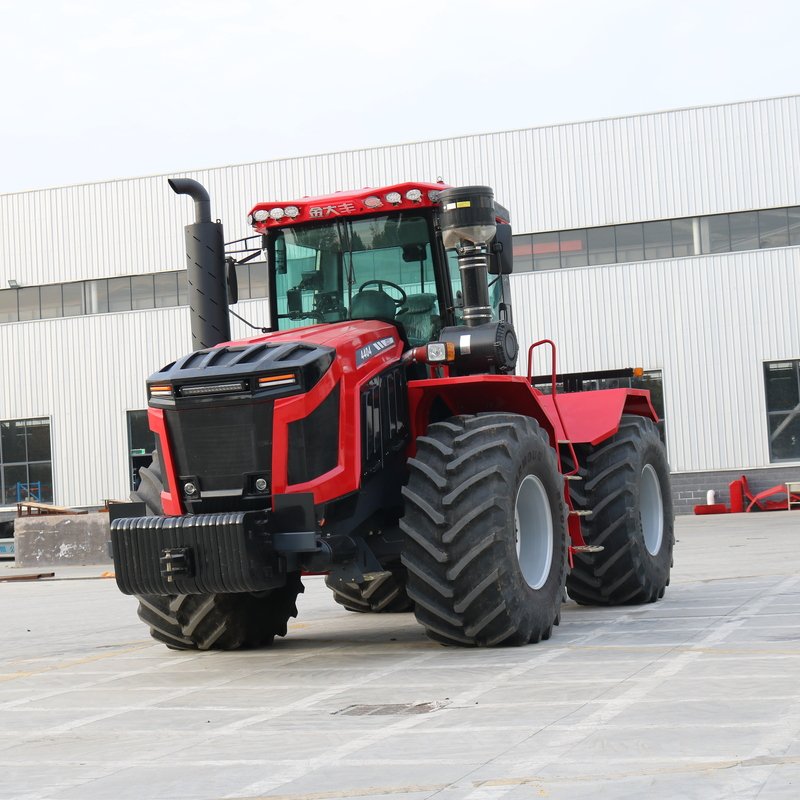
At King-Gold Dafeng, we manufacture agricultural tractors designed for demanding fieldwork such as plowing and land preparation. Our machines combine strong power output with reliable structural design to perform efficiently across different soil conditions.
We also support customization options to match regional farming requirements, helping distributors and farmers choose the most suitable solutions.
Final Thoughts: The Right Tractor Makes Plowing Easier
Selecting the right tractor for plowing requires a clear understanding of farm size, soil condition, and workload. Instead of focusing only on price or horsepower, buyers should evaluate overall performance and long-term efficiency.
A properly matched tractor will improve productivity, reduce operating costs, and ensure consistent results in field preparation.