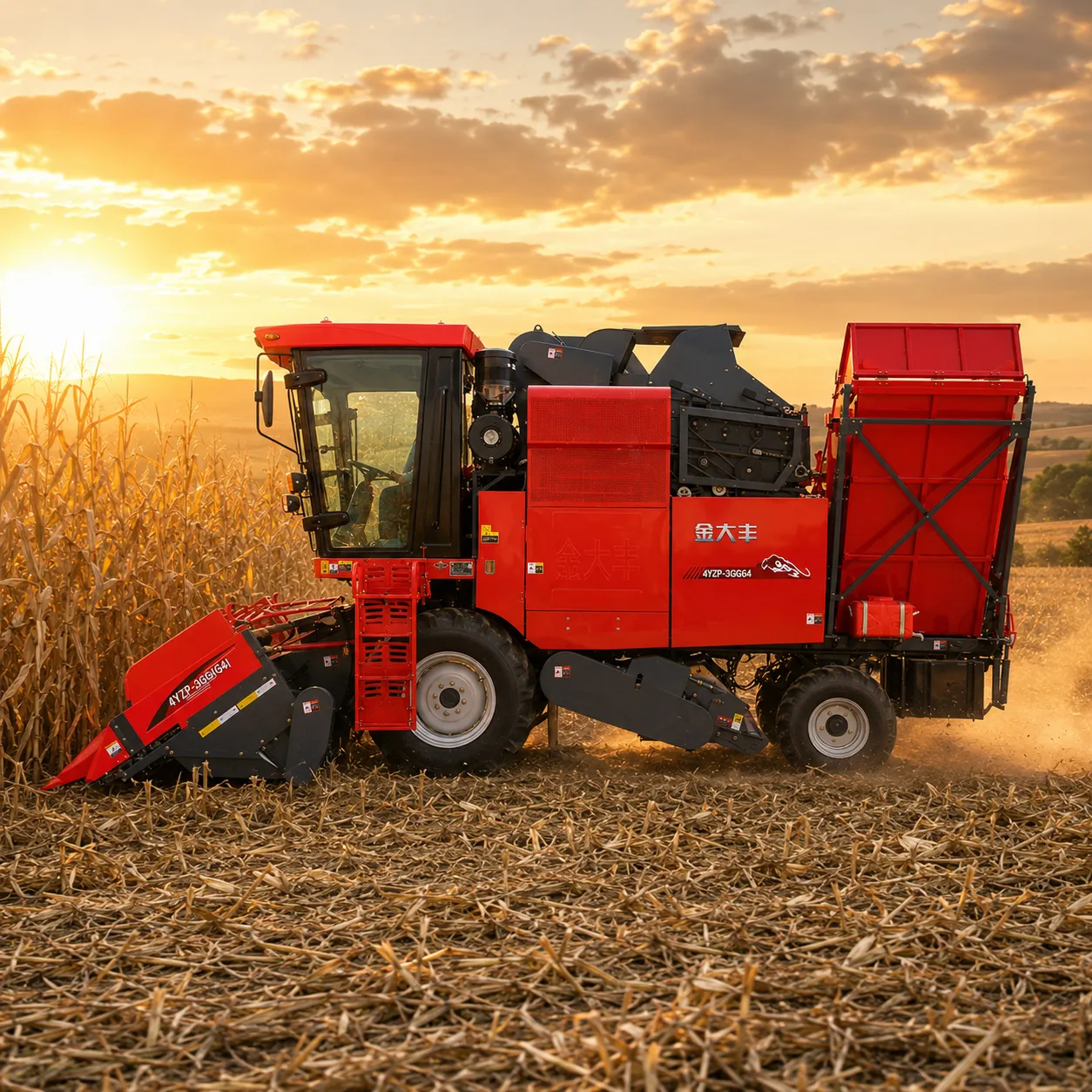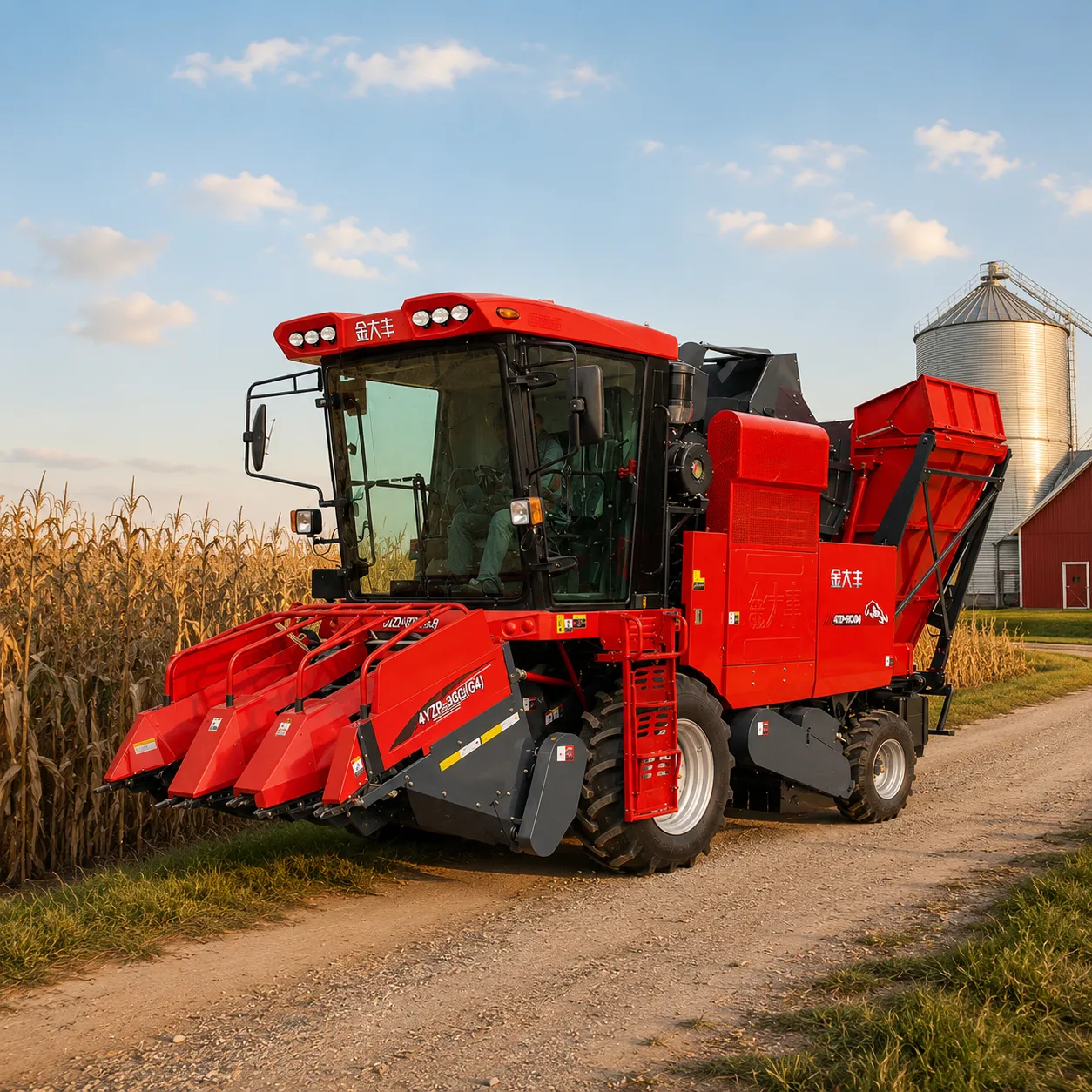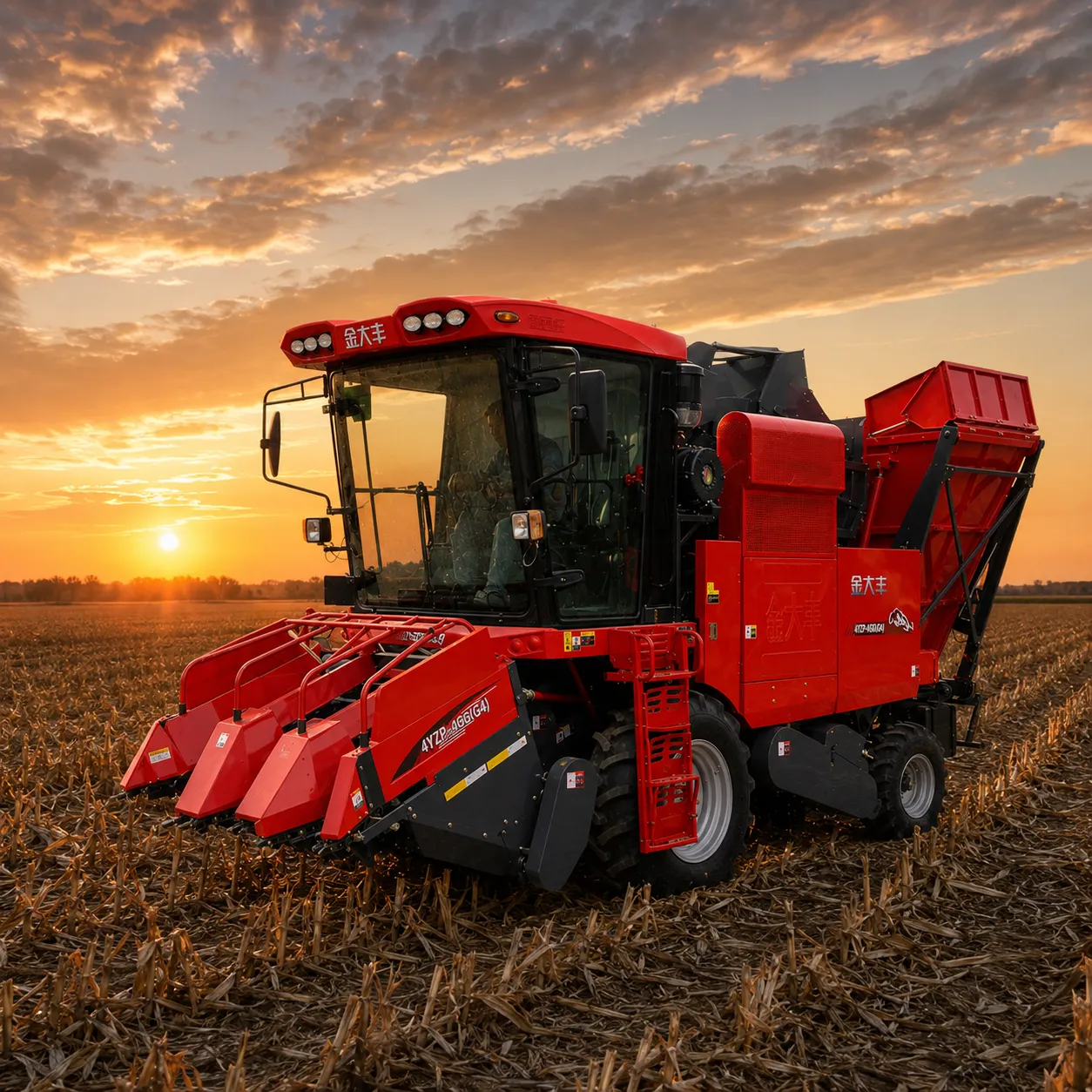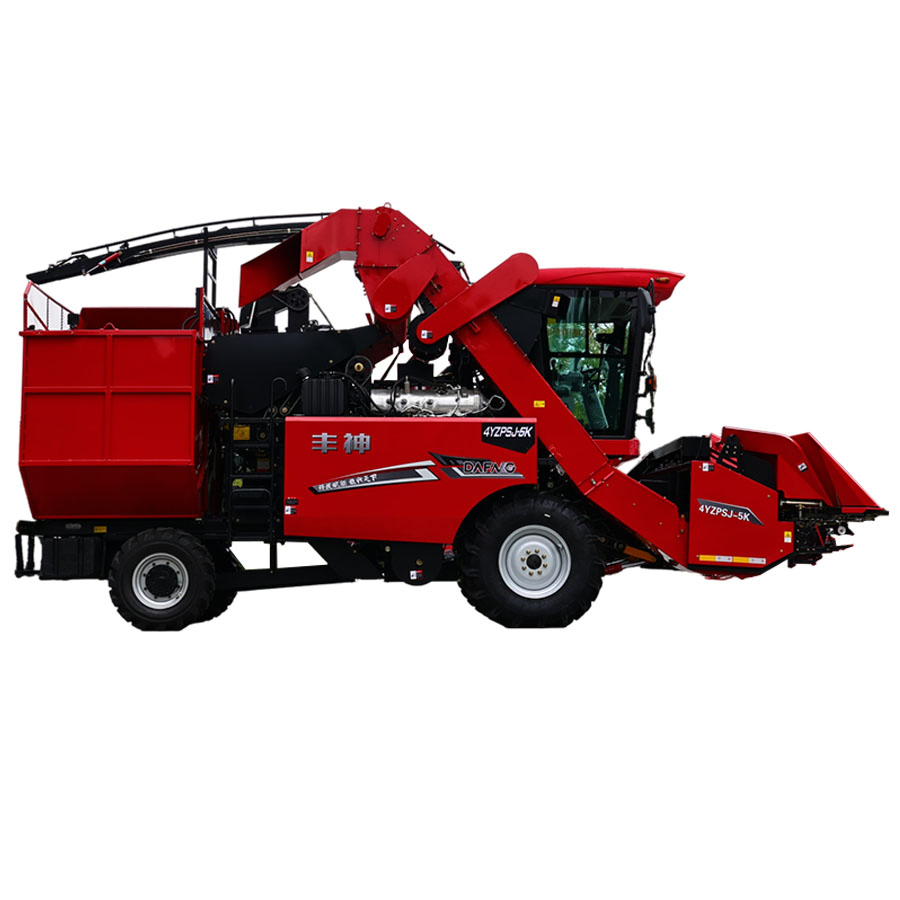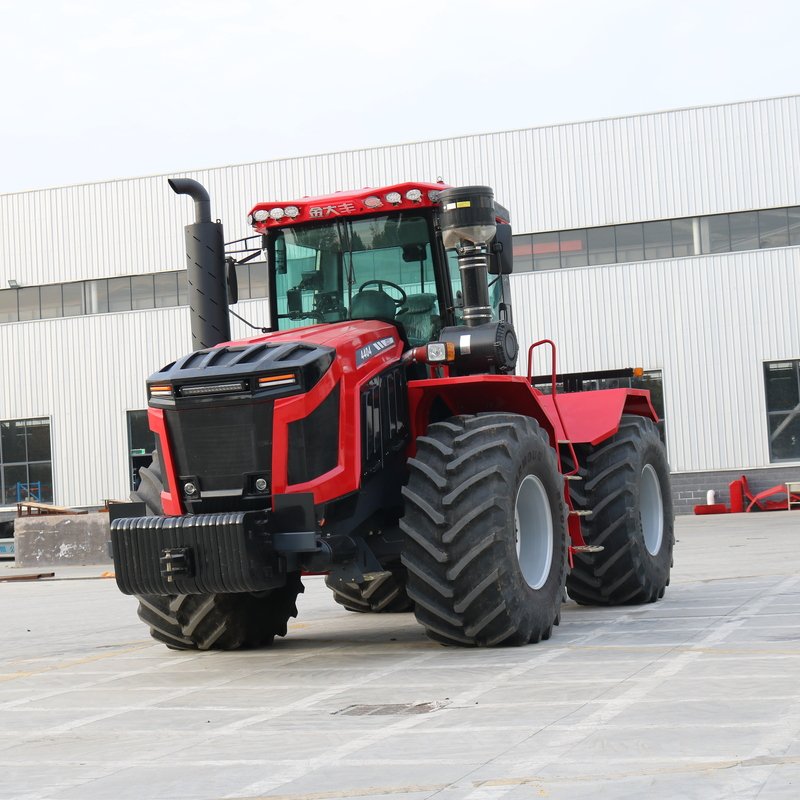
Agricultural tractors play a central role in modern farming. Whether you operate a small farm or manage large-scale agricultural land, the right tractor directly influences productivity, efficiency, and operating costs. However, many buyers still rely on basic specifications when making a decision, which often leads to mismatched equipment and reduced performance.
In this guide, we will explore how agricultural tractors support different farming tasks, what factors you should consider before purchasing, and how to select the right machine for your specific needs. At King-Gold Dafeng, we work closely with global distributors and farmers, so we base this guide on real-world applications rather than theoretical data.
What Is an Agricultural Tractor and Why It Matters
An agricultural tractor is a powerful machine designed to perform a wide range of farming tasks. Unlike general vehicles, tractors focus on pulling, lifting, and powering various implements through PTO systems and hydraulic control.
Because of this versatility, farmers use tractors for soil preparation, planting support, transportation, and field maintenance. As farming operations continue to expand, the role of tractors becomes even more critical in improving efficiency and reducing labor dependency.
Main Types of Agricultural Tractors
Before choosing a tractor, you need to understand the different types available in the market. Each type fits specific working conditions and farm sizes.
Compact and Utility Tractors
Compact tractors usually operate within the 50HP to 80HP range. Farmers often use them in orchards, greenhouses, and smaller plots. Their size allows easy maneuverability, especially in tight working spaces.
These tractors handle light-duty work such as spraying, small-scale tillage, and material transport. Because of their lower fuel consumption, they offer a cost-effective solution for small farm owners.
Medium Power Agricultural Tractors
Medium horsepower tractors between 90HP and 120HP provide a strong balance between performance and flexibility. Many farmers prefer this category because it supports multiple farming tasks without excessive fuel consumption.
Operators use these tractors for plowing, seeding, hauling, and running PTO-driven implements. In most export markets, this range remains the most practical choice for mixed farming operations.
Heavy-Duty Farm Tractors
Large farms require machines that can deliver consistent power under heavy load. Tractors above 150HP meet this demand by providing stronger traction and higher working efficiency.
These machines handle deep tillage, large-scale planting, and heavy transport tasks. As a result, they significantly reduce working time and improve overall farm productivity.
Key Features That Define Tractor Performance
Once you understand tractor types, the next step involves evaluating key performance factors. These elements directly influence how well the tractor performs in real conditions.
Engine Power and Fuel Efficiency
Engine performance determines the tractor’s ability to handle heavy implements. At the same time, fuel efficiency affects long-term operating costs. Therefore, you should always balance power output with fuel consumption.
Instead of choosing the highest horsepower, focus on selecting the right power level based on your workload.
Hydraulic System and Lifting Capacity
The hydraulic system controls how effectively the tractor operates implements. A strong hydraulic lifting system ensures stable performance when using plows, seeders, and sprayers.
For farmers who rely on multiple attachments, hydraulic efficiency becomes a key decision factor.
PTO System and Versatility
The power take-off system allows tractors to operate external equipment such as rotary tillers and seed drills. Reliable PTO performance ensures smooth operation across different farming tasks.
Because of this feature, a single agricultural tractor can replace multiple machines.
Transmission and Operator Control
Smooth transmission improves control and reduces operator fatigue. Modern tractors offer different transmission systems that support easier gear shifting and more precise movement.
For long working hours, this feature becomes essential for maintaining efficiency.
How to Choose the Right Agricultural Tractor
Now that you understand the technical aspects, you can focus on selecting the right tractor for your needs. Instead of relying on a single factor, you should consider a combination of working conditions and long-term goals.
First, evaluate your farm size and soil condition. Larger fields require higher horsepower, while smaller farms benefit from compact and flexible machines.
Next, consider the type of implements you plan to use. The tractor must match the equipment to ensure stable operation.
Finally, think about long-term maintenance and parts availability. A reliable supplier can provide consistent support and reduce downtime.
Why Agricultural Tractor Selection Matters for Global Buyers
Different markets demand different tractor configurations. Climate, terrain, and farming practices vary significantly across regions, which directly affects equipment performance.
For example, tropical regions often require compact tractors for rice fields, while large farms in Europe and Africa need higher horsepower machines for heavy-duty work.
Because of these differences, buyers should always work with manufacturers that support customization.
Working with a Reliable Agricultural Tractor Manufacturer
Choosing the right supplier plays an equally important role. A professional manufacturer not only provides machines but also supports long-term business development.
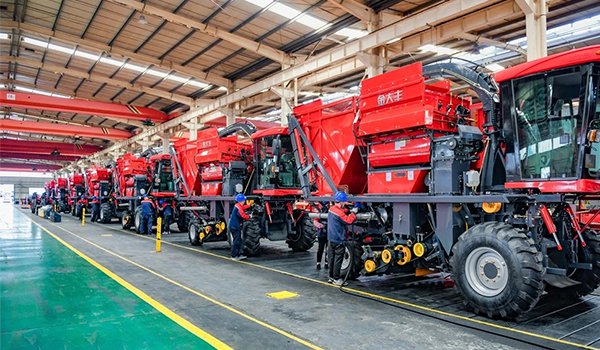
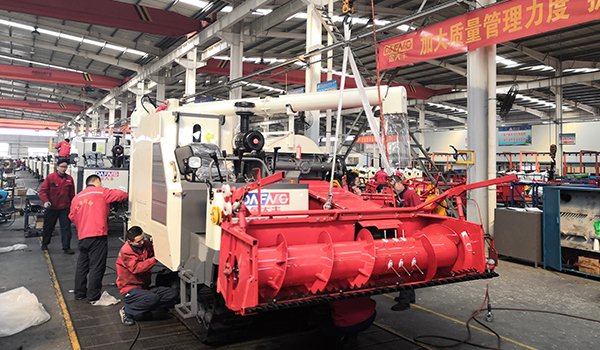
At King-Gold Dafeng, we offer complete manufacturing capabilities, stable production capacity, and flexible customization options. We support distributors and dealers by providing consistent quality, reliable delivery, and professional technical assistance.
This approach helps our partners build strong market competitiveness and long-term customer trust.
Final Thoughts
Agricultural tractors remain the backbone of modern farming. Choosing the right machine requires a clear understanding of your needs, working conditions, and long-term goals.
By focusing on performance, adaptability, and supplier reliability, you can make a more informed decision and achieve better results in your farming operations.
If you plan to expand your business or upgrade your equipment, investing in the right agricultural tractor will always bring long-term value.