Table of contents
- Why Choosing the Right Combine Harvester Matters
- Step 1: Identify Your Main Crop Type
- Step 2: Match Machine Power with Farm Size
- Step 3: Evaluate Cutting Width and Feeding Capacity
- Step 4: Check the Threshing and Cleaning System
- Step 5: Consider Grain Tank Capacity and Unloading Height
- Step 6: Understand Field Conditions and Chassis Type
- Step 7: Focus on Maintenance and Spare Parts Supply
- Step 8: Compare Price with Long-Term Value
- Why Supplier Choice Matters
- Recommended Combine Harvester Selection Checklist
- How This Article Connects with Grain Combine Harvester Selection
Choosing the right combine harvester is one of the most important decisions for farmers, contractors, and agricultural machinery dealers. A combine harvester directly affects harvesting efficiency, grain quality, labor cost, and overall farm productivity. If the machine does not match the crop type or field condition, buyers may face higher fuel consumption, increased grain loss, and more downtime during the harvest season.
Many buyers start by comparing horsepower or price, but a professional purchasing decision requires more than that. The best combine harvester should match your main crops, field size, harvesting season, maintenance conditions, and long-term service needs. For global buyers and distributors, supplier reliability also plays a major role in building a stable business.
In this guide, we explain how to choose a combine harvester based on real farming needs. We will also show how experienced manufacturers such as King-Gold Dafeng support buyers with practical harvesting solutions for wheat, rice, corn, soybean, and other grain crops.
Why Choosing the Right Combine Harvester Matters
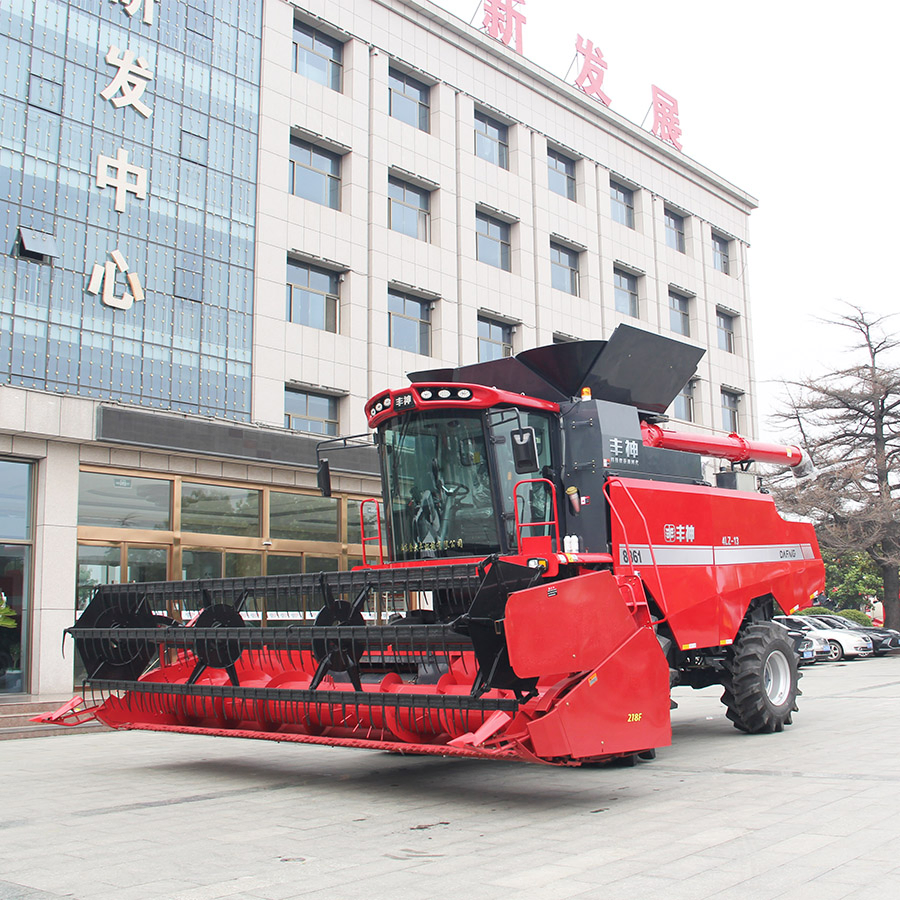
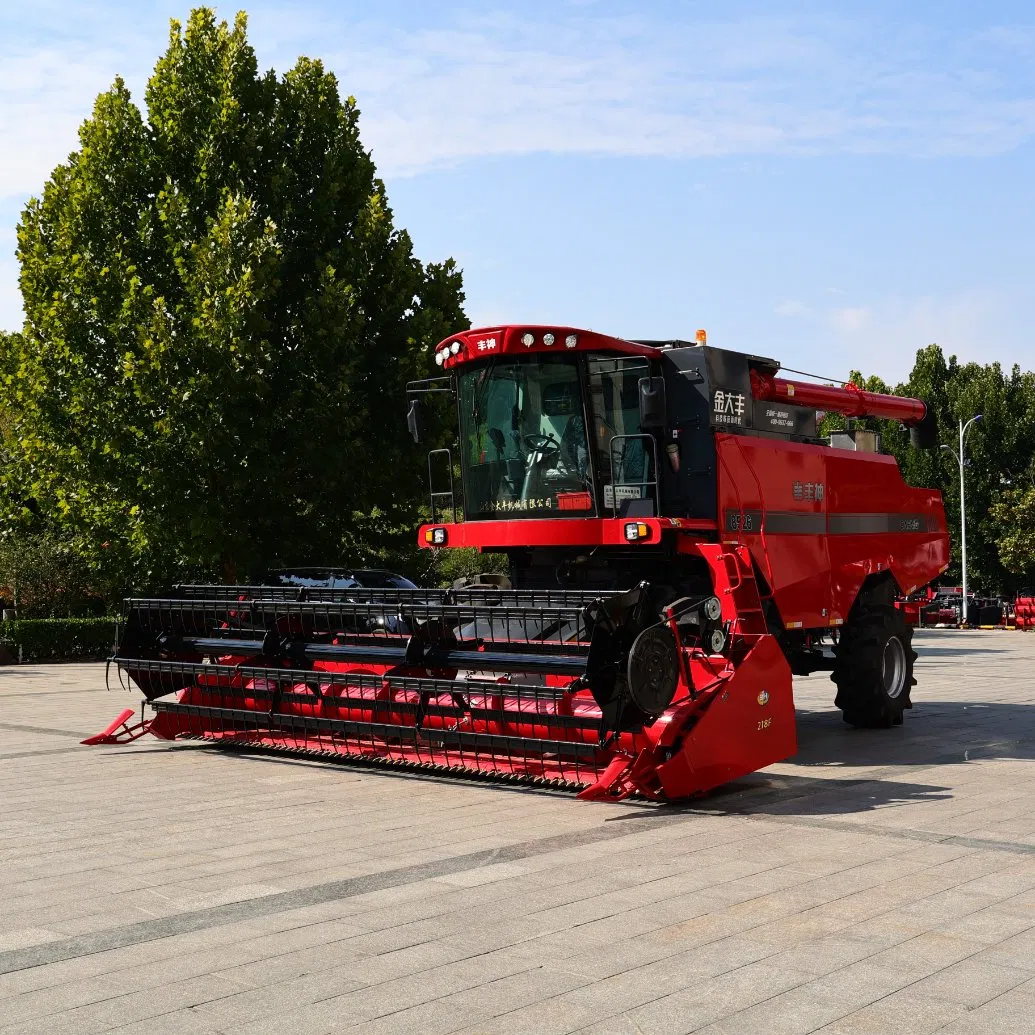
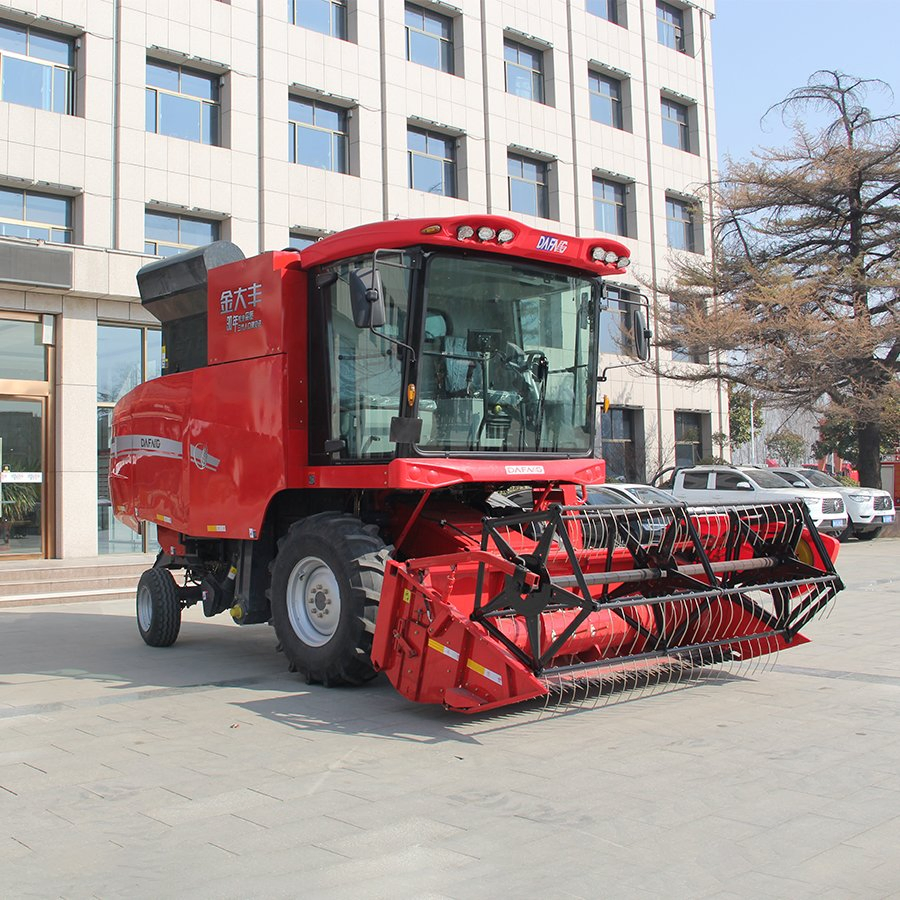
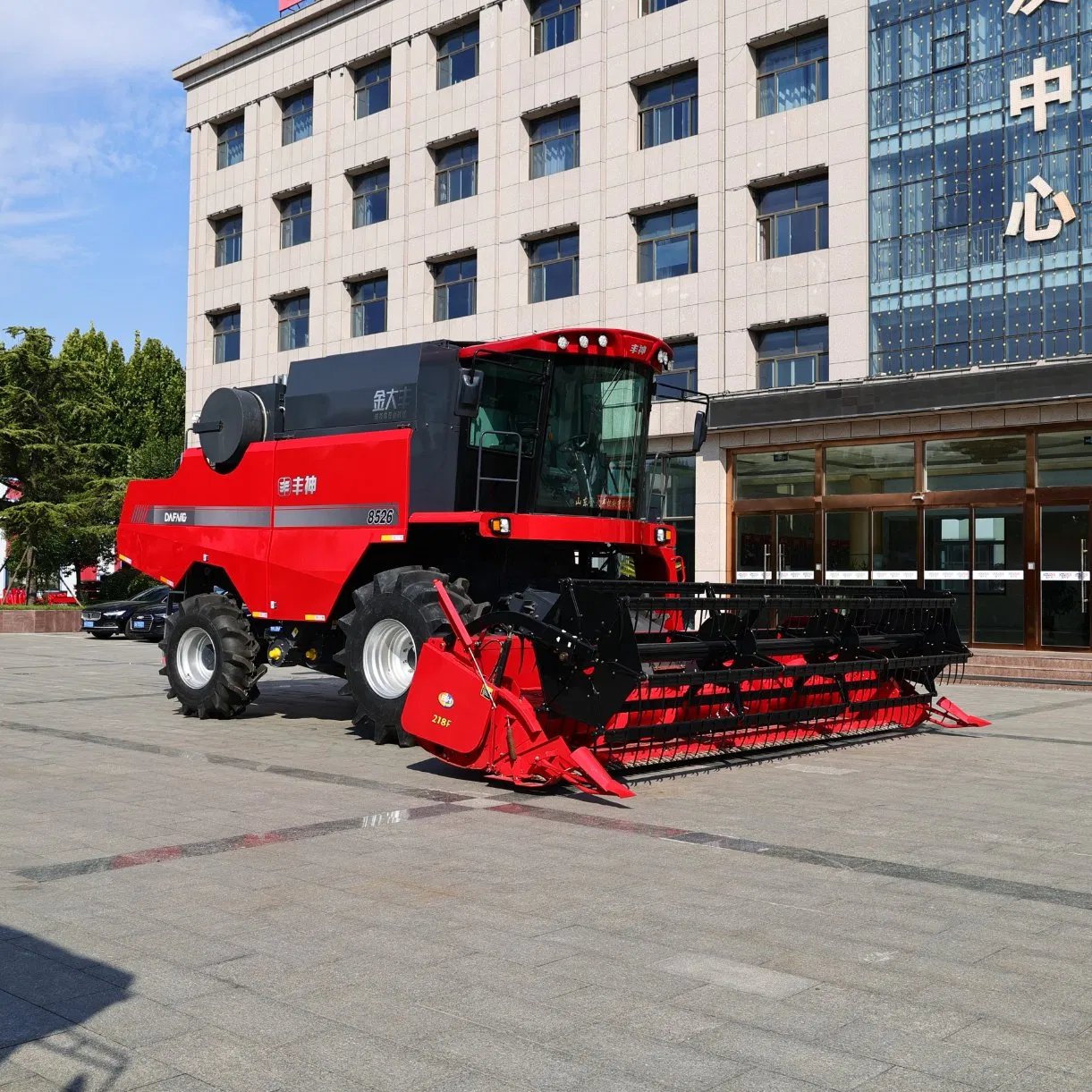
Harvesting is a time-sensitive operation. Once crops reach the right maturity stage, farmers must complete harvesting quickly to reduce field loss and protect grain quality. A reliable grain combine harvester helps finish this work efficiently by cutting, feeding, threshing, cleaning, collecting, and unloading grain in one continuous process.
If the machine is too small, it may not finish the work within the harvest window. If the machine is too large, it may increase fuel consumption and purchase cost without delivering better returns. Therefore, buyers should focus on balance rather than simply choosing the biggest or cheapest model.
A well-matched combine harvester improves productivity, reduces manual labor, and allows farmers to manage larger fields with fewer machines. For dealers, offering the right model helps improve customer satisfaction and reduce after-sales problems.
Step 1: Identify Your Main Crop Type
The first step is to confirm which crops the machine will harvest most often. Different crops require different feeding systems, threshing structures, cutting headers, and cleaning settings.
Wheat Harvesting
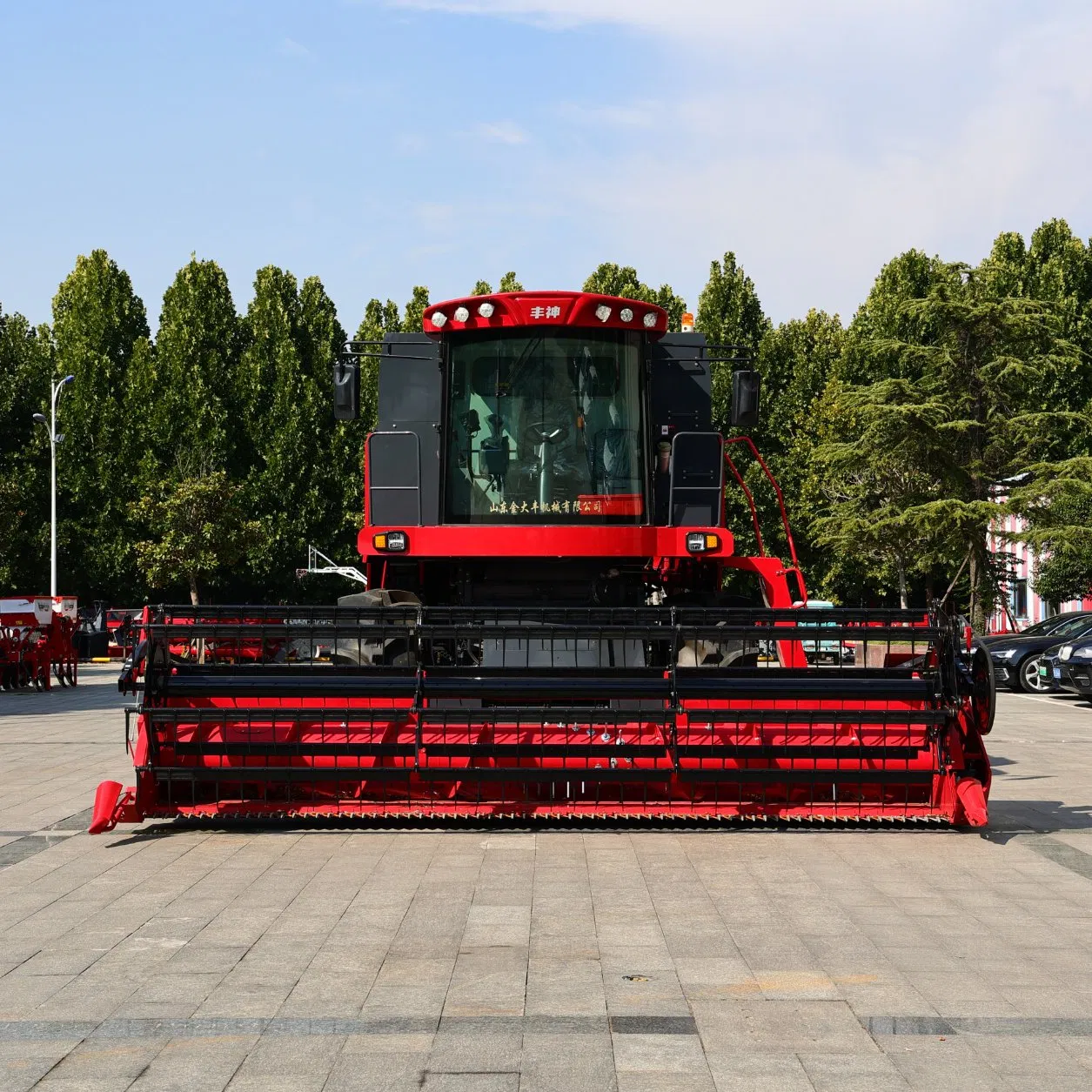
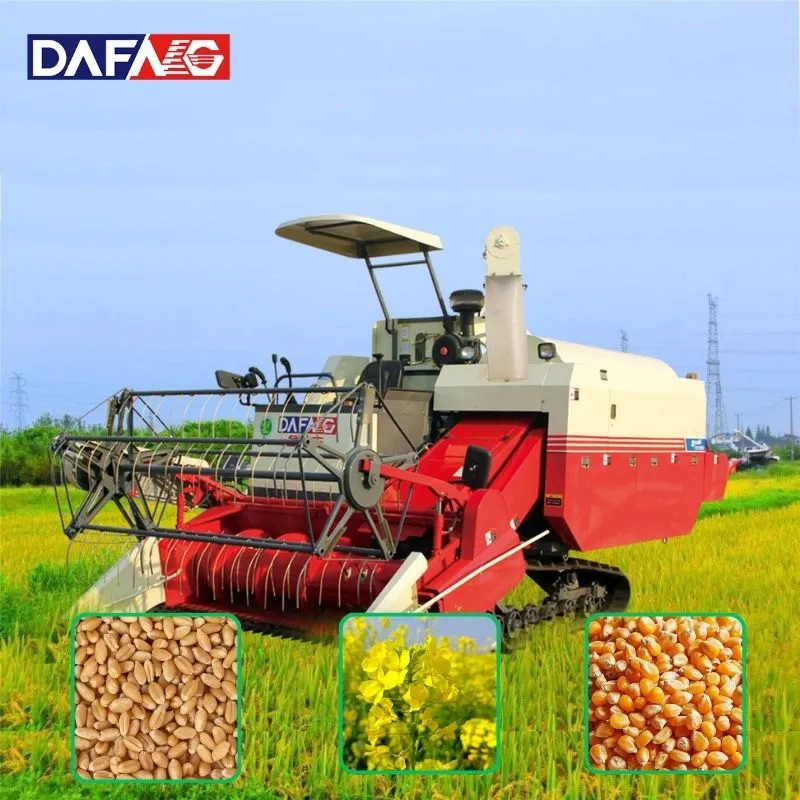
For wheat harvesting, buyers should focus on cutting width, feeding smoothness, threshing efficiency, and grain cleaning performance. Wheat fields often require fast operation and stable grain separation. A machine with good feeding capacity and an efficient cleaning system can reduce grain loss and improve harvest quality.
Rice Harvesting
Rice harvesting often takes place in wet or soft fields. In these conditions, traction and ground pressure become very important. Tracked rice combine harvesters or machines with strong field adaptability usually perform better in paddy areas. Buyers should also consider crop moisture and straw handling ability.
Corn and Maize Harvesting
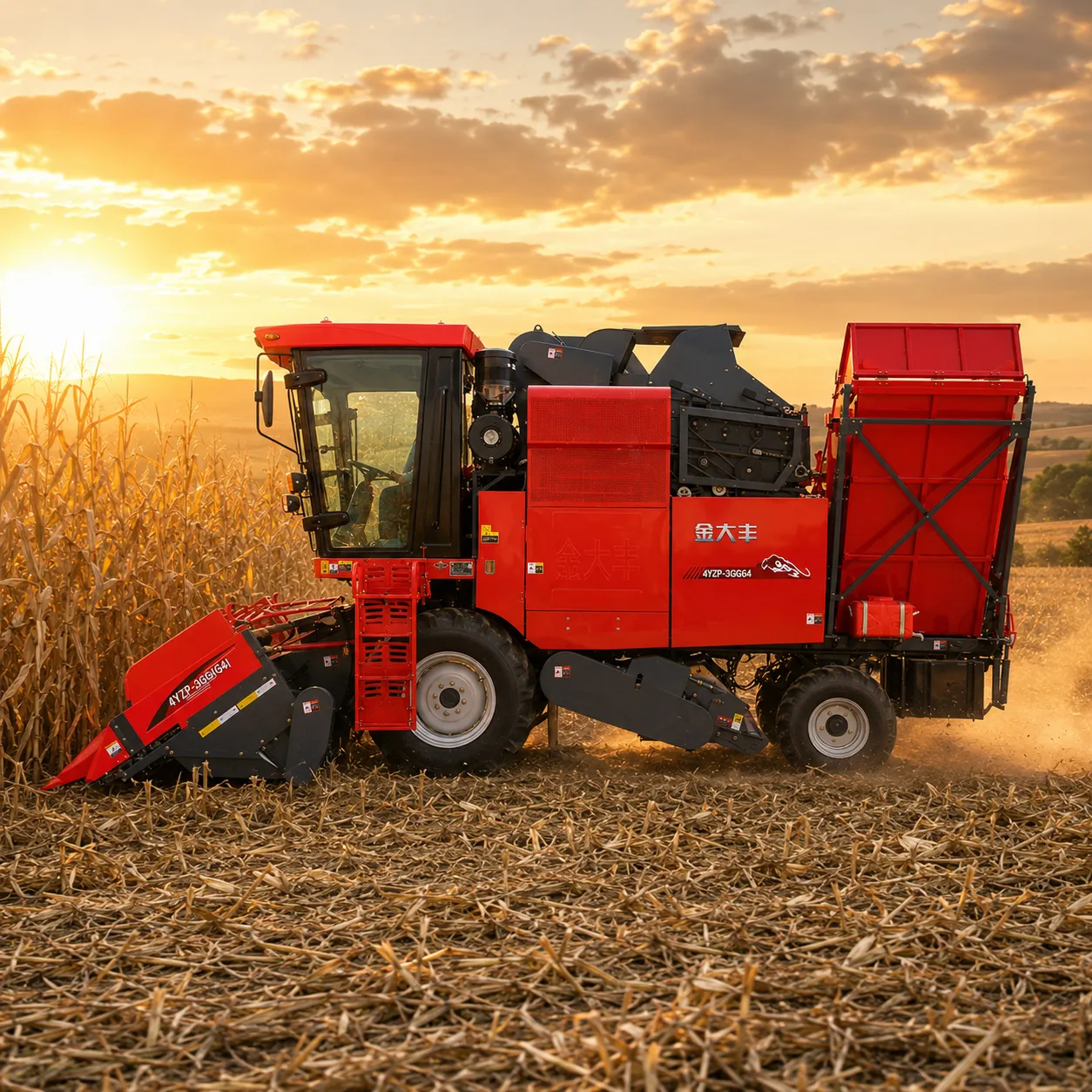
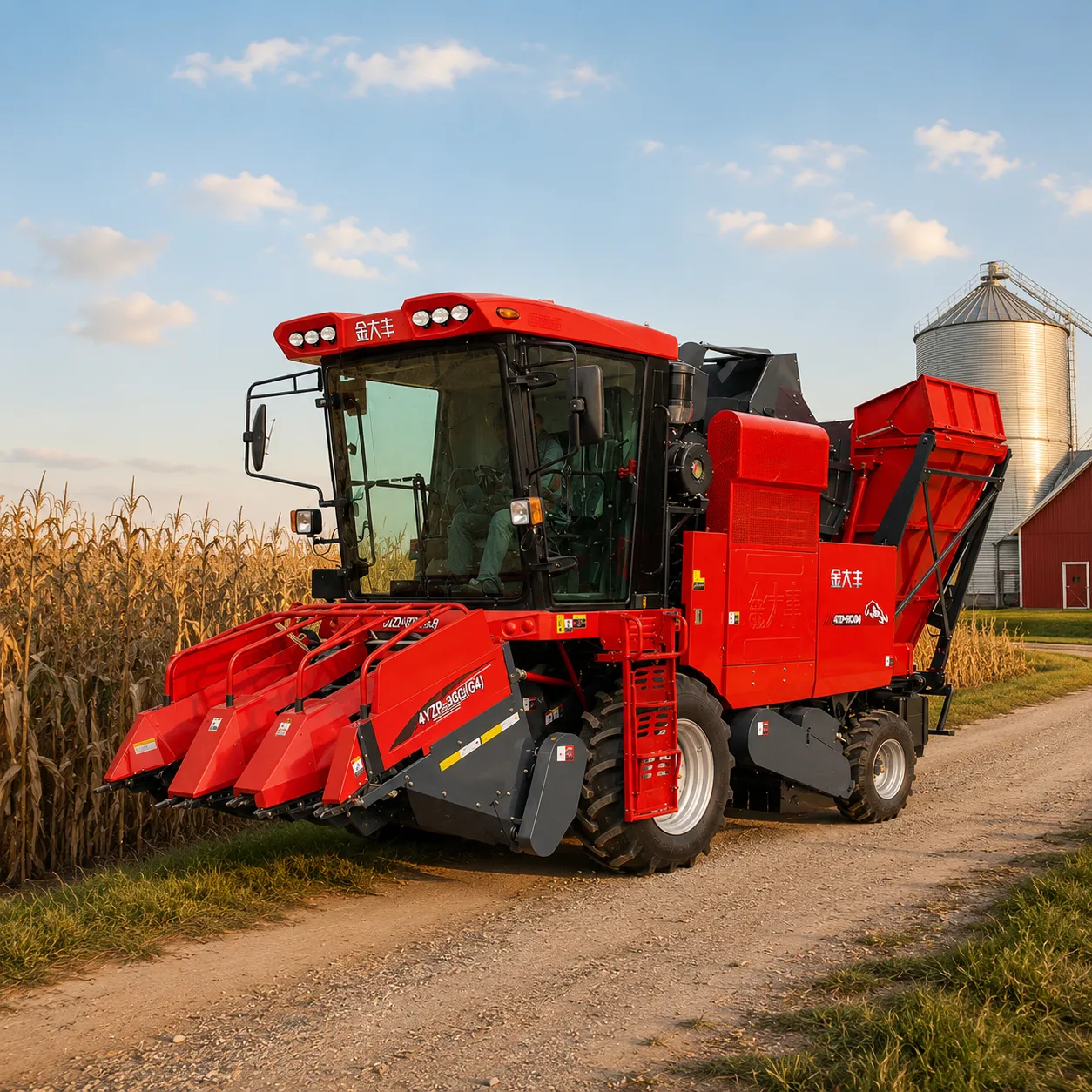
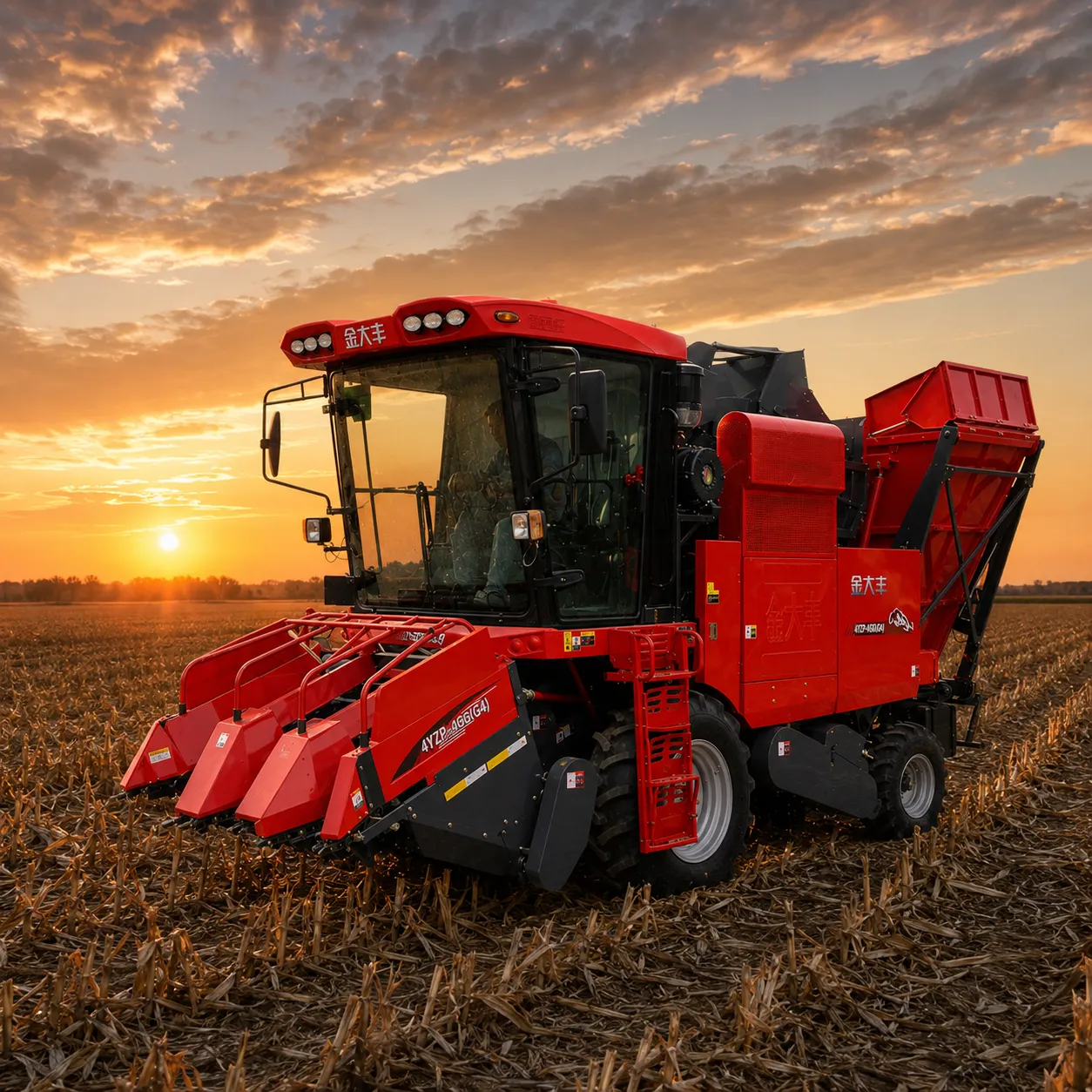
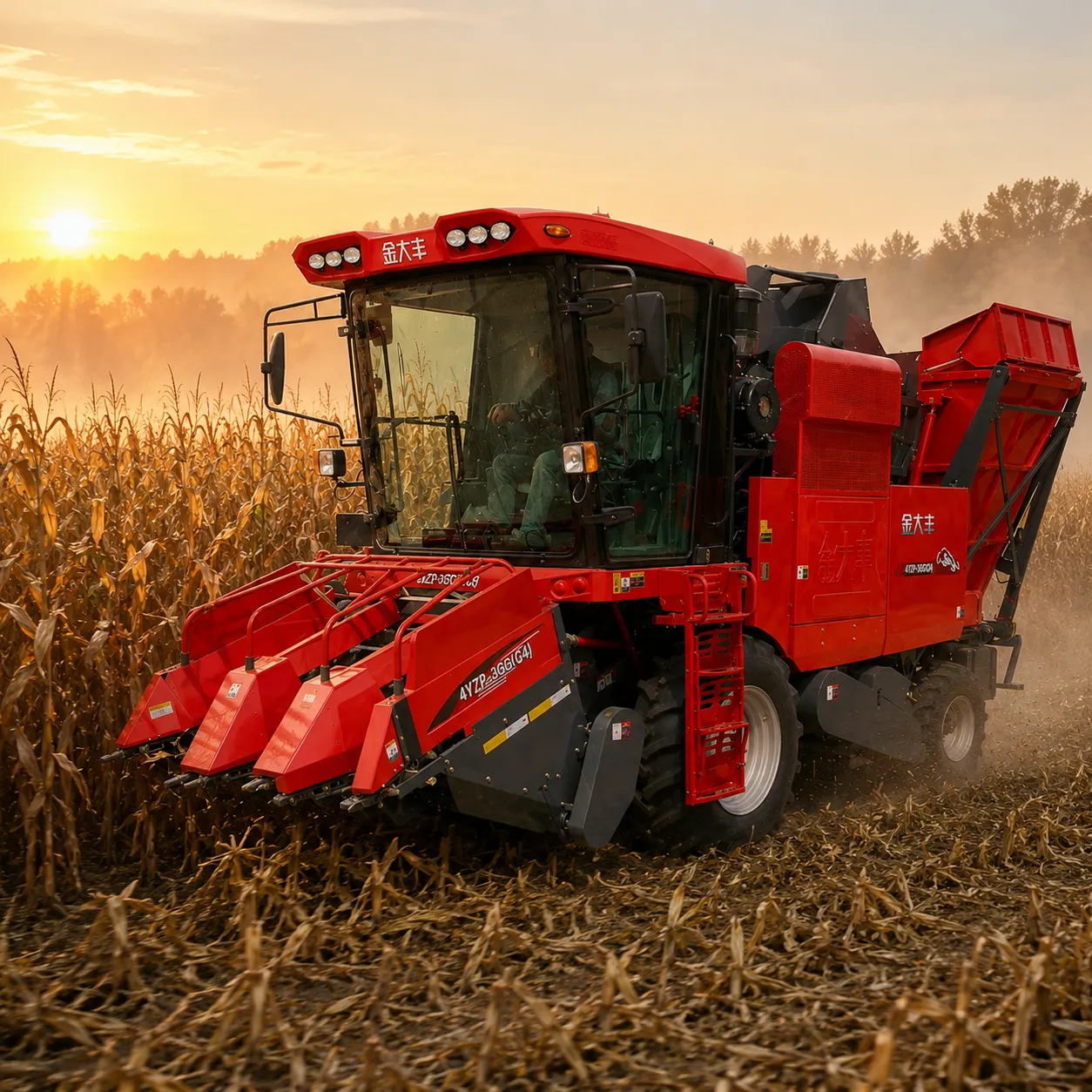
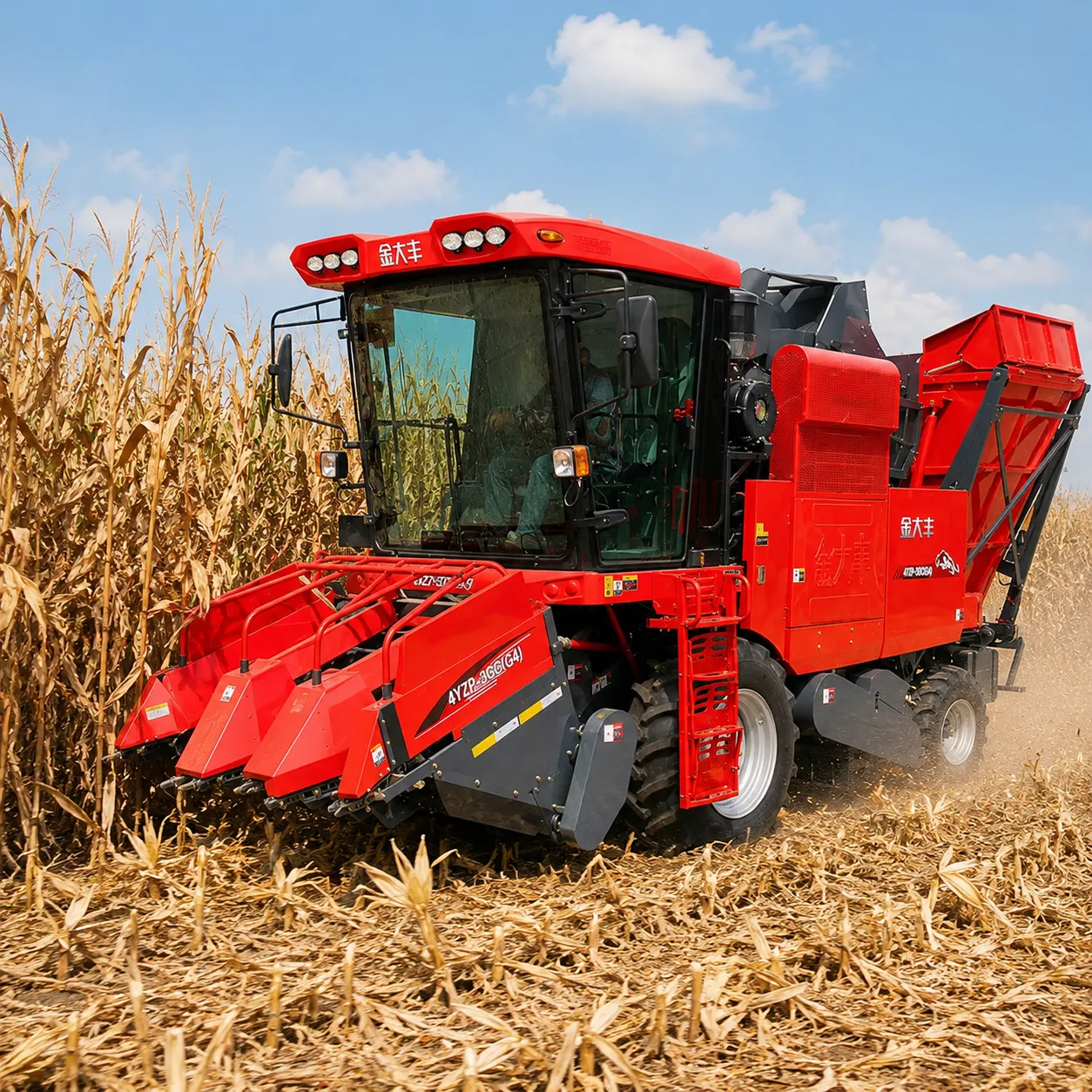
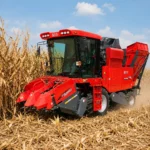
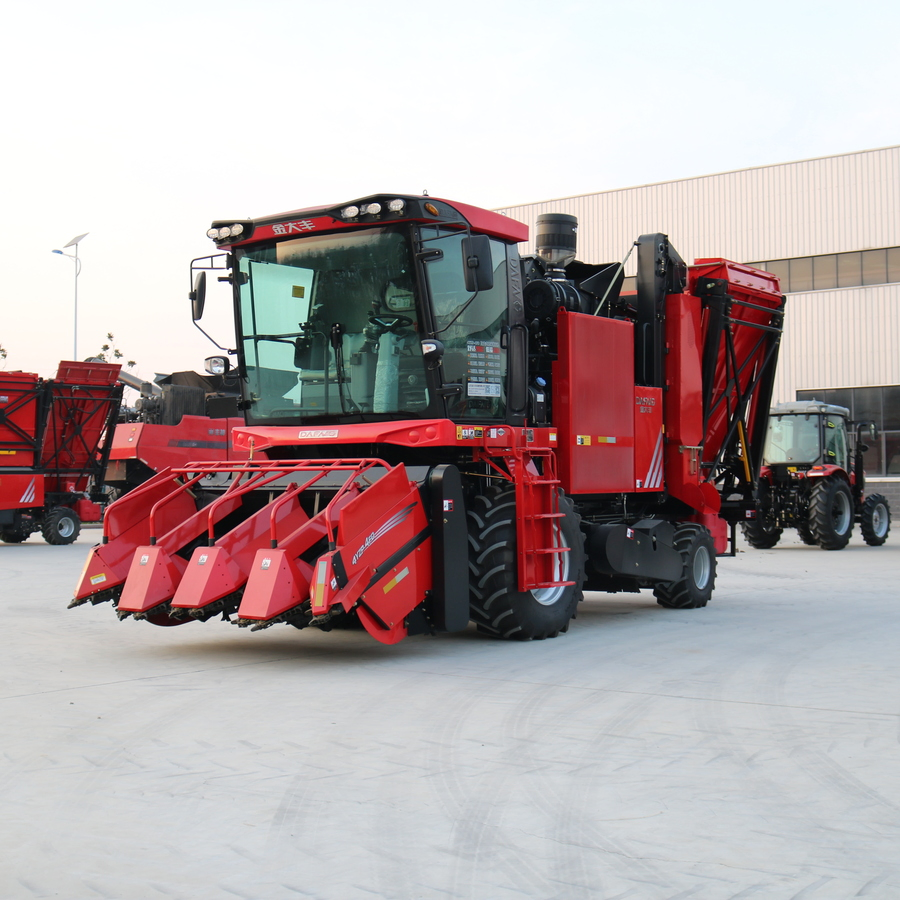
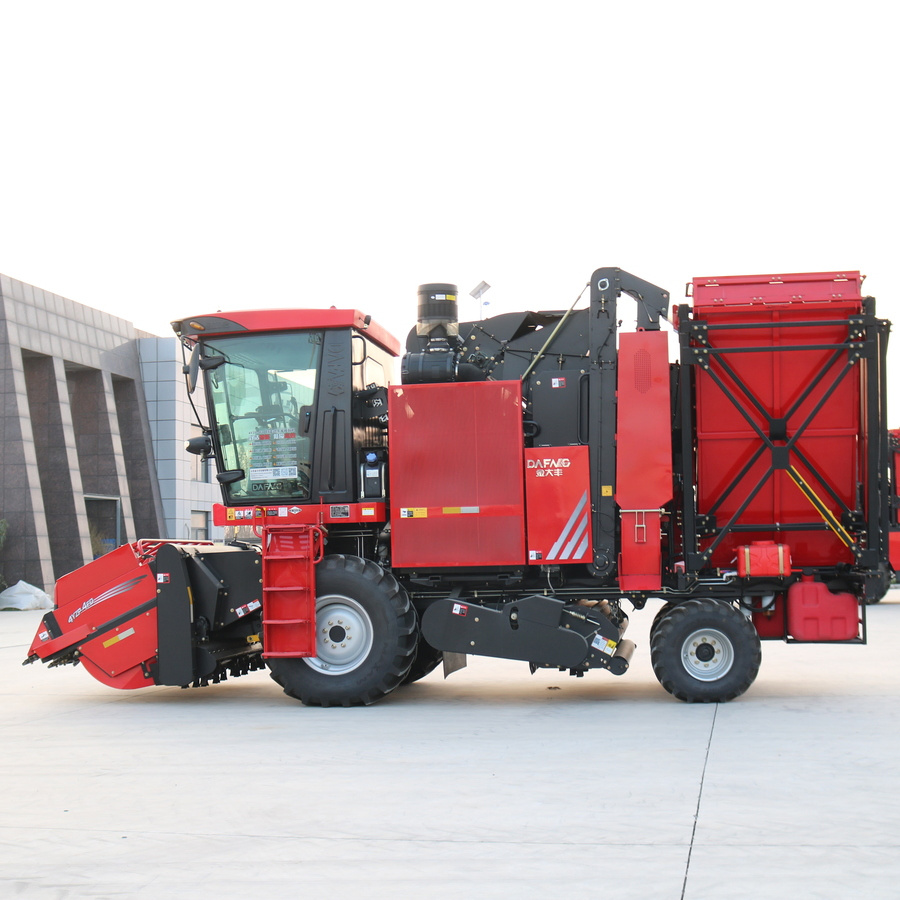
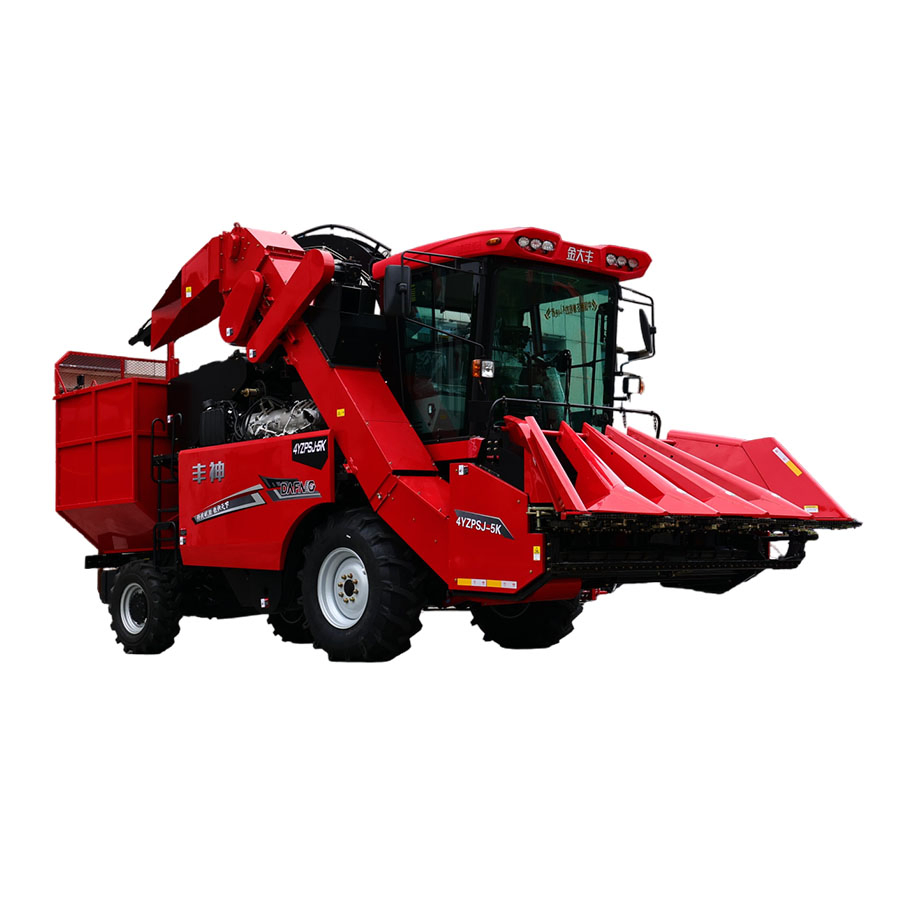
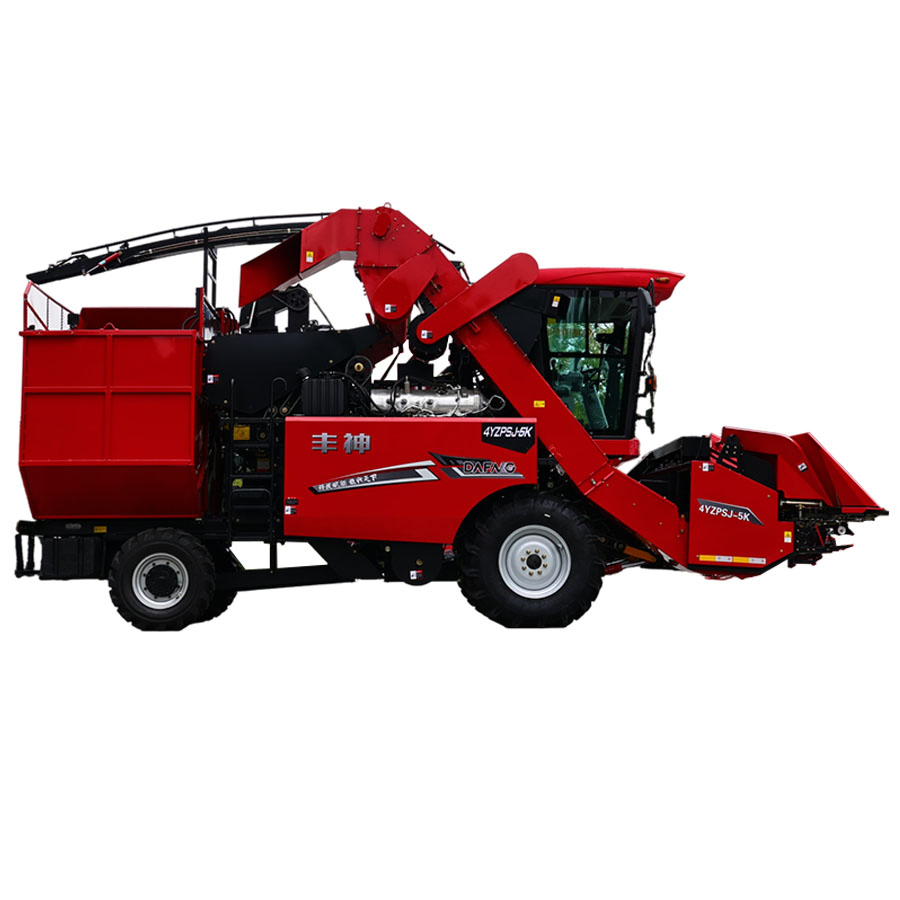
Corn harvesting requires a different working structure compared with wheat and rice. Corn harvesters often need row-specific headers, peeling systems, collecting functions, and straw crushing systems. If your market focuses on maize farming, you should select a machine designed for corn field conditions.
Mixed Grain Crops
In many export markets, buyers need one machine to handle several crops during different seasons. In this case, flexibility becomes critical. A multi-crop combine harvester can improve equipment utilization and help farmers get more value from one investment.
Step 2: Match Machine Power with Farm Size
Horsepower affects harvesting capacity, feeding ability, and working stability. However, horsepower must match real working needs. A small farm does not always need a high-power machine, while a large commercial farm cannot rely on a low-capacity harvester.
| Farm Size | Recommended Power Range | Typical Crops | Best Buyer Type |
|---|---|---|---|
| Small Farms | 90–120HP | Rice, wheat, small grain crops | Individual farmers, small cooperatives |
| Medium Farms | 150–220HP | Wheat, rice, soybean, mixed grains | Dealers, contractors, cooperatives |
| Large Farms | 240HP and above | Large grain fields, commercial crops | Large farms, agricultural projects |
This table provides a general reference. Buyers should still evaluate local crop yield, field shape, terrain, and daily productivity requirements before choosing a final model.
Step 3: Evaluate Cutting Width and Feeding Capacity
Cutting width determines how much crop the machine can cut in one pass. Wider cutting widths improve field coverage, especially in large open fields. However, a wider header also requires stronger engine power and stable feeding capacity.
Feeding capacity determines how smoothly crop material moves into the threshing system. If feeding is unstable, the machine may experience blockage, uneven threshing, or higher grain loss. Buyers should always compare cutting width together with feeding capacity rather than looking at cutting width alone.
For contractors and large farms, high feeding capacity is especially important because the machine often needs to work continuously for long hours during peak harvest periods.
Step 4: Check the Threshing and Cleaning System
The threshing system separates grain from crop material. The cleaning system removes chaff and impurities after threshing. These two systems directly affect grain quality and final harvest results.
Common threshing structures include axial flow, longitudinal axial flow, and drum-type designs. Each structure has advantages depending on crop type and field condition. For example, axial flow systems often provide smooth crop handling and good separation performance for grain crops.
A strong cleaning system helps deliver cleaner grain into the tank. This reduces post-harvest cleaning work and improves market value. Buyers should ask suppliers about grain loss rate, cleaning performance, and adjustment methods for different crops.
Step 5: Consider Grain Tank Capacity and Unloading Height
Grain tank capacity affects how long the combine harvester can work before unloading. A larger tank allows longer continuous operation and fewer interruptions. This becomes important in large fields where frequent unloading reduces productivity.
Unloading height also matters. A suitable unloading height allows the machine to transfer grain into trucks, trailers, or transport vehicles more efficiently. For export buyers, this detail is important because transport equipment may vary by region.
Dealers should highlight these details when presenting machines to customers because they directly affect real harvesting efficiency.
Step 6: Understand Field Conditions and Chassis Type
Field condition has a major impact on combine harvester performance. Dry and flat fields allow wheeled machines to operate efficiently. Wet, muddy, or soft fields may require tracked harvesters or machines with better flotation.
Buyers in Southeast Asia often care about paddy field performance, while buyers in South America and Europe may focus more on large field efficiency. African markets may need durable machines that can handle varied terrain and long-distance field movement.
Choosing the wrong chassis type can lead to slipping, soil damage, and reduced working speed. Therefore, buyers should always match chassis design with local field conditions.
Step 7: Focus on Maintenance and Spare Parts Supply
Harvest season leaves little room for machine downtime. If a combine harvester fails during peak operation, farmers may lose time, crop quality, and profit. This makes maintenance accessibility and spare parts supply extremely important.
A practical machine should allow easy inspection of belts, filters, chains, bearings, threshing parts, and cleaning components. Simple maintenance design helps operators solve common issues faster and reduce service pressure.
For overseas buyers, spare parts availability often matters as much as machine price. Dealers should work with manufacturers that can provide long-term parts support and technical documentation.
Step 8: Compare Price with Long-Term Value
Many buyers ask for the lowest price first. However, the cheapest combine harvester may not bring the best value. A low-cost machine with weak components, poor feeding performance, or limited parts support can create higher long-term costs.
Instead of judging only by initial price, buyers should compare total ownership cost. This includes fuel consumption, maintenance frequency, parts availability, working efficiency, grain loss, and machine lifespan.
A reliable combine harvester may cost more at the beginning, but it often brings better returns through stable performance and lower downtime.
Why Supplier Choice Matters
Choosing the right machine is only part of the decision. Choosing the right supplier is equally important. A professional supplier can recommend suitable models, support customization, provide export documentation, and ensure spare parts supply.
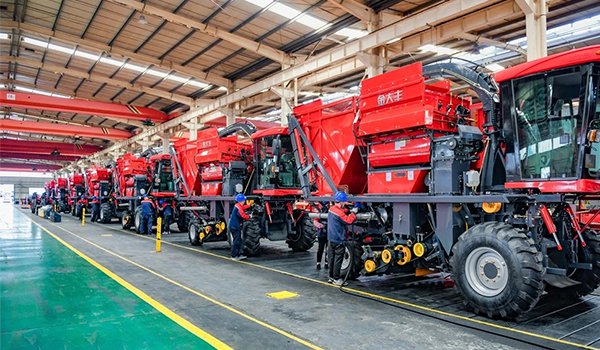
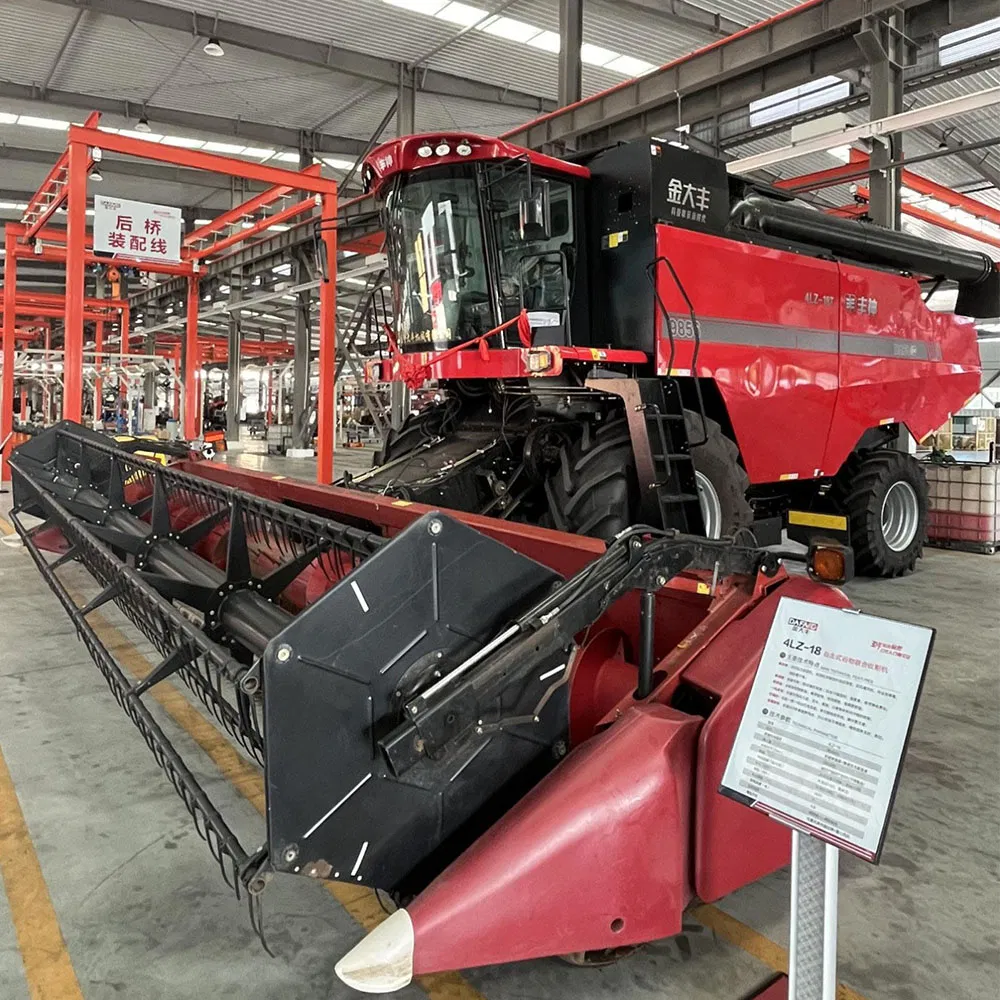
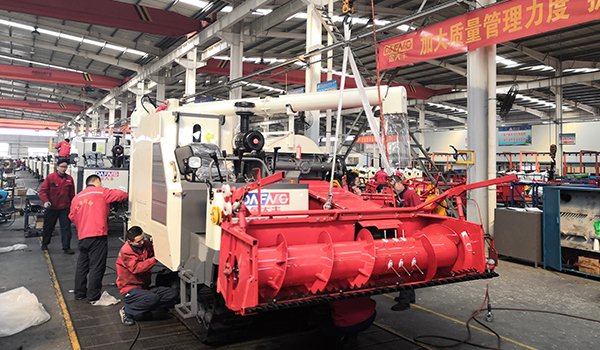
King-Gold Dafeng has over 35 years of agricultural machinery manufacturing experience and offers tractors, grain combine harvesters, corn harvesters, rice harvesters, grain drills, and crop-specific machinery. The company supports global buyers with factory-direct supply, stable production, and flexible OEM customization.
For dealers and importers, this means more than buying a machine. It means building a supply chain that can support long-term market development.
Recommended Combine Harvester Selection Checklist
Before placing an order, buyers can use the following checklist to evaluate whether a combine harvester matches their needs.
| Selection Item | What to Check | Why It Matters |
|---|---|---|
| Main Crop | Wheat, rice, corn, soybean, mixed grain | Determines header and threshing configuration |
| Field Condition | Dry field, wet paddy, soft soil, uneven terrain | Affects chassis and drive system choice |
| Power Range | 90HP, 150HP, 210HP, 240HP+ | Controls harvesting capacity and stability |
| Cutting Width | Small, medium, or wide header | Influences daily field coverage |
| Grain Tank | Tank volume and unloading height | Reduces unloading frequency and downtime |
| Supplier Support | Parts, manuals, customization, export service | Ensures long-term operation and cooperation |
How This Article Connects with Grain Combine Harvester Selection
If you are still learning about different machine types, you may first review a general guide about grain combine harvesters. That type of article explains how these machines work and why they matter in modern agriculture.
This article goes one step further by helping buyers make a purchasing decision. Together, these two topics create a complete selection path: first understand the machine category, then compare the right configuration for real field use.
Final Thoughts
Learning how to choose a combine harvester helps buyers avoid costly mistakes and select machines that truly fit their farming conditions. Crop type, horsepower, cutting width, feeding capacity, grain tank size, field condition, and supplier support all play important roles in the final decision.
For global buyers, the best choice is not always the largest or cheapest machine. The best choice is the machine that matches local crops, field conditions, and long-term business goals.
With strong manufacturing capability, export experience, and customization support, King-Gold Dafeng provides practical harvesting machinery solutions for farmers, dealers, and agricultural projects worldwide.